
Vandaag of morgen in huis

Kwaliteit gegarandeerd

Welkomstaanbiedingen ontgrendelen: GRATIS bezorging | Tot 80% korting | Gratis 30 dagen JoyPlus-proefperiode
Download de app
A solar light for outdoors seems simple: position it, charge it in the sun and enjoy light in the evening. In practice, some models can disappoint. A panel may not receive enough energy in a shaded spot, an IP44 outdoor light may be exposed to direct rain, and a motion sensor may not respond correctly at the desired distance.
With this buying guide, you can compare solar outdoor lighting based on the features that really make a difference in a Dutch garden, on a balcony or by an entrance.
Solar garden lighting only works well if the panel receives enough daylight during the day. Under a canopy, next to a tall fence or facing north, the battery may not charge fully. The stated lighting duration is therefore not a fixed guarantee for every situation.
When positioning the light, look for:
On a north-facing balcony, a model with an additional USB charging option may be more practical than one that relies solely on solar power.
An IP44 outdoor light is protected against splashing water and solid objects larger than 1 millimetre. This does not mean that the light is suitable for immersion, a direct jet of water or prolonged exposure to heavy rain without shelter.
You should therefore always assess any waterproof outdoor lighting claim alongside the complete IP rating. IP65, for example, offers greater protection against dust and water jets than IP44. Also check the installation instructions. Even a light with a higher IP rating can be installed incorrectly.
More LEDs do not automatically mean that a light will work better in the right location. For mood lighting on a table, 170 lumens is intended for a different purpose than 1,000 lumens at an entrance or driveway. The colour temperature also affects the experience:
First decide whether you need mood lighting, guidance lighting or functional lighting. A solar table lamp with 170 lumens is intended for a table, balcony or patio. A wall light with 500 lumens provides better visibility by a door. For a wide driveway or back garden, a powerful solar-powered LED outdoor light with multiple light heads may be more suitable.
Also consider how the light will be used. A lamp that switches on at full brightness only when it detects movement may place a different demand on the battery than one that stays on continuously throughout the evening.
An outdoor light with a motion sensor is useful by an entrance, garage or garden path. Check:
A wall light must be securely attached to a suitable surface. A ground spotlight or stake light, on the other hand, needs stable ground. Tilting can be an issue with freestanding models, particularly on a windy patio.
Solar outdoor lighting usually uses an integrated battery. The capacity, battery type and charging method all help determine how flexible the light is. According to the product specifications, the Brilliant Viani models can be charged both via solar power and USB-A. This is useful during dark or prolonged periods of cloudy weather.
Clean the solar panel regularly with a soft, dry or slightly damp cloth, in accordance with the instructions for use. Do not try to open an integrated LED light source or battery yourself if it is not stated to be replaceable.
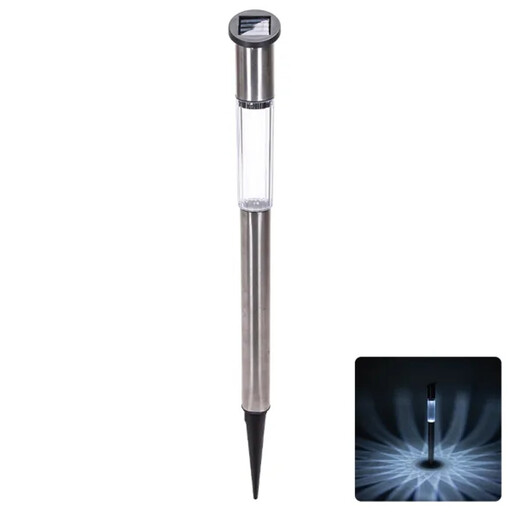
Why it suits this profile: A simple stake light for garden paths, borders and small areas where you do not want cables.
The product specifications state a charging time of 4–6 hours, a lighting duration of 8–12 hours and IP44 protection. However, position the light in a sunny spot and not in an area exposed to direct water jets.
Stainless steel, 6500 K, a polycrystalline solar panel and a height of 55 cm. Suitable for simple path lighting.

Why it suits this profile: For anyone looking for a sturdier solar wall light with a motion sensor for an entrance, façade or garage.
The light has two modes, a dusk sensor and a motion sensor. The IP44 rating means splash protection, not complete waterproofing.
1,000 lumens, warm white light at 3000 K, an integrated LED and installation without a connection to the mains.

Why it suits this profile: For large areas such as a driveway, back garden, garage area or patio where broad illumination is needed.
The stated IP65 rating provides more protection than IP44. Nevertheless, check the installation location and point the three light heads towards the desired area.
302 LEDs, a stated light output of 3,000 lumens, three modes, a detection angle of 180 degrees and wall mounting.
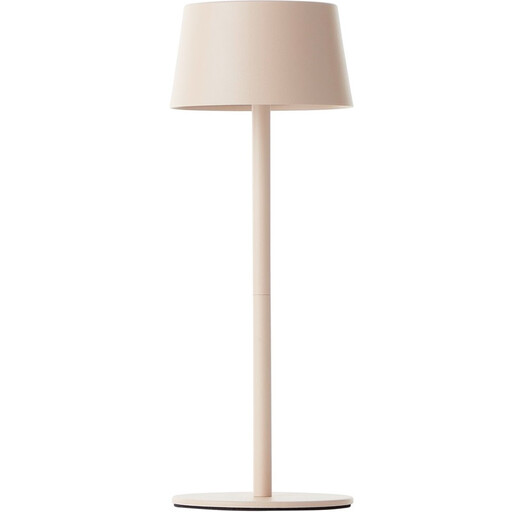
Why it suits this profile: A portable solar table lamp for an outdoor table, balcony or patio where you want to adjust the light level.
As well as solar power, USB-A charging is available. This makes you less dependent on a single sunny day. IP44 still only means splash protection; the light is not suitable for immersion.
170 lumens, 3000 K warm white light, three dimming levels and two height-adjustable mounting options.
We have put together a complete, up-to-date list of products that fully meet these strict selection criteria and the applicable European safety regulations.
Yes, a solar panel can also absorb energy from diffuse daylight. However, its output is usually lower than in direct sunlight. In winter and during longer periods of cloudy weather, the light may shine for less time or at a lower brightness. A location with as much daylight as possible and a clean panel will help maintain charging performance.
Lifespan varies depending on the model, frequency of use, temperature and battery. An integrated LED light source is often specified as having a long service life, but the battery is a separate component. Therefore, check whether the battery is replaceable and what guarantee or statutory conformity rights apply to the product.
During normal use, a solar light draws energy from the solar panel and built-in battery, so it does not need to be connected to the mains. However, there is an initial purchase cost, and the battery may need replacing over time. With models that support USB charging, you will also use electricity when manually recharging the battery.
