
Vandaag of morgen in huis

Kwaliteit gegarandeerd

Welkomstaanbiedingen ontgrendelen: GRATIS bezorging | Tot 80% korting | Gratis 30 dagen JoyPlus-proefperiode
Download de app
Solar-powered outdoor lighting sounds ideal: no cable clutter, no extra costs on your energy bill, and a sustainable choice for your garden, balcony, or driveway. In practice, the reality can be more challenging. Many people find that their new solar lights give off only a faint glow after a few weeks, or that they don't survive the first autumn storm.
Before you invest in new solar-powered garden lighting, it's wise to understand the potential pitfalls. Often, purchasing decisions are based on marketing promises that don't always hold up in a variable climate.
Fortunately, these problems can be avoided by paying attention to a few concrete specifications during your purchase.
To ensure your solar LED outdoor lighting is an asset and not a source of frustration, there are three technical features you should always check.
Don't be misled by wattage. The actual brightness of a lamp is expressed in Lumen (lm).
The Colour Temperature, expressed in Kelvin (K), determines the atmosphere.
In many climates, good protection against moisture is not a luxury but a necessity. The IP (Ingress Protection) rating indicates how well a lamp is protected. This rating consists of two digits. The second digit is the most important for outdoor lighting: it indicates the level of protection against water.
A good solar lamp has an efficient solar panel and a powerful battery. Lithium-Ion (Li-Ion) batteries are often a good choice due to their lifespan and performance. A crucial feature for a variable climate is a dual charging option. A model with an additional USB charging port offers a solution during a series of dark, cloudy days. This way, you're never left without light.
Based on these criteria, we have highlighted a few popular choices that suit different needs and situations.
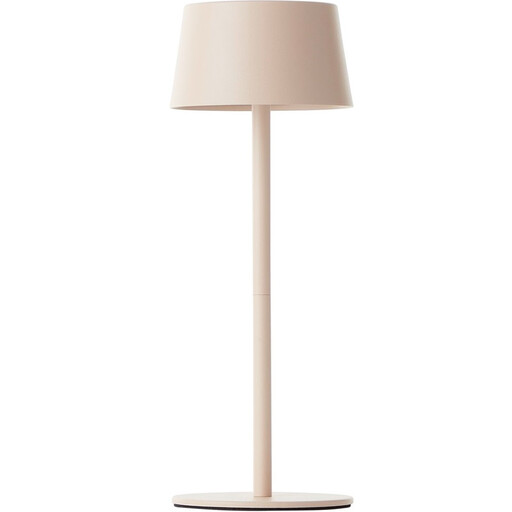
Why This Fits Their Persona: Perfect for those who want to create a cosy atmosphere on a terrace or balcony. This solar table lamp is wireless, stylish, and easy to move for drinks or a quiet reading moment.
The 3-step dimming function gives you control over the brightness. The IP44 rating protects against rain. Crucially, the USB charging function prevents the 'winter slump' by allowing charging when there's no sun.
Flexible use thanks to the dual charging option (solar & USB) and adjustable brightness. Its stylish, natural design fits well in many outdoor spaces.

Why This Fits Their Persona: Ideal for those who prioritise safety and visibility around their home. This solar wall light is designed to powerfully illuminate a driveway, back door, or dark corner as soon as motion is detected.
This lamp bypasses the 'brightness trap' with a powerful 1000 lumen light output. The built-in motion sensor ensures the battery doesn't drain unnecessarily, which counteracts the 'winter slump'. The IP44 rating guarantees reliability in the rain.
Very high light output for a solar lamp. The combination of a dusk sensor and a motion sensor ensures efficient energy use and a long battery life per charge.
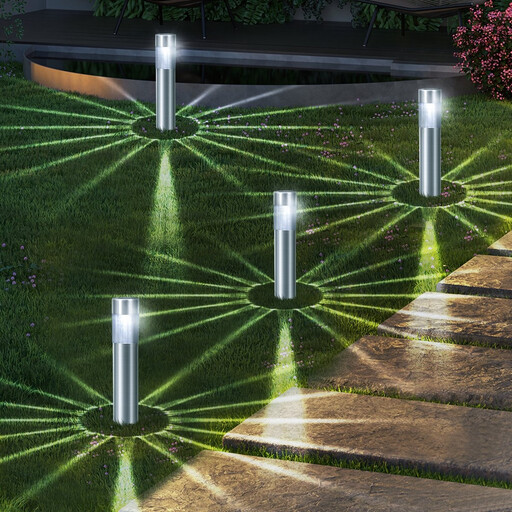
Why This Fits Their Persona: For those who want a simple and affordable way to mark a garden path, border, or driveway. No installation needed: just stick the lights into the ground, and they do their job.
This product is honest about its purpose: it's for orientation and ambiance, not a spotlight. The IP44 rating is sufficient for this application, and the automatic on/off function makes it a worry-free choice that doesn't waste power.
Extremely simple installation (stake light). The lights charge during the day and turn on automatically at dusk, making them very user-friendly for marking pathways.
We have compiled a complete, up-to-date list of products that fully meet these strict selection criteria and safety regulations.
The runtime in winter is shorter than in summer due to fewer daylight hours and lower solar intensity. Expect a significantly shorter duration. Models with an efficient solar panel, a good battery, and a motion sensor perform best because they only light up when needed. For guaranteed light, a model with a USB charging function is a wise choice.
Yes, solar panels also charge in indirect daylight, so they work on cloudy days as well. However, the yield is much lower than in direct sunlight. As a result, the light will not stay on for as long. For optimal results, it's important to place the solar panel in the sunniest spot you have, facing south.
The IP rating indicates how well the lamp's housing is protected against external elements like dust and water. For outdoor lighting, IP44 (splash-proof) is a good starting point, especially for lamps that are somewhat sheltered. For lights fully exposed to the elements, a higher rating like IP65 (dust-tight and protected against water jets) offers more security and a longer lifespan.
