
Vandaag of morgen in huis

Kwaliteit gegarandeerd

Welkomstaanbiedingen ontgrendelen: GRATIS bezorging | Tot 80% korting | Gratis 30 dagen JoyPlus-proefperiode
Download de app
Solar-powered outdoor lighting sounds ideal: no messy cables, no extra costs on your energy bill, and a sustainable choice. You place the light, the sun does the work, and in the evening, you enjoy a beautifully lit garden or balcony. But in reality, things can turn out differently. A light that only emits a faint glow after a few weeks or gives up after the first downpour is a common disappointment.
As a Product Recommendation Officer at Joybuy, I see a lot of products come and go. I'm here to help you see through the marketing jargon and focus on what really matters. Let's look at the three most common pitfalls to ensure your purchase is a success.
Many packages promise long operating times, even in cloudy weather. The reality is often more challenging. The effectiveness of solar lighting depends entirely on the quality of the solar panel and the capacity of the battery. A small, undersized panel simply can't collect enough energy on an overcast day to charge the battery, resulting in a light that goes out after just an hour.
The term "water-resistant" is often misleading. Many cheaper lights have an IP44 rating. This means they are splash-proof, which is fine for a light placed under an overhang. But if you place such a light in an unsheltered spot in the garden, a heavy downpour can often be fatal. For durable outdoor use, a higher protection rating is necessary.
An atmospheric product photo says nothing about the actual light output. Many people buy a solar lantern or spotlight expecting a brightly lit path, but end up with a dim glow. Paying attention to the lumen (lm) value is crucial to get what you're looking for: ambiance, orientation, or security.
To avoid a bad buy, you don't need to comb through a technical manual. Focus on these three concrete specifications.
Lumens are the measure of the amount of light a lamp emits. Tailor your choice to the purpose:
The IP rating indicates the degree of protection against dust and moisture. For outdoor lighting, these are the most important:
A good solar LED outdoor light has an efficient solar panel and a battery with sufficient capacity (measured in mAh). A large battery is useless if the panel is too small to charge it. Modern lights often use Li-Ion batteries, which generally offer a longer lifespan and better performance. Some models even have a USB charging port as a convenient backup for dark days.
Based on these criteria, we have selected a number of products that suit different needs and situations.
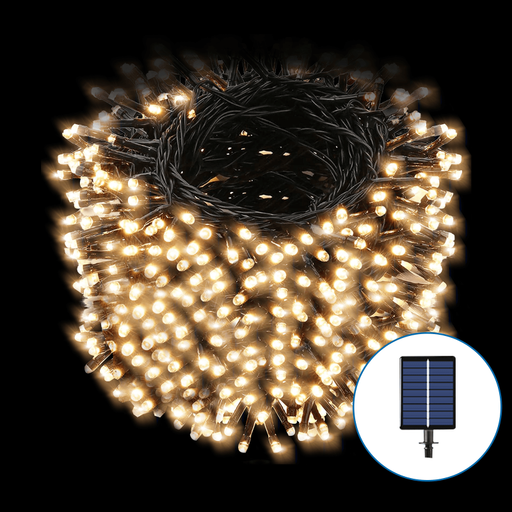
Why This Fits Their Persona: Ideal for those who want to quickly and affordably create a cozy atmosphere on their balcony, patio, or along a fence. The 10-meter long cable with 100 warm-white LEDs is perfect for decorative use.
With an IP65 rating, this string light is resistant to heavy rain, avoiding the 'IP rating illusion'. The 8 different light modes give you control over the atmosphere, from calm to festive.
Simple, tool-free installation. The manufacturer states an operating time of 8-12 hours after a full charging cycle of 4-6 hours.

Why This Fits Their Persona: This person isn't looking for ambiance, but function and security. The light is intended for the front door, back entrance, or by the shed, where good visibility is essential. The motion sensor provides light when it's needed.
This light tackles the 'weak light' pitfall with a powerful output of 1000 lumens. This isn't a subtle glow, but a serious beam of light that brightly illuminates the area as soon as the sensor detects motion.
Built-in motion and dusk-to-dawn sensor for automatic operation. Made from high-quality materials that are corrosion-resistant, according to Philips.
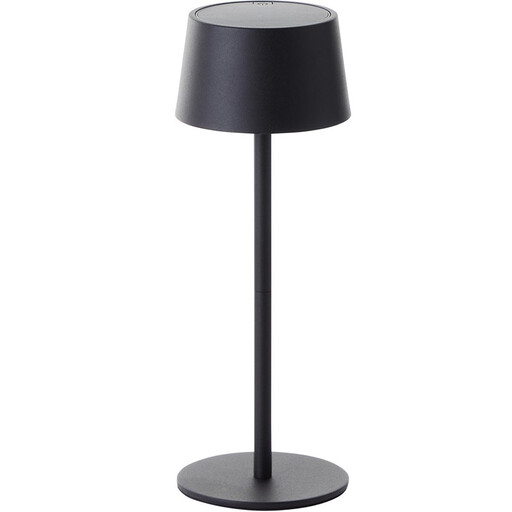
Why This Fits Their Persona: For those looking for a stylish, portable lamp. Perfect for the garden table during a dinner party, on the balcony, or even to take camping. Flexibility and design are the top priorities here.
This lamp bypasses the 'little sun' pitfall with a dual charging function: both via solar and USB. If it's been overcast for a week, you can simply charge it indoors for guaranteed light.
Dimmable in 3 steps to adjust the light intensity. The construction is adjustable to two different heights for extra design freedom.
We have compiled a complete, up-to-date list of products that meet these selection criteria and local regulations.
The lifespan depends on two components: the LED bulb and the battery. The LEDs themselves last a very long time, often 15,000 to 25,000 operating hours. The rechargeable battery is usually the component that wears out first. For most models, you can expect a lifespan of 2 to 4 years, depending on the quality and usage. After that, the battery can be replaced in some lights.
Yes, but with limitations. Solar panels also charge in daylight, not just direct sunlight. However, the output on a dark, overcast winter day is significantly lower. High-quality durable outdoor lighting with an efficient panel and a good battery will still function in the winter, but the operating time per night will be shorter than in the summer. Placement in the brightest possible spot is especially important in winter.
For optimal performance, place the solar panel in a location where it receives as much direct sunlight as possible throughout the day. A south-facing spot is ideal. Ensure the panel is not in the shade of trees, buildings, or other objects. Also, keep the panel's surface clean; a layer of dirt or dust can reduce its charging capacity.
