
Vandaag of morgen in huis

Kwaliteit gegarandeerd

Welkomstaanbiedingen ontgrendelen: GRATIS bezorging | Tot 80% korting | Gratis 30 dagen JoyPlus-proefperiode
Download de app
Solar-powered outdoor lighting sounds ideal: no fussing with cables, no extra costs on your energy bill, and a sustainable choice. In practice, the reality can be more challenging. Many people buy a light that fails after the first autumn storm or that barely produces any light during the winter months.
Before you make a purchase, it's wise to know where the pitfalls lie. Common problems include:
With the right knowledge, you can avoid a bad purchase. Below, you'll find which specifications truly matter.
You don't need to sift through a technical manual to make the right choice. Pay close attention to the following three points.
The IP rating (Ingress Protection) indicates how well a device is protected against water and dust. This is a crucial factor for the lifespan of your outdoor light.
The amount of light a lamp emits is expressed in lumens (lm). More lumens mean brighter light. But a bright light also consumes more energy. The battery's capacity is therefore just as important. A good solar light has an efficient solar panel and a battery large enough to power the light even after an overcast day.
Also, pay attention to the colour temperature, expressed in Kelvin (K):
Modern LED solar lights are often equipped with smart sensors for added convenience and efficiency.
To help you get started, we've highlighted a few popular choices that suit different needs.
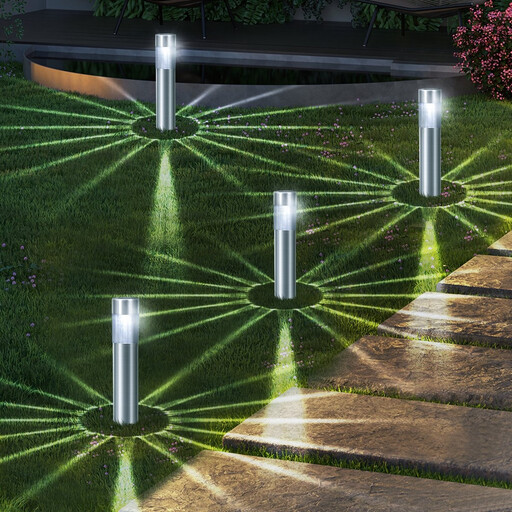
Why This Fits Their Persona: Ideal for those seeking subtle, decorative lighting along a garden path, border, or on the balcony. This stake light provides ambiance without overwhelming the surroundings with bright light. Perfect as wireless garden lighting for accents.
This light is designed for ambiance, not high light output. The battery is matched to the LED, ensuring a reliable runtime of 8-12 hours after a charging cycle.
Very simple installation with a ground stake. The IP44 rating makes it suitable for general outdoor use in the garden.
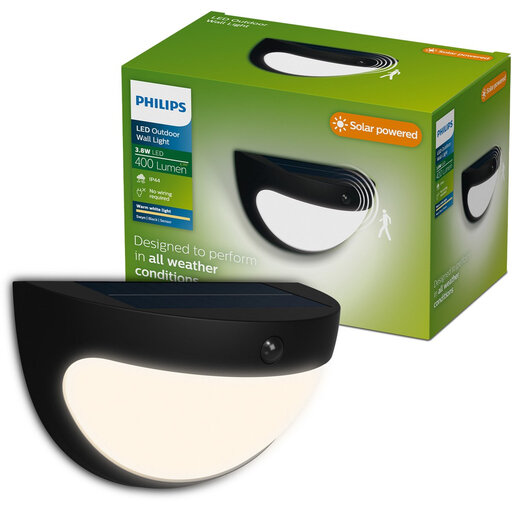
Why This Fits Their Persona: A reliable all-rounder for the front or back door. This wall light provides sufficient light (400 lm) for orientation and security, with the convenience of a motion sensor and a choice of two light modes.
With an IP44 rating and a housing made of UV-resistant plastic, this light is designed for durability in any weather. The two light modes help to optimise battery life.
A reliable outdoor light with a motion sensor from a well-known brand. The choice between 'Auto' and 'On' modes offers flexibility for different situations.
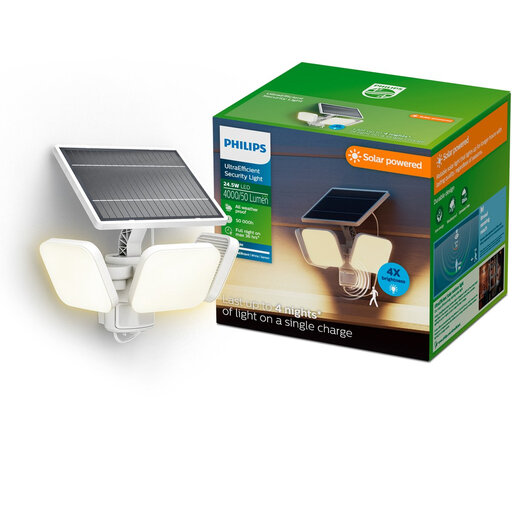
Why This Fits Their Persona: For those who put security first. This light is designed to fully illuminate a driveway, backyard, or dark corner. Its very high light output has a deterrent effect and ensures maximum visibility.
This light tackles the 'too little light' pitfall head-on with a massive output of 4000 lumens. The IP65 rating guarantees it can withstand the harshest weather conditions.
Extremely bright lighting for maximum security. According to Philips, the efficient battery can last up to 4 nights on a full charge, which enhances its reliability.
We have compiled a complete, up-to-date list of products that fully meet these strict selection criteria and local safety regulations.
The runtime in winter is shorter than in summer. There are fewer hours of sunlight, and the sun's intensity is lower. However, a quality solar light with an efficient panel and a good battery can still function well in winter, often for several hours per night. Lights with a motion sensor are especially efficient in winter because they only operate at full power when needed.
Direct sunlight is ideal for the fastest and most complete charge. However, most modern solar panels also charge in daylight, even on a cloudy day. The charging speed will be significantly lower, though. for optimal performance, it is recommended to place the light in a spot that receives several hours of direct or indirect sunlight daily.
Yes, that is one of its biggest advantages. Because no power cables are required, you don't need to dig trenches or hire an electrician. A wall light can typically be screwed to the wall with just a few screws. Stake lights are simply pushed into the ground. Installation is usually completed within minutes.
