
Vandaag of morgen in huis

Kwaliteit gegarandeerd

Welkomstaanbiedingen ontgrendelen: GRATIS bezorging | Tot 80% korting | Gratis 30 dagen JoyPlus-proefperiode
Download de app
Solar-powered outdoor lighting sounds ideal: no cable clutter, no extra electricity costs, and a sustainable choice for your garden, balcony, or driveway. In practice, the reality can be disappointing. Many people find their new solar garden lights dim after just a few hours or discover the fixtures are covered in rust after a single autumn season. This often happens because marketing claims don't reflect reality.
Before making a purchase, it's helpful to recognise the most common pitfalls:
By paying attention to a few technical specifications, you can easily avoid these disappointments and choose a product that truly fits your needs.
To ensure your solar-powered outdoor lighting works reliably, a few specifications are crucial. These details determine whether a lamp is suitable for ambiance, functionality, or security.
In climates with frequent rain, good weather resistance isn't a luxury; it's a necessity. The IP rating (Ingress Protection) indicates how well a lamp is protected against dust and moisture.
solar security light that is fully exposed to the elements.These two specifications are inextricably linked. Lumens (lm) measure the amount of light a lamp emits, while battery capacity (mAh) indicates how much energy the battery can store.
solar-powered string light or decorative spotlight often has a low lumen value. This is enough to create a cosy atmosphere but not to safely light a path.solar path light or a solar wall light with sensor by the door needs more brightness to provide good visibility.solar-powered LED outdoor light intended for security must have a powerful beam to fully illuminate a driveway or backyard when motion is detected.A high lumen value requires a powerful battery and an efficient solar panel to last through the night. Therefore, always check the combination: a lamp with 800 lumens but a battery of only 1200 mAh will be drained quickly after activating a few times.
Not everyone needs the same type of lighting. Below are a few popular choices, tailored to specific needs.
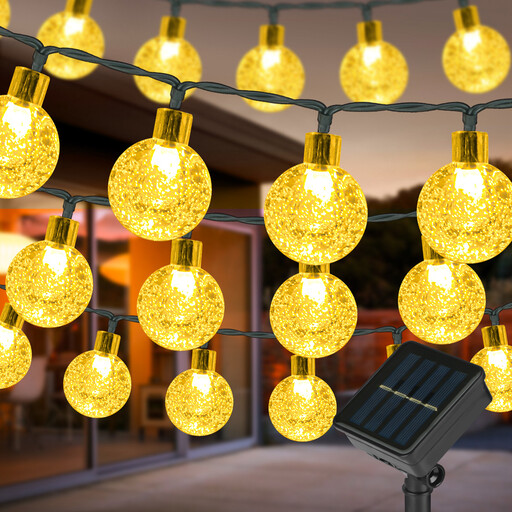
Why This Fits Their Persona: Ideal for anyone looking to add a cosy touch to a balcony, fence, or small city garden. This solar-powered string light provides a warm, atmospheric glow without needing to be bright or functional. Installation is simple: hang the string and place the small solar panel in the sun.
With an IP65 rating, this string light is resistant to the heaviest downpours, preventing the rust and moisture trap. The battery is designed for 8 to 14 hours of light, thus avoiding the "quickly drained" trap.
Offers 8 different light modes (from flashing to steady on) and automatically turns on at dusk.
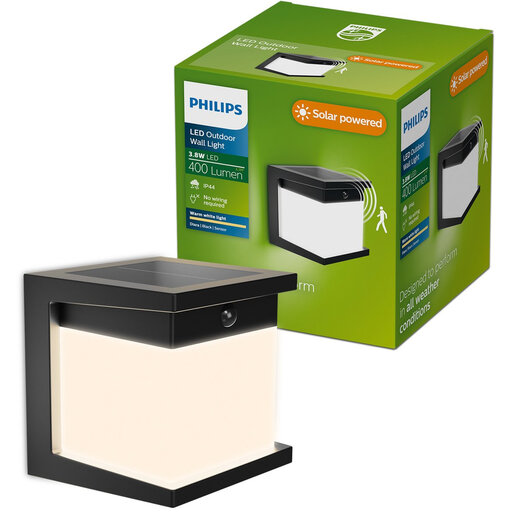
Why This Fits Their Persona: This solar wall light with a sensor is a reliable solution for those who need functional light at their front or back door. The warm white light is easy on the eyes, and the motion sensor ensures the lamp only turns on when needed, which saves energy.
The housing is made of high-quality, UV-resistant plastic with an IP44 rating, so it won't weather quickly. The combination of a well-known brand like Philips with a motion sensor ensures reliable performance.
Features two light modes ('Auto' and 'On') and a built-in motion sensor for added convenience and energy savings.
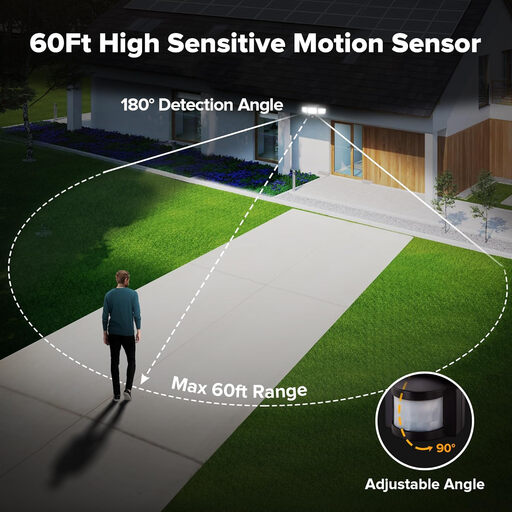
Why This Fits Their Persona: For those who want to secure a driveway, garage, or backyard, a powerful beam of light is essential. This set of two solar security lights delivers a very high light output of 3000 lumens per lamp, brightly illuminating a large area upon detecting motion.
Directly tackles the "dim light" trap with its high lumen value. The IP65 rating and robust ABS housing ensure the lights can withstand the harshest weather conditions, significantly extending their lifespan.
The three heads are adjustable for a wide 270° lighting angle. The motion sensor has a long range, and the set comes as a 2-pack, offering excellent value for money.
We have compiled a complete, up-to-date list of products that meet these selection criteria and comply with local regulations.
Winter performance depends on the quality of the solar panel and battery. In winter, the days are shorter and there is less direct sunlight, which reduces charging time. A high-quality lamp with an efficient panel will still function, but the operating time per night may be shorter than in the summer. Lights with a motion sensor are particularly efficient in winter, as they only consume energy when necessary.
Direct sunlight is preferred for optimal charging. However, most modern solar panels can also charge in daylight on an overcast day, albeit more slowly. Always place the solar panel in a location where it can receive the most hours of light throughout the day, free from shadows cast by trees, fences, or buildings.
The light colour is expressed in Kelvin (K).
