
Vandaag of morgen in huis

Kwaliteit gegarandeerd

Welkomstaanbiedingen ontgrendelen: GRATIS bezorging | Tot 80% korting | Gratis 30 dagen JoyPlus-proefperiode
Download de app
A solar-powered outdoor light with a sensor seems like the perfect solution: no cable clutter, lower energy bills, and automatic light right when you need it. Yet, the purchase often ends in disappointment. A light that fails after a few rain showers, a sensor that reacts to every passing bird, or a beam so weak you still can't see the garden path.
As a Joybuy Product Recommendation Officer, I'm here to help you make the right choices. We'll look past the marketing promises and focus on the specifications that truly matter. Here are the most common pitfalls and how to avoid them.
Before you choose a model, it's important to know where things often go wrong. Many lights look great at first glance but fail on crucial points.
To avoid a bad buy, focus on a few technical details. These will determine if a light is right for your situation.
The IP (Ingress Protection) rating indicates how well a device is protected against dust and water. It consists of two digits.
garden light with IP44 sensor.So, choose a light with an IP rating that matches the location where you plan to install it.
Don't be misled by wattage. The actual amount of light is measured in lumens (lm).
The colour temperature, measured in Kelvin (K), determines the atmosphere.
An LED outdoor wall light with motion sensor often provides a good balance between efficiency and light quality, contributing to sustainable lighting for patio and garden.
A good motion sensor has a detection angle of at least 120 degrees and a range of several metres. The battery capacity, measured in milliampere-hours (mAh), is crucial for the runtime. A higher mAh value generally means the light can stay on longer after a charging cycle.
Based on these criteria, we have selected a few products that suit different needs and situations.
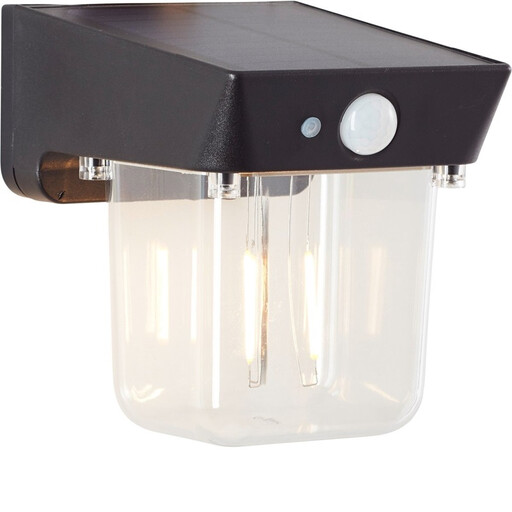
Why This Fits Their Persona: Perfect for those seeking a functional and affordable solution for a sheltered spot, like next to the shed door or on a balcony. No unnecessary frills, just a light that does its job.
Its IP44 rating is honest and suitable for its intended sheltered locations. The performance is aligned with the price, so you're not paying for specs you don't need.
Compact size and very simple installation. The warm white light colour (2700K) creates a pleasant atmosphere.
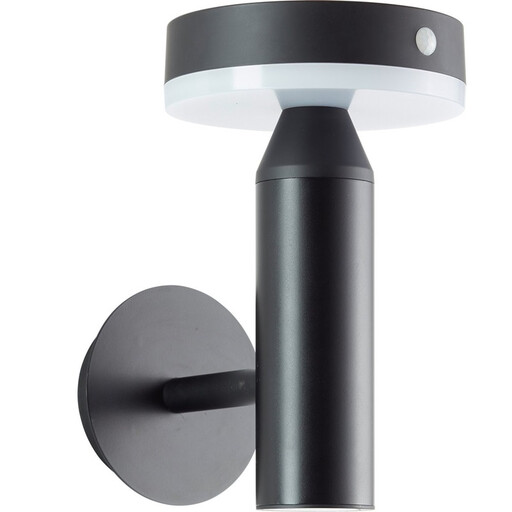
Why This Fits Their Persona: For homeowners looking for a reliable and stylish light for the front door or patio. This `black solar-powered outdoor light` combines a modern design with solid performance.
The combination of metal and plastic offers a robust construction. With 350 lumens, this light avoids the pitfall of being too dim, while the 120° sensor ensures reliable detection.
Good light output (350 lm) for functional visibility. Its IP44 rating makes it ideal for most sheltered exterior walls.
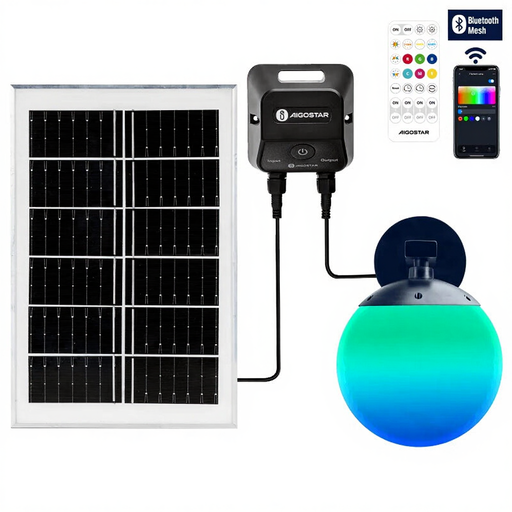
Why This Fits Their Persona: For those who want complete control over the atmosphere. Ideal for the tech enthusiast who wants to adjust the lighting for a dinner on the patio or simply for extra ambience.
This light bypasses the limitations of a standard sensor. Through the app, you have control over brightness, colour (RGBCCT), and schedules, so you're not dependent on a fixed setting.
Fully customisable lighting via Bluetooth Mesh. Choose from millions of colours and various shades of white, from warm to cool.
We have compiled a complete, up-to-date list of products that fully meet these strict selection criteria and local regulations.
Winter performance heavily depends on the quality of the solar panel and battery, as well as the amount of direct sunlight. A high-quality model with a good battery can charge enough for several hours of light, even on overcast days. Cheaper models will have a noticeably shorter runtime. Always place the light where the panel can catch as much sunlight as possible during the day.
No, that's one of the major advantages. Since no wiring to the mains is required, you can install these lights yourself. Most models come with screws and wall plugs. Just make sure you mount the light securely to the wall.
An IP44 rating means the light is protected against solid objects larger than 1 mm and against water splashes from all directions. This is sufficient for a light placed under an awning, in a porch, or on a covered balcony. For a location where it will be directly exposed to rain, a light with an IP65 rating is a safer choice.
