
Vandaag of morgen in huis

Kwaliteit gegarandeerd

Welkomstaanbiedingen ontgrendelen: GRATIS bezorging | Tot 80% korting | Gratis 30 dagen JoyPlus-proefperiode
Download de app
A solar-powered outdoor light with a sensor sounds like the perfect solution: no cable clutter, no higher energy bills, and automatic light whenever you need it. However, the reality is often more challenging. Many lamps don't survive the first rainy season or provide barely any light.
As a Product Recommendation Officer at Joybuy, I see daily which specifications truly make a difference. To help you make a long-lasting choice, we'll discuss the most common pitfalls and what you need to look out for.
Before you make a purchase, it's wise to know where things often go wrong. Many disappointments can be avoided by ignoring marketing claims and looking at the facts.
To bypass the pitfalls mentioned above, there are a few technical specifications you should always check. These determine whether a solar outdoor light is suitable for your situation.
The IP rating indicates how well a lamp is protected against dust and moisture. For outdoor lighting, this is a crucial factor.
Forget Watts; for LED outdoor lighting with a sensor, you should look at the number of lumens (lm). This figure indicates the actual amount of light the lamp produces.
A wireless outdoor light with a motion sensor is efficient, but combining it with a dusk-to-dawn sensor is often even more practical.
Based on these criteria, we have selected several models that suit different needs and situations.
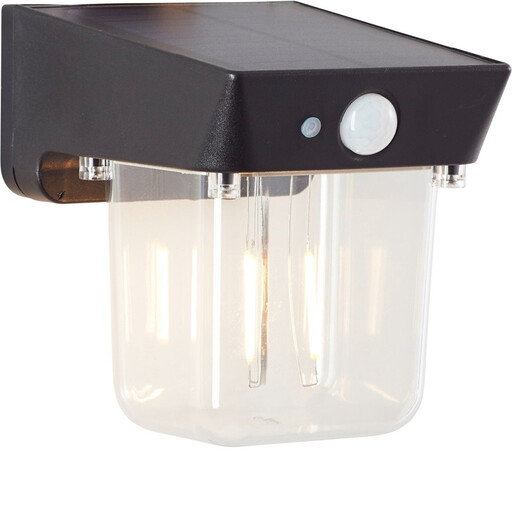
Why This Fits Their Persona: Looking for a simple, affordable solution to light up the back door or shed without any fuss? This compact model offers basic functionality with a motion sensor and warm white light.
The light output (180 lm) is modest but is honestly positioned for basic illumination, not for lighting up an entire yard. This way, you don't pay for unnecessary power and avoid the disappointment of a lamp that's too weak for a big job.
Simple installation and functionality at an accessible price. The IP44 rating makes it suitable for sheltered locations.
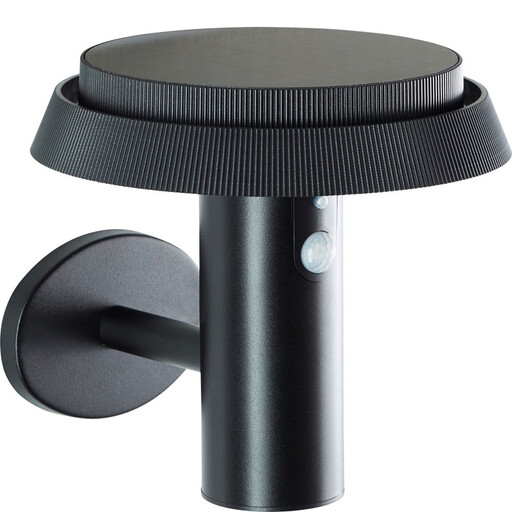
Why This Fits Their Persona: You want to combine functionality with a modern aesthetic. This black solar outdoor light is more than just a light source; it's a style statement for your facade or patio.
With 500 lumens, this lamp strikes a great balance between ambient and functional light. This prevents the disappointment of a purely decorative, weak lamp that adds little practical value.
Sleek, modern design combined with a useful light output. The warm white colour (3000K) creates an inviting atmosphere.
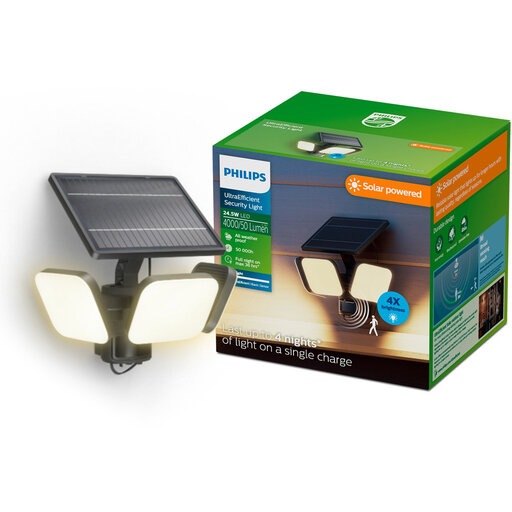
Why This Fits Their Persona: You want to deter unwanted visitors and powerfully illuminate your driveway or backyard. Certainty and visibility are your priorities, not subtle mood lighting.
This lamp directly tackles the pitfalls of weak batteries and low light output. With 4000 lumens and an efficient battery that Philips claims will last for several nights, this is a serious security light.
Extremely high light output (4000 lm) and a superior IP65 rating for maximum weather resistance. The sensor's detection range is also very wide.
We have compiled a complete, up-to-date list of products that fully meet these strict selection criteria and local regulations.
For optimal performance, a solar-powered outdoor light ideally needs 4 to 6 hours of direct sunlight per day. A south-facing placement is most effective. On cloudy days, the lamps still charge, but less efficiently. This is why a model with a good battery capacity is a wise choice for climates with variable weather.
A dusk-to-dawn sensor detects when it gets dark and automatically turns the lamp on, often in an energy-saving, dimmed mode. A motion sensor reacts to movement nearby and switches the lamp on (to full brightness). The combination of both provides continuous base lighting in the dark and extra light and security when needed.
In most modern solar-powered garden lights, the LED light source and the battery are integrated into the design. They are generally not intended to be replaced by the user. However, the lifespan of an integrated LED is often 20,000 hours or more, meaning the lamp will last for many years before the entire unit needs to be replaced.
