
Vandaag of morgen in huis

Kwaliteit gegarandeerd

Welkomstaanbiedingen ontgrendelen: GRATIS bezorging | Tot 80% korting | Gratis 30 dagen JoyPlus-proefperiode
Download de app
A solar-powered outdoor light with a motion sensor might seem like a simple purchase. You want light when you come home in the dark, or to deter unwanted guests. However, there are pitfalls that cause many lights to fail after a single harsh winter or create more annoyance than convenience. Before you make a choice, it's essential to know what to look for to avoid a purchase you'll regret.
Common marketing claims often conceal weaknesses. For instance, a light might promise impressive brightness, but if the battery and solar panel are subpar, it will be of little use during the darker months. Water resistance is also frequently overstated compared to its real-world performance.
Before you purchase a solar outdoor light with sensor, it's wise to look beyond the marketing hype. These three specifications determine whether a light is suitable for the UK climate and your specific needs.
The luminous flux, expressed in lumens (lm), indicates how bright a lamp shines. A higher number means more light. An outdoor security light often needs 800 lumens or more to properly illuminate a driveway, whereas 300-500 lumens is sufficient for ambient lighting on a patio.
The catch is the power supply. A high-lumen lamp that is constantly on will drain the battery quickly. Especially during a British winter with limited daylight hours, an efficient interplay between the solar panel, battery, and sensor is crucial. A good LED outdoor light with motion detector activates its full brightness only when needed and often includes a power-saving mode.
The British weather is unpredictable. An outdoor light must be able to withstand rain, hail, and moisture. The IP rating (Ingress Protection) indicates how well a device is protected. This rating consists of two digits:
For an outdoor wall light with sensor, an IP44 outdoor light is the absolute minimum. This means the light is splash-proof and can survive a rain shower. For lights that are completely exposed to the elements, a higher rating such as IP65 (dust-tight and protected against water jets) is a safer choice.
A good sensor is what makes an outdoor light truly smart and efficient. Pay attention to the following two types:
outdoor light with dusk-to-dawn sensor.Thanks to these technologies, a wireless outdoor light is not only easy to install but also economical to run.
Not everyone needs the same solar-powered garden lighting. Below are several options tailored to specific user profiles.

Why This Fits Their Persona: Ideal for those seeking a reliable and bright light for the driveway, shed, or back door. The focus is on functionality and security, without a complicated installation.
This light offers a great balance between a high light output (1000 lm) and an efficient solar panel. The IP44 rating is sufficient for most locations around the house.
Runs entirely on solar power, so there are no electricity costs. The combination of a motion and dusk-to-dawn sensor ensures efficient energy consumption.
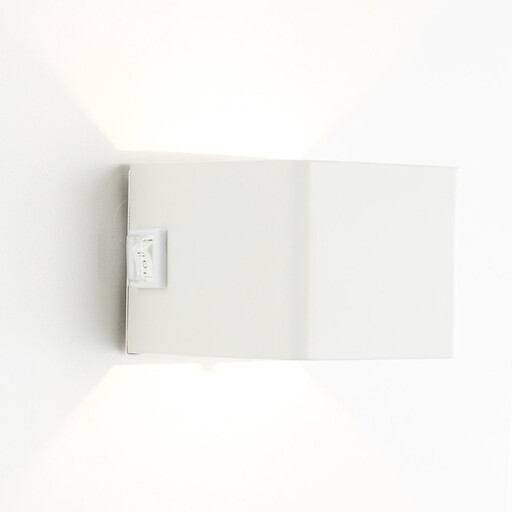
Why This Fits Their Persona: Perfect for those who want ambient light on a balcony, patio, or under a canopy, but don't want to drill holes. The light is easy to move and recharge.
Because this lamp is rechargeable via USB, you are not dependent on the sun. The IP44 rating makes it suitable for sheltered outdoor use, and its brightness (300 lm) is ideal for creating ambiance.
The magnetic mounting offers maximum flexibility. You can place the lamp on any metal surface or use the included mounting plate.
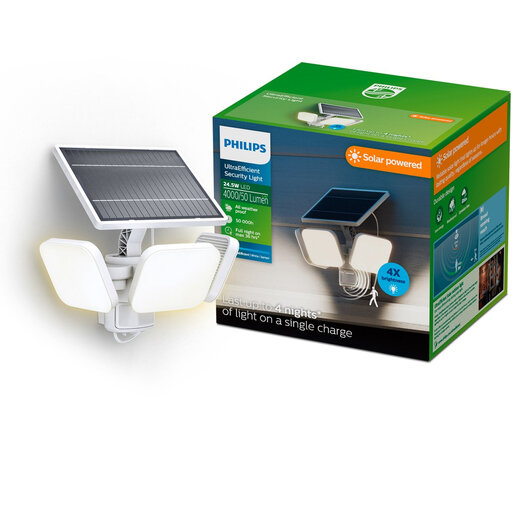
Why This Fits Their Persona: For those who need maximum visibility and a strong deterrent effect. Perfect for illuminating a large garden, a dark path alongside the house, or an unsecured corner.
The extremely high light output (4000 lm) is supported by an efficient solar panel and a large-capacity battery. The IP65 rating ensures the lamp can withstand the harshest weather conditions, even when fully exposed.
The very wide detection range (up to 16 metres sideways) covers a large area. The adjustable head allows you to direct the powerful light exactly where it's needed.
We have compiled a complete, up-to-date list of products that fully meet these strict selection criteria and UK safety regulations.
Yes, but performance can vary. Modern solar lights are designed to charge efficiently even with limited daylight. However, the runtime may be shorter in winter than in summer. A model with a quality motion sensor and a power-saving mode is therefore recommended, as the light will only use full power when absolutely necessary.
Installation is typically very straightforward. Since no wiring is involved, you just need to choose a suitable location with sufficient sunlight. Most models come with screws and wall plugs. You drill a few holes, screw the mount into place, and attach the light. Always read the included manual for specific instructions.
The colour temperature, expressed in Kelvin (K), determines the ambiance of the light.
security lights because it makes details more visible and has a stronger deterrent effect.