
Vandaag of morgen in huis

Kwaliteit gegarandeerd

Welkomstaanbiedingen ontgrendelen: GRATIS bezorging | Tot 80% korting | Gratis 30 dagen JoyPlus-proefperiode
Download de app
A solar-powered outdoor light with a motion sensor seems like the perfect solution: no cable clutter, no extra costs on your energy bill, and a safe, atmospheric garden. However, the reality can be disappointing. Many lights fail after just a few dark days or turn into a rusty, water-filled shell after a single season.
Before making a purchase, it's wise to understand the common pitfalls. Frequent problems include:
This guide will help you avoid these issues and choose a model that fits your specific needs.
To avoid buyer's remorse, it's crucial to look beyond marketing promises. Pay attention to the following objective specifications to assess the quality of wireless outdoor lighting.
For outdoor use, a minimum protection level is essential. Always check the IP rating. This value indicates how well a product is protected against dust and moisture.
The ambiance and functionality of your lighting are determined by its brightness (Lumen) and light colour (Kelvin).
The performance of a solar wall light is entirely dependent on the quality of its solar panel and internal battery. A larger, more efficient solar panel can capture more energy on a cloudy day. A battery with a higher capacity (expressed in mAh) can store that energy for longer, ensuring the light stays on all night. Products from reputable brands often specify these details more clearly.
Below are several popular choices, matched to different user profiles.
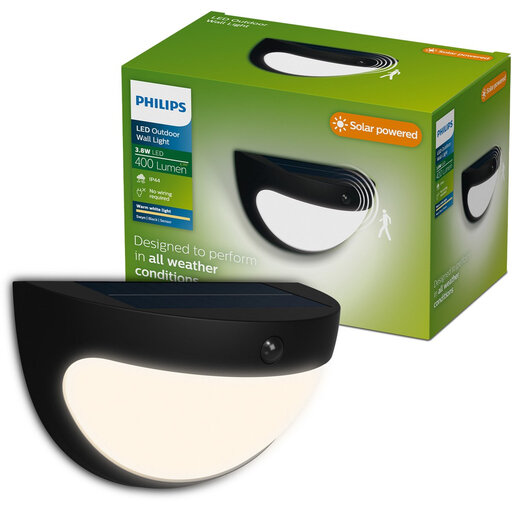
Why This Fits Their Persona: This user seeks a reliable and stylish solution that adds atmosphere to their garden or patio. The warm white light colour (2700K) of this Philips outdoor light creates a cosy ambiance for long summer evenings.
The anti-UV plastic housing is designed for long-term performance, preventing the rapid degradation seen in cheaper models. Its efficient energy conversion ensures a longer runtime per battery charge.
Two light modes ('Auto' and 'On') for flexible use. The integrated wall light with sensor provides automatic light upon motion and at dusk.
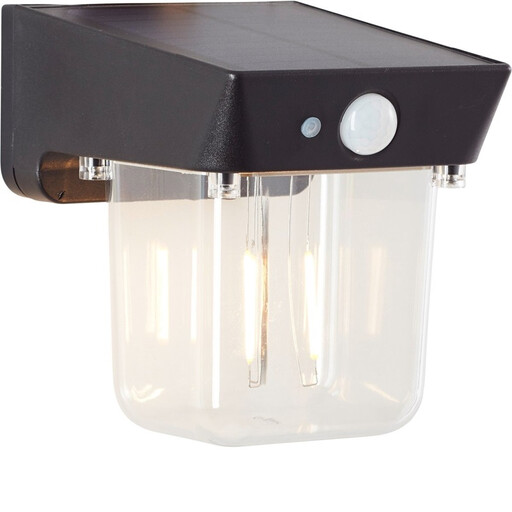
Why This Fits Their Persona: This user wants a functional, no-nonsense light that offers security and efficiency without unnecessary frills. The sleek design is purely performance-oriented: light when you need it.
The motion sensor offers multiple modes, allowing you to adjust the sensitivity to your specific situation. This prevents the frustration of a sensor that is too sensitive or too slow.
The light is IP44 weather-resistant and uses modern, highly energy-efficient LED technology. The warm white light colour (2700K) combines functionality with a pleasant atmosphere.
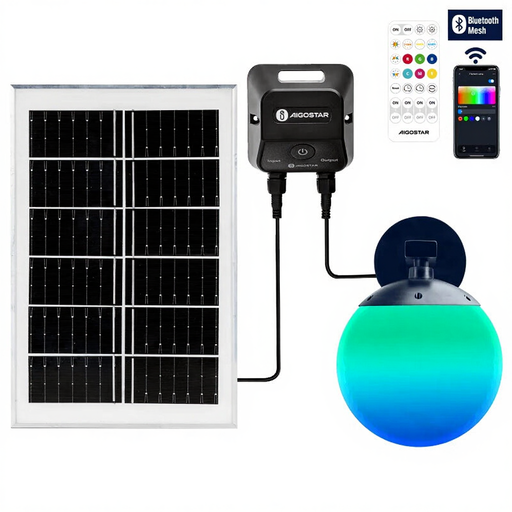
Why This Fits Their Persona: For those who want complete control over their lighting. This smart light uses Bluetooth mesh to let you set colours, brightness, and scenes, all from a smartphone.
The 'dumb' sensor gets smart. The app allows you to fully personalise the light's behaviour, so you're not locked into factory settings that don't suit your environment.
Full colour control (RGBCCT) from warm white to coloured light. The up-and-down lighting effects offer unique decorative possibilities. Simple, wire-free installation.
We have compiled a complete, up-to-date list of products that fully meet these strict selection criteria and local regulations.
1. Does a solar-powered outdoor light work in the winter? Yes, but performance depends on quality. A model with an efficient solar panel and a high-capacity battery can store enough energy on shorter, cloudy days to function at night. Place the light where it can catch the most direct sunlight during the day, even in winter.
2. What is the average lifespan of a solar-powered outdoor light? The lifespan is primarily determined by the battery and the LED. A good LED can last for 25,000 to 50,000 operating hours. The rechargeable battery is often the first component to wear out, typically after 2 to 4 years, depending on quality and usage. The housing itself can last much longer if it's made from durable, UV-resistant material.
3. Do I need an electrician to install wireless outdoor lighting? No, that's one of the major advantages. Because these lights run entirely on solar power, no wiring to the mains is required. Installation usually involves drilling a few holes and screwing the light into the desired location. You can easily do this yourself.
