
Vandaag of morgen in huis

Kwaliteit gegarandeerd

Welkomstaanbiedingen ontgrendelen: GRATIS bezorging | Tot 80% korting | Gratis 30 dagen JoyPlus-proefperiode
Download de app
A solar-powered outdoor light with a motion sensor seems like the perfect solution: no cable clutter, zero extra energy costs, and automatic light exactly when you need it. Yet, many of these lights become a disappointment after just a few months. They provide insufficient light, fail after the first serious storm, or the sensor malfunctions.
As a Product Recommendation Officer at Joybuy, I see where things often go wrong. Before making a purchase, it's crucial to look beyond the marketing claims. These are the most common pitfalls:
To prevent these issues, it's crucial to pay attention to a few key specifications.
A quality solar-powered outdoor light with motion sensor is more than just a bulb attached to a solar panel. Its performance hinges on a few technical details that mean the difference between a useful outdoor security light and a waste of money.
Light output is measured in lumens (lm). This number indicates how much light the lamp actually produces. Don't be misled by a low number; the application determines what you need.
The colour temperature, expressed in Kelvin (K), sets the mood.
facade light with sensor that serves as security.The IP rating indicates how well a light is protected against dust and water. For outdoor lighting with a sensor, this is a critical point.
A wireless outdoor light powered by solar energy is only as good as its battery and solar panel. The battery's capacity (expressed in mAh) determines how long the light can operate without sunlight. A high-quality solar panel charges the battery more efficiently, even on cloudy days. Brands like Philips and Brilliant often specify expected performance, such as the number of nights a light can run on a full charge.
Based on these objective criteria, we've selected several products that cater to different user profiles.
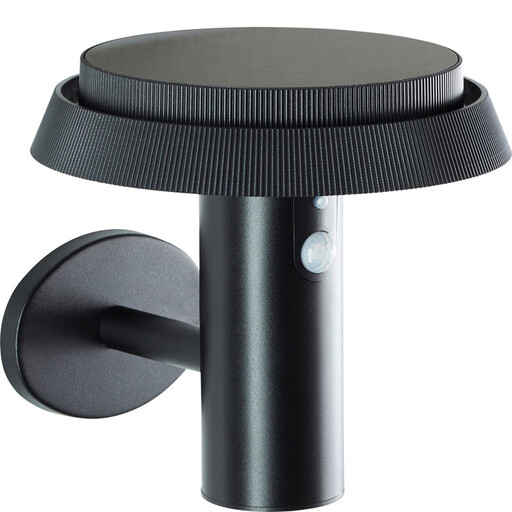
Why This Fits Their Persona: For those seeking a reliable and stylish light for the front door or garden path without the hassle. This light offers a great balance between functional light (500 lm) and a warm ambiance (3000K).
With 500 lumens, this light provides genuinely functional light, unlike many weaker models. The IP44 rating ensures it can withstand typical rain showers.
Integrated solar cell and motion sensor for fully automatic operation. Made of metal and plastic for a durable construction.
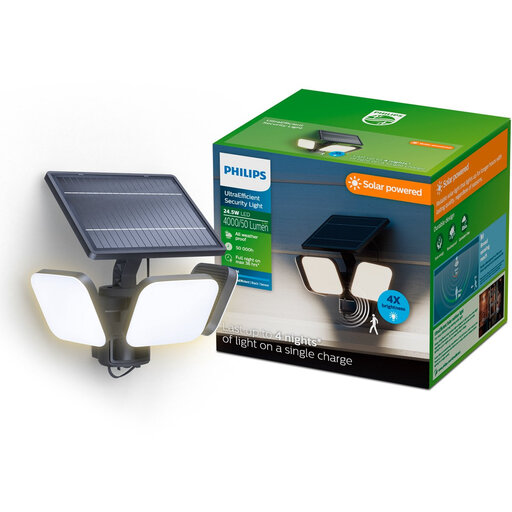
Why This Fits Their Persona: Perfect for illuminating a driveway, backyard, or dark corners around the house. The focus here is purely on visibility and a sense of security.
Where many lights fail on brightness, this model delivers a very high light output of 4000 lumens. The IP65 rating means it's dust-tight and can even withstand water jets, far exceeding the standard.
Very high light output for maximum visibility. According to Philips, the battery can last up to 4 nights on a single full charge, indicating an efficient system.
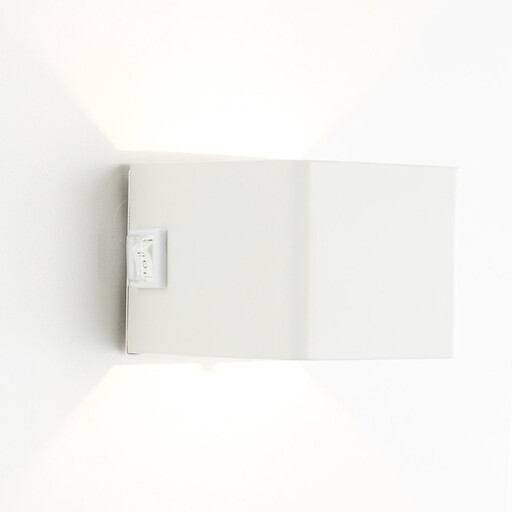
Why This Fits Their Persona: Ideal for those who need lighting in various places: by the shed, on the balcony, or even temporarily indoors in a hallway. No fixed installation or sunlight required at the mounting location.
This light bypasses the problem of needing a fixed, sunny location. Because it's rechargeable via USB, you aren't dependent on the sun. The magnetic mount eliminates the hassle of drilling.
Wireless and rechargeable for maximum flexibility. The magnetic mount allows for easy placement and repositioning without tools.
We have compiled a complete, up-to-date list of products that fully meet these strict selection criteria.
Ideally, a solar wall light needs at least 6 to 8 hours of direct sunlight per day to fully charge the battery. Therefore, place the light in a south-facing location that is free from shadows from trees or buildings. High-quality panels also perform better on cloudy days, but the charging time will be longer.
The LED outdoor light with motion detector itself has a very long lifespan; manufacturers often state 20,000 to 50,000 operating hours. The limiting factor is usually the rechargeable battery. The lifespan of a lithium-ion battery in an outdoor light is typically 2 to 4 years, depending on its quality and usage.
In most budget-friendly models, the battery is built-in and not designed to be replaced. With some more expensive or sustainably designed lights, it is possible to replace the battery. Check the product description or the manufacturer's manual to see if the battery is replaceable. This can significantly extend the lifespan of your garden light with sensor.
