
Vandaag of morgen in huis

Kwaliteit gegarandeerd

Welkomstaanbiedingen ontgrendelen: GRATIS bezorging | Tot 80% korting | Gratis 30 dagen JoyPlus-proefperiode
Download de app
A solar-powered outdoor light with a motion sensor seems like the perfect solution: no cable clutter, no extra costs on your energy bill, and light exactly when you need it. Yet, the search often leads to frustration. Lights that fail after a few rain showers, sensors that have a mind of their own, or a glow that barely illuminates the doormat.
As a Product Recommendation Officer at Joybuy, I see where things go wrong every day. Before you make a choice, it's wise to understand the three most common pitfalls that lead to a disappointing purchase.
To choose a durable outdoor light that delivers on its promises, you don't need to comb through a technical manual. Just focus on the following three key points.
Lumen indicates the amount of light. But the question isn't just how bright, but also for how long. A good balance is crucial.
Always check if the manufacturer provides information about the battery (often in mAh). A higher capacity means a longer runtime, which is especially important for a led solar outdoor light during the darker months.
The IP (Ingress Protection) rating indicates how well a device is protected against dust and moisture. This isn't marketing; it's a standardised measurement.
solar wall light outdoor that is directly exposed to the elements.A good solar outdoor light with sensor is more than just a motion detector. Pay attention to the following features:
garden light with a dusk-to-dawn sensor automatically knows when it's getting dark and activates its standby mode. This prevents the lamp from turning on unnecessarily during the day.Based on these criteria, we have highlighted several popular choices that suit different needs and situations.
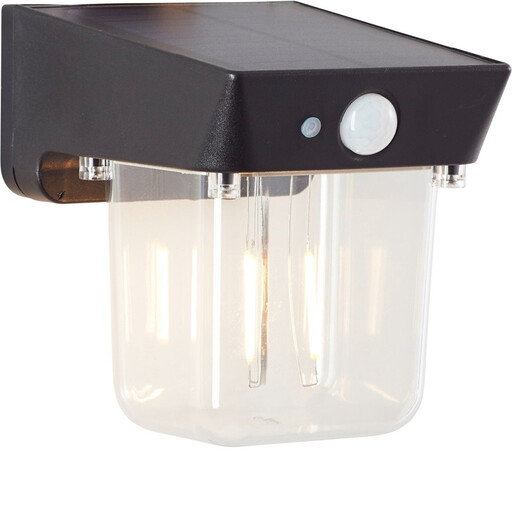
Why This Fits Their Persona: Ideal for those seeking a reliable, no-nonsense solution for the front door, shed, or patio area. This compact wall light is easy to install and provides functional light without a major investment.
This lamp avoids the lumen lie with a realistic output of 180 lumens, appropriate for its size. The IP44 rating is honestly positioned for sheltered spots, sidestepping the "weatherproof" myth.
Emits a warm white light (2700K) for a pleasant atmosphere. The combination of a motion sensor and multiple modes offers flexibility.

Why This Fits Their Persona: For those who want to powerfully illuminate a driveway, garden path, or dark corner. This `outdoor security light` is designed for maximum visibility and deterrence, with a focus on performance and durability.
The IP65 rating guarantees that the lamp can withstand the harshest weather conditions. According to Philips, the sensor has a wide detection range (up to 16 meters laterally), tackling the unreliable sensor pitfall.
Very high light output of 4000 lumens for maximum brightness. The adjustable head allows you to aim the light exactly where it's needed.
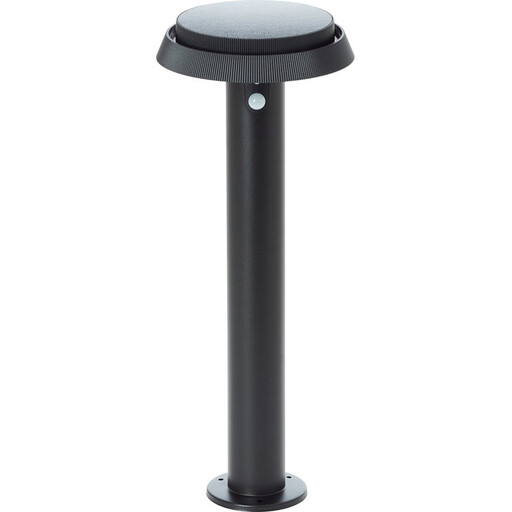
Why This Fits Their Persona: Perfect for those looking for `solar garden lighting` that is both functional and atmospheric. This freestanding lamp is ideal for along a garden path, in a flower bed, or near a seating area where a wall light isn't an option.
With three adjustable modes, this lamp offers the flexibility that many standard sensors lack. The light output of 500 lumens is a good middle ground between ambiance and function, without making unrealistic promises.
The freestanding design (50 cm high) provides illumination at a different height than a wall light. Made of metal and plastic for sturdy placement in the garden.
We have compiled a complete, up-to-date list of products that fully meet these strict selection criteria and UK safety regulations.
For optimal performance, the solar panel needs at least 6 to 8 hours of direct sunlight per day. Therefore, place the lamp in a spot that is not mostly in the shade during the day, ideally facing south. A cloudy day will still generate power, but less efficiently.
Yes, but their performance may be reduced. The days are shorter and the sun is less powerful, which means the battery doesn't charge as fully. A wireless outdoor light with sensor that only turns on with motion will last longer in winter than a lamp that stays on dimly all night. For the winter months, choose a model with an efficient panel and a high-capacity battery.
The LED bulb itself has a very long lifespan, often 25,000 hours or more. The limiting factor is usually the rechargeable battery. It typically lasts 2 to 4 years, depending on its quality and usage. On some models, the battery is replaceable, which significantly extends the lifespan of the entire unit.
