
Vandaag of morgen in huis

Kwaliteit gegarandeerd

Welkomstaanbiedingen ontgrendelen: GRATIS bezorging | Tot 80% korting | Gratis 30 dagen JoyPlus-proefperiode
Download de app
Solar lighting is a perfect solution for many gardens, balconies, and patios. No messy cables, no extra energy costs, and simple installation. However, not all solar lights are created equal. Many models won't survive the first autumn storm or will emit only a weak glow after just a few weeks. Before you invest in ambience or security, it's crucial to know what to look for.
As a Joybuy Product Recommendation Officer, I see a lot of products. I'm here to help you see through the marketing jargon and avoid the common pitfalls that often lead to disappointment.
To avoid a purchase you'll regret, it's wise to check three technical specifications. This will help you objectively assess the quality of solar-powered garden lighting.
IP Rating (Water Resistance): This number indicates how well a light is protected against dust and water.
Battery Capacity (mAh) and Solar Panel: The battery stores the solar energy. A higher mAh (milliampere-hour) number simply means the battery can store more energy, allowing the light to stay on longer. Also, pay attention to the type of solar panel. Polysilicon panels generally perform better in cloudy weather than older amorphous panels.
Light Output (Lumen) and Colour Temperature (Kelvin):
Not everyone has the same needs. That's why we've highlighted a few popular choices that suit different situations, based on their specifications.
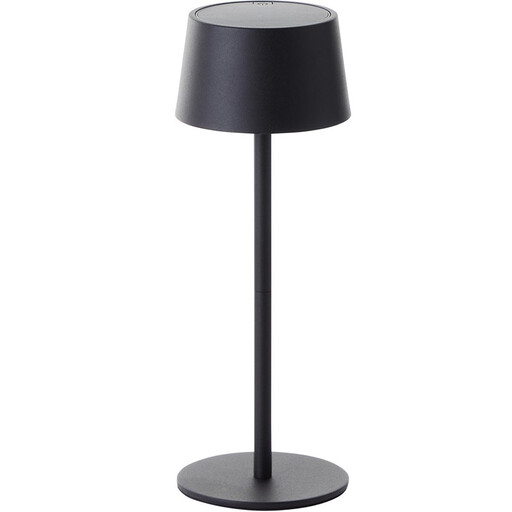
Why This Fits Their Persona: Perfect for those looking for a stylish, portable lamp for the garden table or balcony. The combination of inviting warm light (3000K) and a modern design makes it a flexible choice for cosy evenings.
It bypasses the unrealistic runtime pitfall. In addition to solar charging, this lamp can also be charged via USB. This guarantees you'll have light even after a series of dark days.
The lamp is dimmable in 3 steps and made of metal, which is sturdier than standard plastic. The IP44 rating makes it suitable for sheltered outdoor use.

Why This Fits Their Persona: Ideal for those seeking a reliable and functional *solar wall light with a sensor* for the front or back door. The focus here is on security and convenience, not just ambience.
This lamp is made from high-quality materials, as you would expect from a brand like Philips. This avoids the pitfall of cheap, brittle plastic that weathers quickly.
The built-in motion and dusk-to-dawn sensors ensure efficient energy use. The lamp provides a very bright light of 1000 lumens when needed, which enhances security.
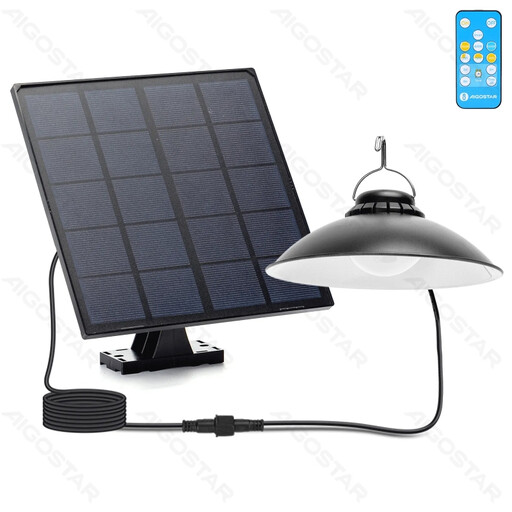
Why This Fits Their Persona: For those who need light in a spot where the sun doesn't shine directly, such as under a veranda, in a garden shed, or a party tent. The lamp and the solar panel can be placed separately.
This lamp solves the problem of poor placement. You can place the solar panel in direct sunlight while the lamp itself hangs in the shade. Furthermore, its IP65 rating means it is highly resistant to rain.
The 3-metre cable offers maximum flexibility. You can also adjust the colour temperature (warm, neutral, or cool white), and the battery has a substantial capacity of 5000mAh for a long runtime.
Whether you're looking for a subtle *solar string light* or powerful *outdoor solar lamps*, there are more models that meet these criteria.
Yes, solar panels do charge in cloudy weather, but the energy yield is significantly lower than on a sunny day. This means the lights will not stay on as long in the evening. A model with an efficient solar panel and a large battery will perform better on darker days.
The runtime in winter is shorter due to the combination of fewer daylight hours and lower solar intensity. Expect a significantly shorter runtime than what the manufacturer states. Lights with a large battery capacity (mAh) and an energy-saving mode (like a motion sensor) are the most practical in winter.
For lights with an IP65 rating or higher, it's not strictly necessary. They are built to withstand the weather. For models with a lower IP rating (like IP44) or if you want to maximise the battery's lifespan, it may be wise to store them in a dry, frost-free place during the harshest winter months.
