
Vandaag of morgen in huis

Kwaliteit gegarandeerd

Welkomstaanbiedingen ontgrendelen: GRATIS bezorging | Tot 80% korting | Gratis 30 dagen JoyPlus-proefperiode
Download de app
Solar garden lighting seems like the perfect solution: no messy cables, no extra electricity costs, and an atmospheric garden. Yet, many people end up with lights that fail after a few months or barely provide any light. The marketing makes grand promises, but demanding weather conditions set a high bar. As a Joybuy Product Recommendation Officer, I'll help you make the right choices based on the specifications that truly matter.
Before you invest in new solar-powered outdoor lighting, it's crucial to recognise three common pitfalls:
outdoor solar lights are intended for ambient lighting and only emit a faint glow. If you want to functionally illuminate a garden path, driveway, or dark corner, this is inadequate and even unsafe. The light output, expressed in lumens, is often not clearly stated, leading you to buy a lamp that fails its purpose.To avoid a bad purchase, focus on a few technical details. These determine whether your solar-powered garden lighting will be a long-lasting investment or a short-lived disappointment.
IP Rating (Water Resistance): This is a crucial factor for longevity in our climate.
solar spike lights in a border or an unsheltered wall light.Light Output (Lumen) and Colour Temperature (Kelvin): These two values determine the function and atmosphere of your lighting.
solar wall light with a sensor can even peak at 400 lumens or more when motion is detected.Material and Battery: The quality of the housing and energy storage determines durability.
Stainless steel solar garden lights and high-grade plastic (ABS) are more resistant to weather influences than cheap plastic, which can become brittle from UV exposure after one season.Not every light is suitable for every situation. Below is a selection tailored to different needs, with a focus on the specifications that make a difference in demanding climates.
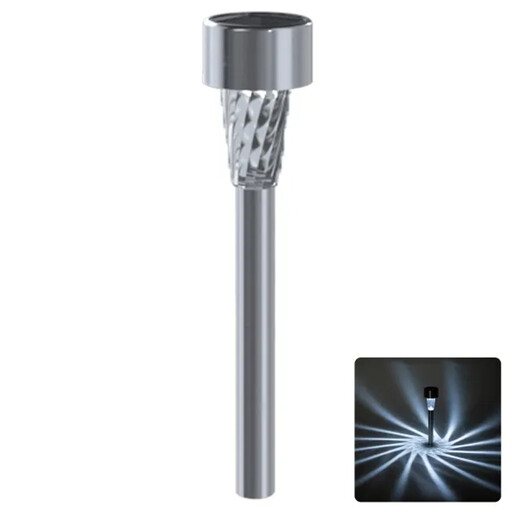
Why This Fits Their Persona: Perfect for those who want to add atmospheric accents along a border or in planters on a budget. High light output isn't needed, but a stylish and simple solution is.
This light is honest about its purpose: ambience. The low light output (0.006W) is not a drawback but a feature. The IP44 rating is sufficient for its intended, often somewhat sheltered, placement.
Very affordable and ready to use out of the box. The stainless steel look adds a modern accent without complex installation.
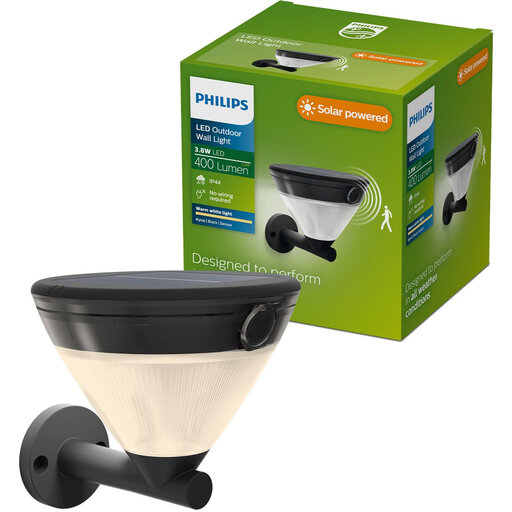
Why This Fits Their Persona: Ideal for those seeking safety and functionality at the front or back door, shed, or driveway. The light must provide reliable illumination when needed, without wasting energy.
The motion sensor bypasses the runtime pitfall; the light only shines at full brightness (400 lumens) upon detecting movement. This ensures efficient energy use and extends the battery's charge.
Provides functional brightness and security. The combination of a dimmer and motion sensor delivers light when needed and ambience when possible. Made of UV-resistant plastic.
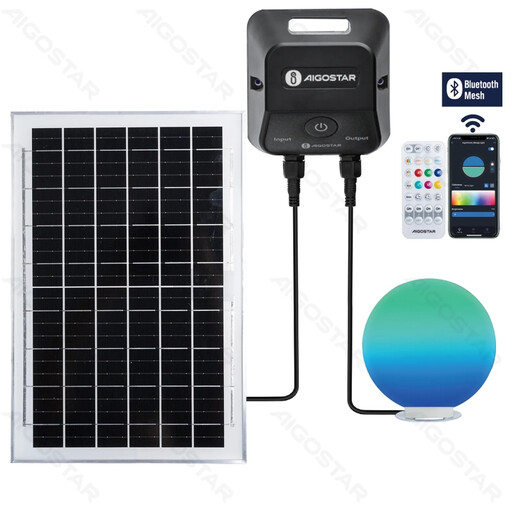
Why This Fits Their Persona: For those who want complete control over their garden's atmosphere. Not just a light, but a smart device to set colours, brightness, and schedules, all from a smartphone.
This light tackles all the pitfalls. The IP65 rating makes it truly weatherproof. The large battery and powerful panel ensure reliable operation, and the app lets you manage brightness to optimise runtime.
Full control via Bluetooth Mesh (RGBCCT) for colour and brightness. The robust IP65 rating and long lifespan of 30,000 hours make this a durable, smart investment.
Didn't find what you were looking for? There are other types of solar lighting that meet strict selection criteria, such as lampposts that can illuminate a larger area.
The runtime in winter is significantly shorter than in summer. Due to the shorter days and the lower angle of the sun, the battery charges less effectively. Expect 2 to 5 hours of runtime on a dark winter day, depending on the quality of the solar panel and battery capacity. Lights with a motion sensor perform relatively better, as they only turn on when truly needed.
In most solar-powered LED garden lights, the rechargeable battery (usually a NiMH or Li-ion type) is replaceable. After a few years, the battery's capacity will diminish. By replacing it, you can significantly extend the life of the lamp. Check the product information to see what type of battery is needed and whether it is easily accessible.
Yes, direct sunlight is preferred for optimal charging. Although modern solar panels can also charge on a cloudy day, it will be much slower and result in a shorter runtime. Therefore, always place your solar garden lighting in a spot where it can receive the maximum hours of sunlight during the day, free from the shade of trees, fences, or buildings.
