
Vandaag of morgen in huis

Kwaliteit gegarandeerd

Welkomstaanbiedingen ontgrendelen: GRATIS bezorging | Tot 80% korting | Gratis 30 dagen JoyPlus-proefperiode
Download de app
Solar garden lighting seems like the ideal solution: sustainable, no hassle with cables, and no extra costs on your energy bill. Yet, there's a good chance your first purchase was a disappointment. A lamp that goes out after just an hour, light that's dimmer than a candle, or a fixture that gives up after the first heavy downpour.
The market is flooded with options, and many products promise more than they deliver. Before you invest in new solar-powered outdoor lighting, it's wise to know the common pitfalls. The most frequent ones are:
Fortunately, you can avoid these problems by paying attention to a few specific details.
To make a good choice, you don't need to sift through a technical manual. Focus on three key points that make the difference between a bad buy and a durable, functional lamp.
The brightness of a lamp is expressed in lumens. This number is an objective measure of the amount of light a lamp emits. Don't be misled by the wattage. An efficient LED solar garden light can produce many lumens with very few watts.
The IP rating indicates how well a device is protected against dust and water. For outdoor lighting, this is one of the most important specifications.
A good solar lamp has a powerful battery, usually a Li-Ion (Lithium-Ion) type. These have a longer lifespan and perform better than older NiMH batteries. The capacity is expressed in mAh (milliampere-hours); a higher number generally means a longer runtime.
A smart extra feature is a dual charging option. A rechargeable outdoor light that you can charge via USB in addition to solar energy offers peace of mind. On dark days or in winter, you can charge the battery indoors, ensuring you're never left without light.
Based on these criteria, we have selected a number of products that suit different needs and situations.
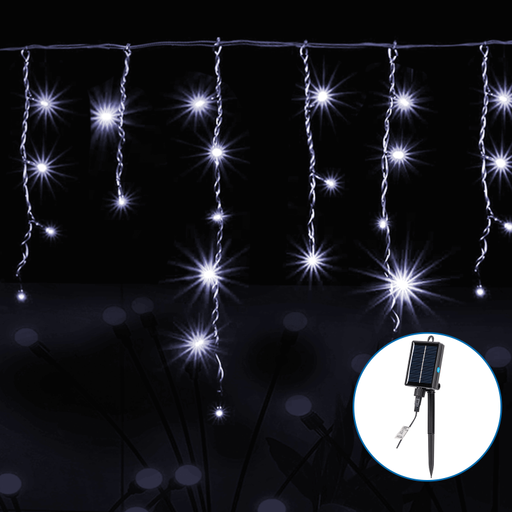
Why This Fits Their Persona: Ideal for those who want to quickly and affordably create a cozy atmosphere on a balcony, fence, or under a pergola. This outdoor solar string light is easy to install and instantly provides a festive or intimate effect.
With 100 LEDs and 8 different light modes, you avoid the 'dim light' trap. The IP65 rating guarantees that the string is resistant to the heaviest downpours, ensuring it won't break after one season.
Fully waterproof (IP65) and offers 8 light modes for variety. According to Aigostar, the battery has a runtime of up to 12 hours after a full charge.

Why This Fits Their Persona: For those looking for reliable and powerful light at the front door, driveway, or shed. This solar wall light with a motion sensor is purely functional and focused on safety and visibility.
With a light output of 1000 lumens, this is not a weak 'mood light' but a serious floodlight that turns on when needed. This effectively tackles the pitfall of insufficient brightness.
Very high light output for maximum visibility. The built-in motion and dusk sensors ensure efficient energy use: the lamp only turns on when it's dark and there's movement.
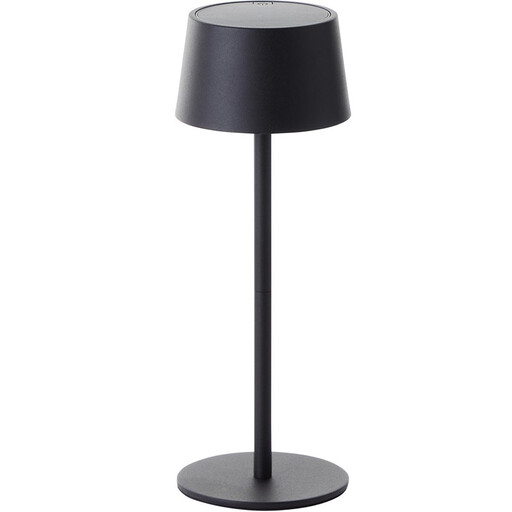
Why This Fits Their Persona: For those who see lighting as part of their styling. This portable table lamp is perfect for the lounge table or a side table on the patio. Its sleek design and dimming function make it a versatile mood setter.
The pitfall of a short runtime is bypassed here by the dual charging function. Not enough sun? Simply charge it via USB. This way, you always have light, regardless of the weather.
Modern and sleek design, dimmable in 3 steps, and flexibly rechargeable via solar and USB. The lamp is height-adjustable for extra flexibility.
We've compiled a complete, up-to-date list of products that meet these selection criteria and local regulations.
For optimal charging, most solar lights need at least 6 to 8 hours of direct sunlight. The placement of the solar panel is therefore very important. Ensure the panel is facing south and is not in the shade of trees, walls, or other objects.
Yes, but their performance is reduced. Due to shorter days and the lower position of the sun, the panels receive less energy. This results in a shorter runtime in the evening. Models with a large battery capacity or an additional USB charging option are therefore a good choice for those who want reliable light even in winter.
The LED bulb itself lasts a very long time, often more than 25,000 burning hours. The component most subject to wear and tear is the rechargeable battery. Depending on the quality and usage, a battery typically needs to be replaced after 2 to 3 years. On some models, this is easy to do yourself, which enhances the lamp's sustainability.
