
Vandaag of morgen in huis

Kwaliteit gegarandeerd

Welkomstaanbiedingen ontgrendelen: GRATIS bezorging | Tot 80% korting | Gratis 30 dagen JoyPlus-proefperiode
Download de app
Solar garden lighting seems like the ideal solution: no fussing with cables, no extra costs on your energy bill, and yet an atmospherically lit garden, patio, or balcony. In practice, however, the reality can be disappointing. Many lights give up after just a few hours or don't survive the first autumn downpour. To prevent your quest for ambiance from ending in disappointment, we've outlined the most important factors to consider.
Before you make a purchase, it's wise to know where things often go wrong. Common problems can be traced back to a few weak points in the design.
To avoid these pitfalls, you can focus on a few concrete specifications. These provide an objective view of the quality and performance of a solar-powered outdoor light.
solar torch or spotlight that is fully exposed to the rain, IP65 (jet-proof) or higher is a wiser choice.solar-powered garden lighting. A higher capacity, expressed in milliampere-hours (mAh), means the lamp can stay on longer. A high-quality solar panel charges the battery more efficiently, even on days with less bright sun.solar LED garden lighting. For ambient garden lighting, a high lumen output is not always necessary. The colour temperature, expressed in Kelvin (K), determines the atmosphere. Warm white light (around 2700-3000K) is generally perceived as more inviting than cool white light (above 4000K).Not everyone has the same needs. That's why we've highlighted a few popular choices that suit different users.
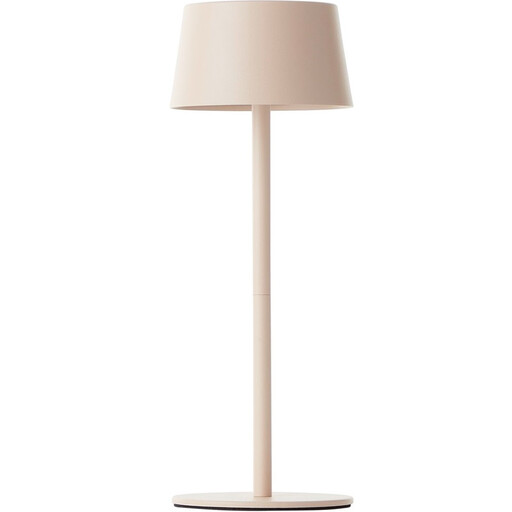
Why This Fits Their Persona: Ideal for those seeking an atmospheric, portable lamp for a garden table or balcony. The combination of solar and USB charging offers maximum flexibility, regardless of the weather.
The USB charging function is a direct solution to the 'dim light on cloudy days' pitfall. This ensures you always have guaranteed light, even when the sun doesn't cooperate.
Flexible use thanks to dual charging options and a 3-step dimming function. The IP44 rating makes it suitable for sheltered outdoor use.
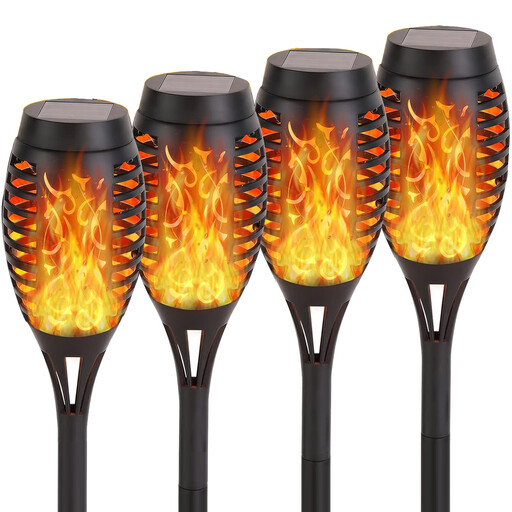
Why This Fits Their Persona: Perfect for marking a garden path or creating ambiance in a flowerbed. This set of four torches is designed for durability and ease of use in the open air.
With an IP65 rating, this `solar torch` is specifically designed to bypass the 'not weatherproof' pitfall. It is resistant to rain and dust, which is essential for unpredictable climates.
High water resistance (IP65) and an automatic on/off sensor for maximum convenience. The set of four provides a complete solution for a larger area.
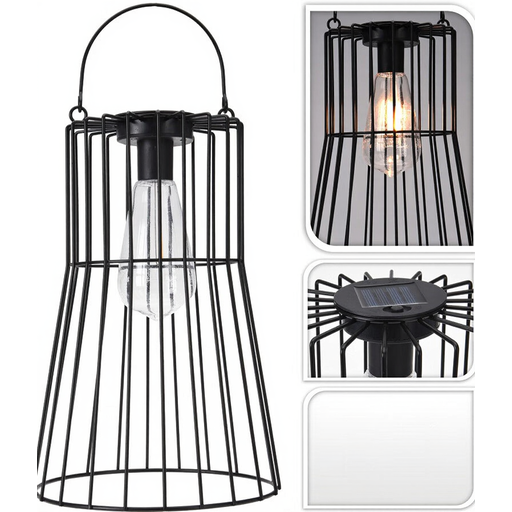
Why This Fits Their Persona: For those looking for a `solar lantern` that is both a light source and a decorative object. The sleek, metal design fits well in a modern garden or on a stylish balcony.
This lantern is made of powder-coated metal. This tackles the 'poor durability' pitfall, as the material is far more durable than cheap plastic that quickly becomes brittle.
Durable material (metal) and a versatile design that can be either freestanding or hung. According to the manufacturer, the lamp provides up to 6 hours of light after a full charge.
Do you have a spot with little direct sunlight, like a north-facing balcony or a shady corner of the garden? Then consider battery-powered garden lighting. These offer similar ease of installation and ambiance, without being dependent on the sun.
Sometimes a battery-powered lamp is a more practical choice. We have a complete, up-to-date overview of products that meet strict selection criteria and safety regulations.
The runtime heavily depends on the amount of sunlight during the day and the battery's capacity. A quality model will typically provide 6 to 8 hours of light after a sunny day. On cloudy days, this will be shorter.
Yes, but performance is reduced. The days are shorter and the sun is less powerful, so the battery doesn't charge as fully. The lights will therefore run for a shorter time and may be less bright. Models with an efficient solar panel and a good battery perform relatively better in winter.
The IP rating indicates the degree of protection. The first digit stands for protection against solid objects (like dust) and the second for protection against moisture. For outdoor solar lighting, IP44 (splash-proof) is the minimum for sheltered spots. For lights directly exposed to rain, IP65 (jet-proof) is a much safer choice.
