
Vandaag of morgen in huis

Kwaliteit gegarandeerd

Welkomstaanbiedingen ontgrendelen: GRATIS bezorging | Tot 80% korting | Gratis 30 dagen JoyPlus-proefperiode
Download de app
Solar garden lighting seems like the ideal solution: no fussing with cables, no extra energy costs, and an atmospheric garden as soon as the sun sets. Yet, the search often ends in disappointment. Lights that give up the ghost after a single downpour, a light output that barely surpasses a tealight, or lighting that calls it a night after just a few hours. Sound familiar?
A lot of marketing promises the world, but the reality in a variable climate is often different. Before you invest in new solar-powered garden lights, it's useful to know the three common pitfalls that lead to a bad purchase.
To avoid these pitfalls, you don't need to pore over a technical manual. By paying attention to three core specifications, you can make an informed choice for sustainable garden lighting that suits your situation.
The IP rating (Ingress Protection) indicates how well a product is protected against water and dust. This is an objective standard.
outdoor solar lights. They can withstand a rain shower but not a jet of water (like from a garden hose) or prolonged, heavy precipitation. Suitable for sheltered spots, such as under a canopy or on a balcony.The runtime depends on the balance between the energy stored and the energy the light consumes.
solar spotlights, 100-300 mAh is often sufficient for a few hours of ambient light. For functional lighting that needs to stay on all evening, you're better off looking for values of 600 mAh or higher.Not all LED solar garden lighting is the same. The atmosphere and function are determined by the light colour and brightness.
ambient solar lantern is often fine with 5-50 lumens. A solar-powered outdoor light with a sensor for the front door ideally needs 100-400 lumens to properly illuminate the area.Based on these criteria, we have selected a number of products that suit different needs and situations.
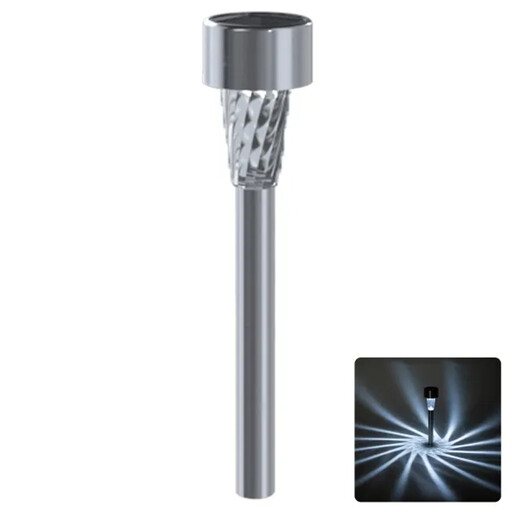
Why This Fits Their Persona: Ideal for those who want to add ambiance to a balcony, planter, or a small part of the garden in a simple and affordable way. Not a major investment, but delivers immediate results.
The specifications are clear: an IP44 rating and a 40 mAh battery. This sets realistic expectations: it's an ambient light for sheltered spots with a runtime of a few hours, not a spotlight for the entire night.
Very simple installation (just stake it into the ground) and a compact size. The stainless steel finish provides a sleeker look than all-plastic models.
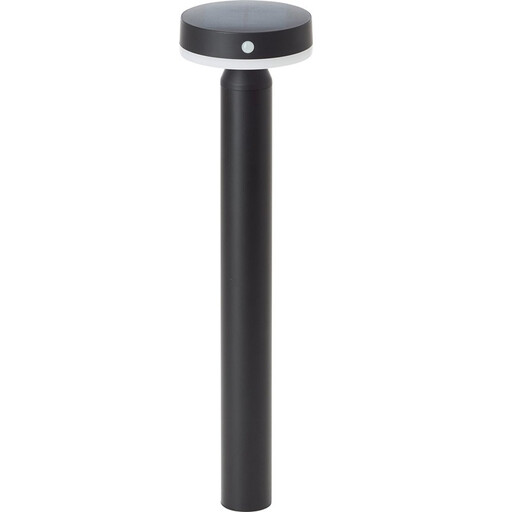
Why This Fits Their Persona: Perfect for those seeking functional lighting along a garden path, driveway, or near the back door. The focus is on safety and convenience, with light that turns on when needed.
This light specifies a brightness of 350 lumens and a motion sensor. This prevents the disappointment of light that is too dim. The IP44 rating is clearly stated, indicating it is splash-proof and suitable for most outdoor applications.
The built-in motion sensor ensures efficient energy use and enhances security. The 4000K light colour (neutral white) is an excellent balance between ambiance and functionality.
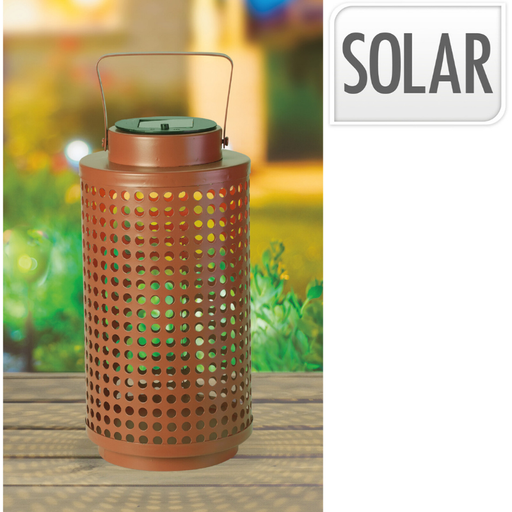
Why This Fits Their Persona: For those who see lighting as an extension of their interior style. This solar lantern is a decorative object that adds a pop of colour during the day and casts a warm glow at night.
This product is presented as ambient lighting, not a high-power lamp. The claimed runtime of 6 hours after a full charge is a realistic specification for a decorative lantern, which prevents disappointment.
The metal design and unique colour set this lantern apart from standard plastic garden lights. It's a stylish accessory that can be used either standing or hanging.
We've compiled a complete, up-to-date list of products that meet these selection criteria and local regulations.
The runtime of solar lighting is significantly shorter in winter. Due to the shorter days and the lower position of the sun, the solar panel receives less energy. A light that runs for 8 hours in the summer might only last 1 to 3 hours in the winter. Lights with an efficient (often amorphous) solar panel and a large battery capacity perform relatively better in the darker months.
Yes, the rechargeable batteries in solar lights have a limited lifespan. After 1 to 3 years, depending on the quality and usage, their capacity to store energy will decrease. Most solar lights use standard rechargeable batteries (often AA or AAA NiMH) that you can easily replace yourself to extend the life of the lamp.
The IP rating consists of two digits. The first digit (0-6) indicates the level of protection against solid objects and dust. The second digit (0-8) indicates the level of protection against moisture and water. For outdoor solar lights, the second digit is particularly important. IP44 (splash-proof) is the minimum, while IP65 (jet-proof) is a much more robust and safer choice for unpredictable weather.
