
Vandaag of morgen in huis

Kwaliteit gegarandeerd

Welkomstaanbiedingen ontgrendelen: GRATIS bezorging | Tot 80% korting | Gratis 30 dagen JoyPlus-proefperiode
Download de app
Solar-powered garden lighting sounds ideal: no fussing with cables, no extra energy costs, and automatic ambiance as soon as the sun sets. In practice, the reality can be more challenging. Many people invest in lights that only emit a faint glow after a few weeks or don't survive the first heavy downpour.
As a Joybuy Product Recommendation Officer, I see what's on the market every day. I'm here to help you see through the marketing jargon and focus on what truly matters. Let's look at the three most common pitfalls, so your garden, patio, or balcony will soon be beautifully and reliably illuminated.
The marketing photo shows a beautifully lit garden, but the reality is a few disappointing specks of light that barely make the paving stone beneath them visible. The cause is a light output that is too low, a problem that plagues many budget-friendly models.
Your solar light charges all day, but after just an hour of enjoying your patio, the light has already gone out. This indicates a battery capacity that is too small or an inefficient solar panel that barely collects any energy on a cloudy day. This is a key concern, especially in regions with less consistent sunshine.
A lamp that fills with moisture, shows rust spots, or simply stops working after a few rain showers. This is caused by inadequate water resistance, despite being sold as outdoor solar lighting.
To avoid wasting your money, there are a few technical specifications you should always check. They are less complicated than they seem.
Don't be guided by the number of LEDs, but look at the light output in lumens (lm). This number indicates how brightly the lamp actually shines.
The color temperature in Kelvin (K) determines the atmosphere. Around 2700-3000K provides warm white light, which most people find cozy and inviting. Higher values (from 4000K) produce cooler, whiter light.
The capacity of the built-in battery, expressed in milliampere-hours (mAh), determines how long the lamp can stay on. A higher value means a longer runtime. For a reliable wireless garden light, a capacity of 1200 mAh or more is a good guideline.
An additional USB charging option is a major advantage. On dark winter days or during a rainy week, you can charge the lamp indoors, ensuring you're never left without light.
The IP rating indicates how well a lamp is protected against dust and moisture. This is crucial for durable outdoor lighting.
Below are some products that suit different needs and avoid the pitfalls mentioned earlier.
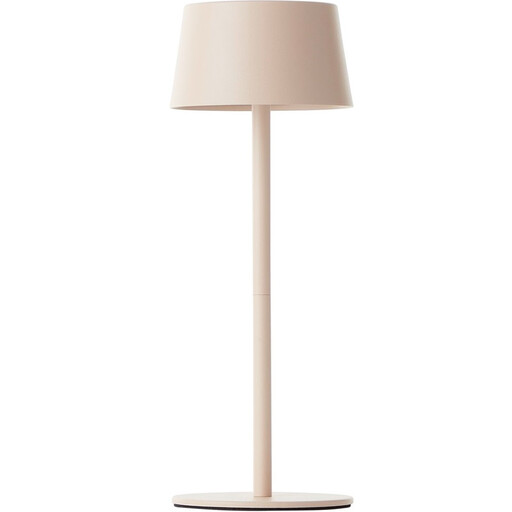
Why This Fits Their Persona: Perfect for those seeking a design element for the balcony table or a side table in the garden. This `solar table lamp` combines a modern look with practical features for cozy evenings.
With 170 lumens, this lamp provides functional warm light, far more than a dim glow. The dual charging function (solar & USB) prevents the 'dead battery' pitfall on darker days.
Dimmable in 3 steps: adjust the light intensity to match the mood. IP44 protection: resistant to rain showers, ideal for sheltered outdoor use.
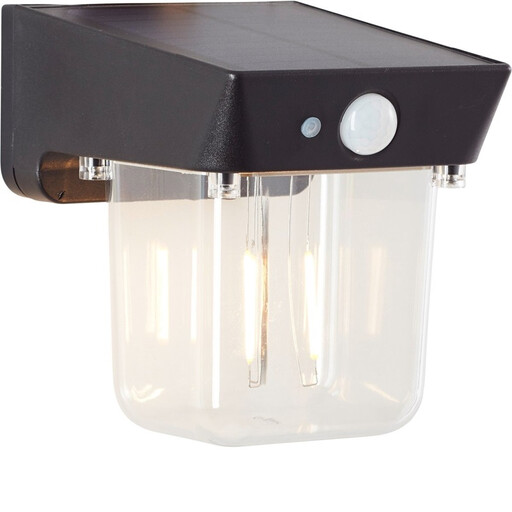
Why This Fits Their Persona: Ideal for those who need functional light at the front door, shed, or along a walkway. This `solar outdoor light with sensor` offers security and convenience without installation costs.
The motion sensor ensures the lamp only shines at full brightness when needed, which conserves the battery and extends its runtime. The IP44 rating is sufficient for wall mounting.
Motion sensor: efficient energy use and added security. 180 lumen light output: provides bright, functional light upon detection.
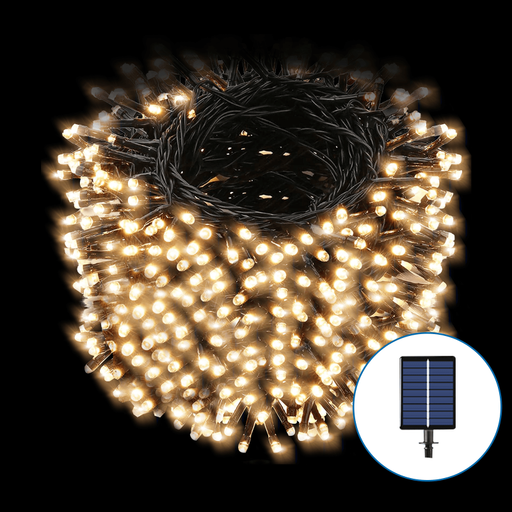
Why This Fits Their Persona: For anyone looking to transform a fence, pergola, or balcony railing into an atmospheric setting. This `solar string light` is perfect for garden parties or simply for a cozy atmosphere all year round.
The IP65 rating means this string light is built to withstand the elements and won't need replacing after one season. The 800mAh battery provides a runtime of up to 8-12 hours, more than enough for a long evening.
High IP65 rating: highly weather-resistant for open-air use. 8 light modes: choose from various effects, from calm to festive.
We have compiled a complete, up-to-date list of products that fully meet these strict selection criteria and local safety standards.
The lifespan depends on two components. The LED solar garden light itself has a very long life, often 15,000 operating hours or more. The rechargeable battery is the component that loses capacity over time. Expect an effective lifespan of 1 to 3 years for the battery. In some models, the battery is replaceable, which significantly extends the lamp's life.
Yes, but with limitations. Solar panels also charge in daylight, not just direct sunlight. However, on a cloudy day or in winter, charging will be slower, and the runtime in the evening will be shorter. Models with a larger, more efficient solar panel and a higher battery capacity perform better under these conditions. A lamp with an additional USB charging port offers a practical solution here.
For optimal performance, place the solar panel in a location where it receives the most hours of direct sunlight throughout the day. A south-facing spot is ideal in the Northern Hemisphere. Also, ensure the panel remains free of dirt, leaves, and snow, as this can reduce its charging capacity.
