
Vandaag of morgen in huis

Kwaliteit gegarandeerd

Welkomstaanbiedingen ontgrendelen: GRATIS bezorging | Tot 80% korting | Gratis 30 dagen JoyPlus-proefperiode
Download de app
Solar-powered garden lighting seems like the ideal solution: no hassle with cables, no extra costs on your energy bill, and easy to install. Yet, a quick purchase often leads to disappointment. Lights that fail after a few rain showers, a glow that fades before midnight, or a beam of light so weak you can barely make out a garden path.
As a Joybuy Product Recommendation Officer, I see where things often go wrong. Before you invest in new solar garden lights, it's wise to be aware of a few common pitfalls.
By paying attention to a few technical details, you can avoid these problems and choose garden lighting that truly performs, all year round.
Marketing terms mean little. The specifications on the product page are what truly matter. Pay close attention to these three points to make a smart choice for durable outdoor lighting.
The IP (Ingress Protection) rating indicates how well a device is protected against dust and moisture. This is a crucial factor for products that are kept outdoors.
A higher IP rating generally means a more robust construction that will last longer.
A solar-powered outdoor light is only as good as its battery and panel.
The amount of light a lamp produces is expressed in lumens (lm). This determines the functionality of your LED solar lighting.
The colour temperature, expressed in Kelvin (K), sets the mood:
Based on these criteria, we have selected a number of products that suit different needs and situations.
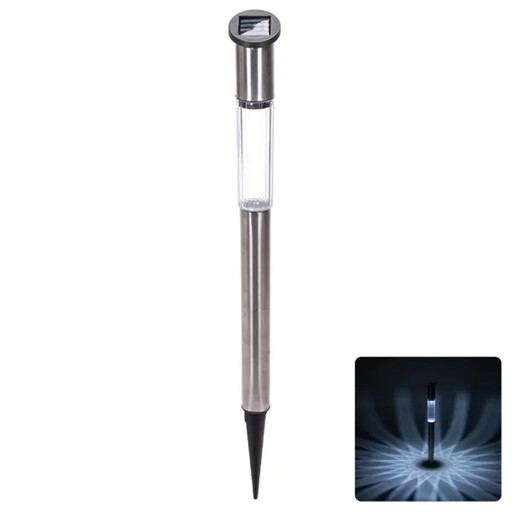
Why This Fits Their Persona: Ideal for those who want to mark a garden path or border in an affordable way. Installation is simple: stick the stake in the ground, and you're done. No fuss, just functional ambient light.
This light is designed for ambiance, not bright illumination. The IP44 rating is sufficient for a sheltered spot, and the NiMH battery provides enough power for an evening of mood lighting, which aligns with expectations for this type of product.
The stainless steel housing is more durable than all-plastic models. The tall stake (55 cm) ensures the light rises above low-growing plants to catch enough sunlight.
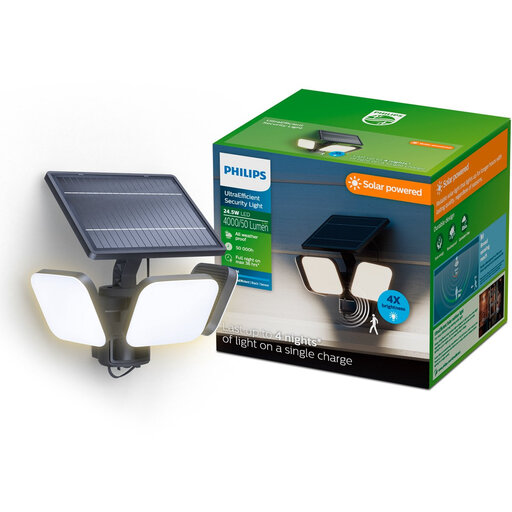
Why This Fits Their Persona: Suitable for those who want to secure a driveway, shed, or back door with a powerful beam of light. The motion sensor ensures efficient energy use and acts as a deterrent.
With an IP65 rating, this light is built to withstand the harshest downpours. The light output of 4000 lumens (as specified by Philips) is extremely powerful and far surpasses the weak glow of simple ambient lights.
The PIR sensor has a wide detection range (up to 16 meters). According to Philips, the battery can last up to 4 nights on a full charge, which increases its reliability during darker periods.
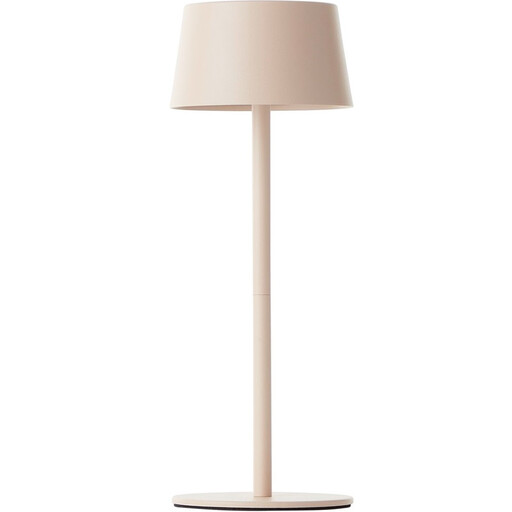
Why This Fits Their Persona: For those seeking a stylish, wireless lamp for the garden table, balcony, or even indoors. This is not a stake light, but a fully-fledged table lamp that combines ambiance and functionality.
This lamp bypasses the pitfall of short runtimes with a dual charging function. Not enough sun? Simply charge it via USB. This way, you're never left in the dark. The IP44 rating is appropriate for a lamp that you can move under a shelter during heavy rain.
The lamp is dimmable in 3 steps, allowing you to adjust the light intensity to suit the mood. It can also be assembled at two different heights, making it extra flexible in its use.
We've compiled a complete, up-to-date list of products that meet these selection criteria and local regulations.
The lifespan depends on two components. The LED bulb itself often lasts a long time, with a rated lifespan of 15,000 to 20,000 operating hours. The rechargeable battery is the component that wears out first. Depending on the quality and usage, a battery may need replacement after 2 to 4 years. Regularly cleaning the solar panel with a damp cloth extends its efficiency and lifespan.
Yes, but their performance is reduced. The shorter days and the lower position of the sun in winter mean the solar panel can generate less energy. As a result, the light will not stay on as long as it does in the summer. Models with an efficient monocrystalline solar panel and a large battery perform better in winter. A mode with a motion sensor also helps to save energy.
No, that is one of the major advantages of wire-free garden lights. Most models are stake lights that you stick directly into the ground. Wall lights or floodlights are mounted with a few screws to a wall or fence. No wiring is required, making the installation a simple DIY job.
