
Vandaag of morgen in huis

Kwaliteit gegarandeerd

Welkomstaanbiedingen ontgrendelen: GRATIS bezorging | Tot 80% korting | Gratis 30 dagen JoyPlus-proefperiode
Download de app
Solar-powered garden lighting sounds ideal: no cable clutter, no extra costs on your energy bill, and a simple installation. Yet, the purchase often leads to disappointment. Many products on the market fail to meet expectations, especially in the unpredictable Dutch climate.
Before you invest, it's important to recognise the common pitfalls. Many buyers fall for marketing promises that hold little value in practice. The three most common problems are:
solar garden lights emit only a faint glow, insufficient to safely illuminate a path or make a dark corner of the garden visible.By paying attention to a few key specifications, you can avoid these disappointments and choose a product that truly fits your needs.
Marketing terms mean little. The technical specifications on the product page tell the real story. Focus on the following three points to avoid buyer's remorse.
The weather resistance of outdoor solar lighting is expressed as an IP rating. This is an international standard, not a vague marketing claim. The two digits represent protection against dust and moisture.
waterproof solar garden lighting that you want to place anywhere in the garden, IP65 or higher is a wise choice.The amount and ambiance of the light are crucial. Two values are important here:
solar ground spots or small decorative stake lights.ambient solar garden lighting.The performance of outdoor LED solar lighting depends entirely on the battery and the solar panel. A larger solar panel charges faster, even on cloudy days. The battery capacity, expressed in milliampere-hours (mAh), determines how long the light can operate. A higher mAh value typically means a longer runtime. A light with 100 mAh will run for a significantly shorter time than a model with 800 mAh, especially during the darker months.
Based on these criteria, we have selected a number of products that suit different user profiles.
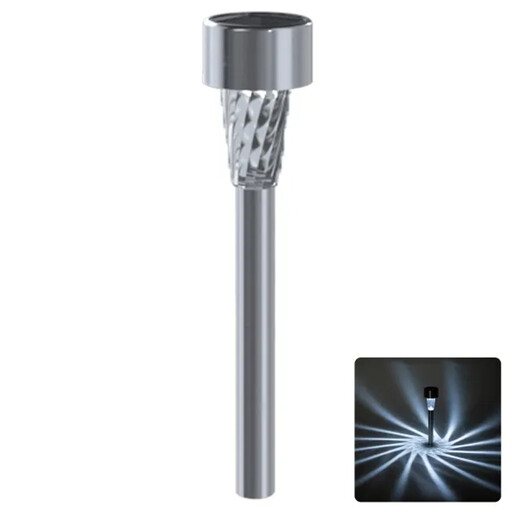
Why This Fits Their Persona: Perfect for those who want to add subtle light accents along a garden path, in flower pots, or on the balcony without a large investment. Easy to place and purely focused on decoration.
This product avoids the 'too dim' pitfall by clearly serving a decorative purpose. The IP44 rating is honestly specified, indicating it's suitable for sheltered spots and doesn't pretend to withstand a storm.
Simple installation with the ground stake. The stainless steel look provides a modern appearance. The expected runtime of 8-12 hours is realistic for the small battery (40 mAh) with sufficient sunlight.
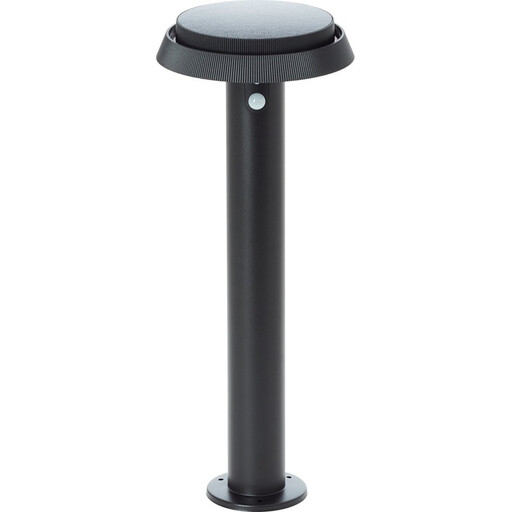
Why This Fits Their Persona: Ideal for those who want to combine safety and functionality. Perfect for illuminating the driveway, the path to the front door, or a dark corner near the shed, where light is only needed upon motion.
It tackles the 'too dim' problem with a functional 500 lumens. The motion sensor ensures the light only shines brightly when needed, which conserves the battery and bypasses the 'unrealistic runtime' pitfall.
A true solar-powered garden light with a sensor. The combination of metal and plastic is robust, and the 3000K light colour provides functional, yet warm light.
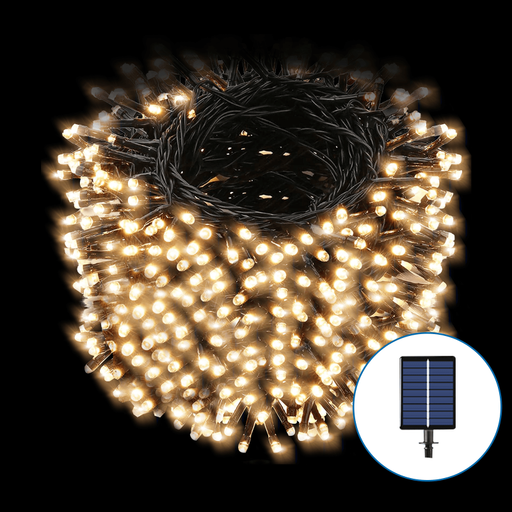
Why This Fits Their Persona: Perfect for illuminating a pergola, balcony, fence, or for creating a festive atmosphere during a barbecue. The length and various light modes offer versatile decoration options.
With an IP65 rating, these outdoor solar string lights are truly built for the Dutch weather, bypassing the 'false waterproofing' pitfall. The 800mAh battery ensures a realistic runtime of 8-12 hours.
Highly weather-resistant (IP65), 8 different light modes for variety, and a total length of 12 metres (10m of lights + 2m cable) for ample coverage.
We have compiled a complete, up-to-date list of products that fully meet these strict selection criteria and Dutch safety standards.
The runtime in winter is significantly shorter than in summer. Due to shorter days and the lower position of the sun, the battery charges less effectively. Expect a runtime that is 30% to 50% shorter than the specified maximum duration. Models with a larger solar panel and a high-capacity battery (mAh) generally perform better in the darker months.
Yes, solar panels also charge in cloudy weather, but much less efficiently than in direct sunlight. After a dark, overcast day, the light will run for a shorter time than after a sunny day. For reliable performance, it's important to place the light where it can catch as much daylight as possible.
The IP rating indicates how well a device is protected against solid particles (like dust) and liquids (like water).
