
Vandaag of morgen in huis

Kwaliteit gegarandeerd

Welkomstaanbiedingen ontgrendelen: GRATIS bezorging | Tot 80% korting | Gratis 30 dagen JoyPlus-proefperiode
Download de app
Solar garden lighting seems like the perfect solution: no messy cables, zero extra energy costs, and simple installation. Yet, the purchase often ends in disappointment. A light that fails after a single autumn shower, a beam weaker than a candle, or a battery that dies before the evening has even truly begun.
As a Joybuy Product Recommendation Officer, I see where things go wrong every day. Many products overpromise and underdeliver. To help you avoid a bad purchase, I've outlined the most common pitfalls and the specifications you truly need to pay attention to.
To avoid the problems mentioned above, there are a few technical specifications you must check. They might seem complex, but they directly determine whether your purchase will be a success.
The IP Rating (Ingress Protection) indicates how well a light is protected against dust and moisture. This is perhaps the most important specification for solar-powered outdoor lighting in wet climates.
A higher IP rating means a more durable waterproof outdoor light.
Don't be fooled by the number of LEDs; brightness and colour are far more important.
The performance of solar-powered garden lights depends on the balance between the battery and the solar panel. A large battery (mAh) can store more energy, resulting in a longer runtime. An efficient solar panel (often monocrystalline silicon) charges faster, even with less direct sunlight. A good combination ensures your light will still work even after a gloomy day.
Based on these criteria, we have selected a number of products that suit different needs and situations.
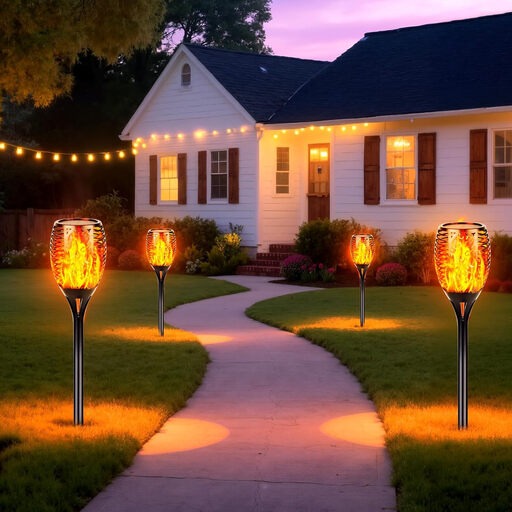
Why This Fits Their Persona: Perfect for those who want to create a warm, lively atmosphere effortlessly. The dancing flame effect from the 96 LEDs instantly provides a cozy ambiance along a garden path, on a balcony, or during a garden party.
With an IP65 rating, this torch is built to withstand the rain and wind of all seasons, unlike many decorative lights that fail after just a few downpours.
The realistic, flickering flame effect creates a unique atmosphere. The lights automatically turn on at dusk and off at dawn.
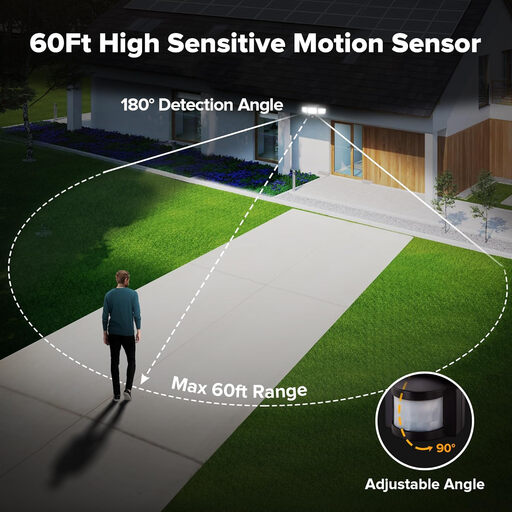
Why This Fits Their Persona: Ideal for anyone seeking functional, powerful lighting for a driveway, backyard, or next to the shed door. This light is purely focused on security and visibility.
While many solar lights are too weak for genuine security, this model delivers a very high output of 3000 lumens. The motion sensor's wide detection angle ensures reliable activation.
The three adjustable heads provide a 270-degree illumination angle. The IP65 rating guarantees operation in all weather conditions.
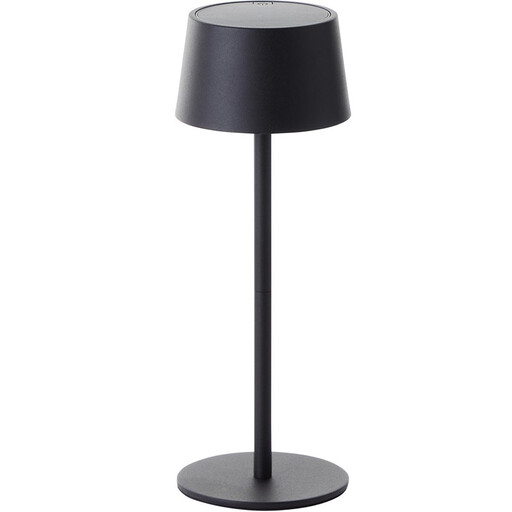
Why This Fits Their Persona: For those who want a combination of design, flexibility, and ambiance. This portable table lamp looks just as stylish on the garden table as it does on a side table on the balcony.
This lamp bypasses the pitfall of a dead battery after a dark week. In addition to solar charging, it can also be charged via USB, ensuring you always have light.
The 3-step dimming function allows you to adjust the light intensity to match the mood. Its IP44 rating makes it splash-proof and suitable for outdoor use.
We have compiled a complete, up-to-date list of products that fully meet these strict selection criteria and current regulations.
Yes, outdoor solar lights do work in the winter, but their runtime will be significantly shorter. The days are shorter and the sun is less powerful, so the battery won't charge as fully. To maximise performance, it's important to place the lights where they will catch the most direct sunlight during the day and to keep the solar panel clean of dirt or snow.
The lifespan of LED solar lighting depends on two components. The LED bulbs themselves last a very long time, often 15,000 hours or more. The rechargeable battery is usually the first part to wear out. Depending on the quality and usage, you can expect the battery to need replacing after 2 to 4 years.
Most modern solar garden lights with an IP rating of IP44 or higher are designed to withstand light frost. The housing and electronics are built for it. However, during prolonged periods of severe frost, it may be wise to bring the lights indoors temporarily. Extreme cold can shorten the battery's lifespan.
