
Vandaag of morgen in huis

Kwaliteit gegarandeerd

Welkomstaanbiedingen ontgrendelen: GRATIS bezorging | Tot 80% korting | Gratis 30 dagen JoyPlus-proefperiode
Download de app
Solar-powered garden lighting sounds ideal: no cable clutter, no extra energy costs, and an atmospheric garden as soon as the sun sets. However, the reality can be disappointing. Many people buy lights that fail after a single rainy season or provide barely enough light to distinguish the garden path. Before you invest, it's crucial to know how to avoid the common pitfalls.
The two most common issues are misleading claims about water resistance and overly optimistic battery life. A light that can't withstand your local climate is a waste of money. And a light that goes out by 9 PM defeats its purpose.
To avoid buyer's remorse, it's wise to check three key technical specifications. These determine the durability and performance of your solar-powered outdoor lighting.
The water resistance of electronics is indicated by an IP rating. This is a critical factor for the lifespan of a waterproof outdoor light in a variable climate.
The runtime of a solar light depends on two components: the battery's capacity (expressed in mAh) and the solar panel's efficiency. In regions with limited sunshine, this is especially important.
Not all LED garden lighting is created equal. The choice depends on your goal: do you want to safely illuminate a path or create a cosy atmosphere?
Based on these criteria, we have selected several popular choices that suit different users.
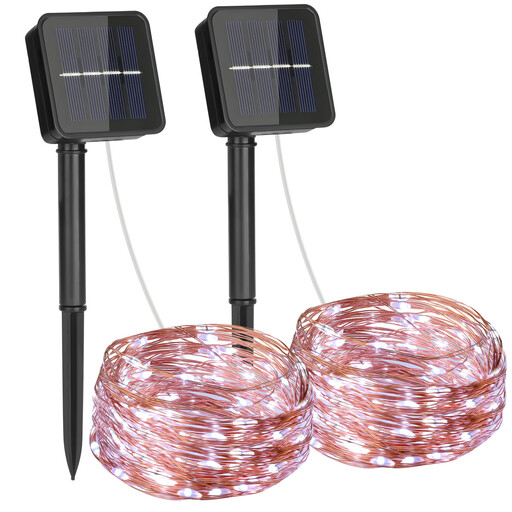
Why This Fits Their Persona: Ideal for those on a limited budget who want to quickly add ambiance to a balcony, fence, or tree. This solar string light is flexible, easy to install, and its 80 LED bulbs create an atmospheric effect for cosy evenings.
The manufacturer specifies an IP65 rating, which means these string lights are resistant to heavy downpours. This prevents the disappointment of a malfunction after just a few weeks.
Comes in a set of two for broad coverage. Offers 8 different light modes, from steady on to twinkling, and includes a memory function.
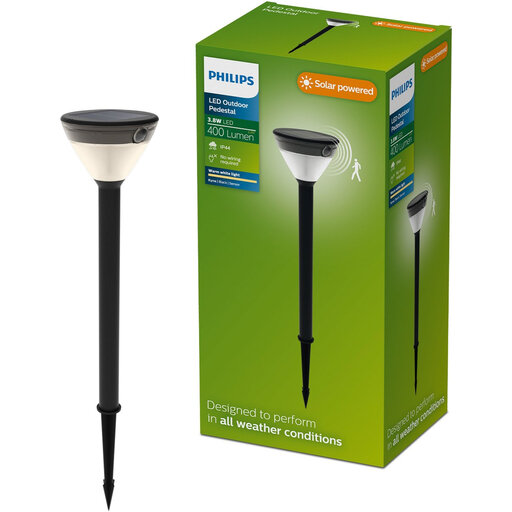
Why This Fits Their Persona: For those seeking reliable, functional lighting along a garden path or driveway. This sensor-equipped garden light from a well-known brand combines a classic design with modern, energy-efficient technology.
The built-in motion sensor ensures the light only shines at full brightness when needed. This efficiently manages battery life and prevents the light from running out of power halfway through the evening—a common problem.
Offers two light modes and a dusk-to-dawn sensor. The light is made from high-quality materials and has an IP44 rating, which Philips states makes it weatherproof for general outdoor use.
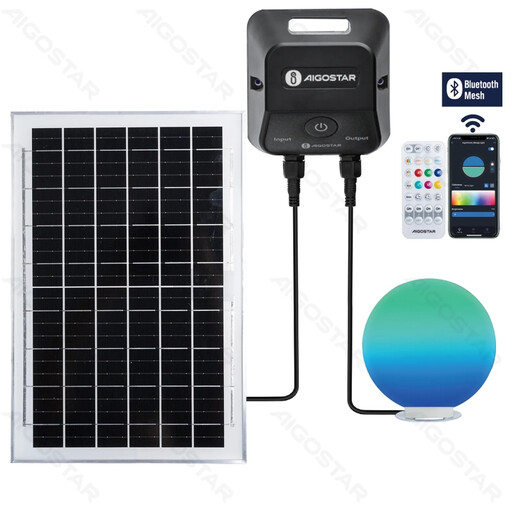
Why This Fits Their Persona: For those who want complete control over their garden's ambiance. This smart garden lighting can be controlled via an app. Adjust colours (RGBCCT), dim the light, and set schedules, all from your phone.
With an IP65 rating, this ground spotlight is built for outdoor use. The smart features, such as setting schedules and dimming, give you full control over energy consumption, thereby optimising battery life.
Full colour and brightness control via the app. According to the manufacturer, Aigostar, the system can control over 200 Bluetooth Mesh devices, allowing you to make your entire garden smart.
We have compiled a complete, up-to-date list of products that meet these strict selection criteria and safety standards.
The runtime in winter is significantly shorter than in summer. Due to shorter days and the lower angle of the sun, the battery doesn't charge as effectively. A high-quality light with a large solar panel and an efficient battery can still provide several hours of light in winter, especially if it's equipped with a dimming or sensor function. However, don't expect the same performance as on a long summer day.
That depends on the location. For a light directly exposed to rain, wind, and snow—such as in the middle of a flowerbed or along an unsheltered path—IP44 is often insufficient in the long run. It offers protection against splashing water but not against water jets or prolonged moisture. For durability in exposed outdoor areas, a rating of IP65 or higher is a safer choice.
In many budget models, the battery is built-in and not designed to be replaced. However, some higher-end or better-quality lights do allow you to replace the rechargeable battery (usually a standard AA or AAA NiMH battery). Check the product description or manual to see if this is possible for your model. Doing so can significantly extend the light's lifespan.
