
Vandaag of morgen in huis

Kwaliteit gegarandeerd

Welkomstaanbiedingen ontgrendelen: GRATIS bezorging | Tot 80% korting | Gratis 30 dagen JoyPlus-proefperiode
Download de app
Solar garden lighting seems like the ideal solution: no fuss with cables, no extra electricity costs, and an atmospheric garden or balcony as soon as the sun sets. Yet, a purchase often leads to disappointment. The lights fail after just a few weeks, the light is too dim to see the garden path, or a typical downpour proves fatal.
Before you invest in new solar-powered outdoor lighting, it's wise to know the most common pitfalls. This will help you avoid a bad purchase and choose lighting that actually performs as expected.
To make the right choice, you don't need to comb through a technical manual. Pay attention to the following three specifications. They will determine whether your purchase is a success or not.
The IP (Ingress Protection) rating indicates how well a product is protected against dust and water. For solar garden lights that are fully exposed to the elements, this is an indispensable specification.
A large battery (measured in mAh) is useless if the solar panel isn't efficient enough to charge it, especially during shorter, cloudy days. Look for a balance: a quality monocrystalline solar panel can still perform reasonably well even with less direct sunlight. The product description often mentions the estimated charging time and runtime. A realistic runtime after a day of charging is typically between 6 and 12 hours.
Not all solar-powered LED garden lighting is the same. The application determines what you need.
Based on these criteria, we have selected a few products that suit different needs and situations.
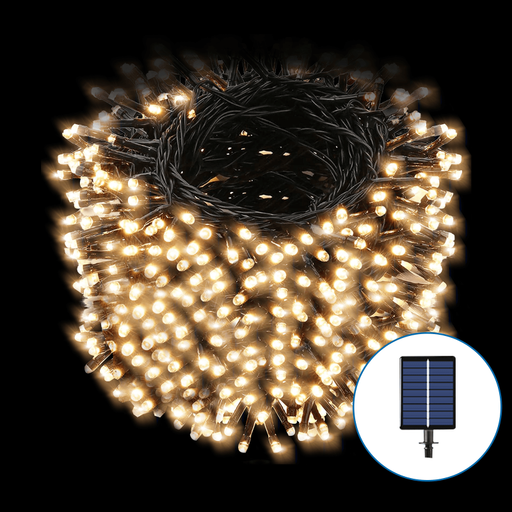
Why This Fits Their Persona: Ideal for those who want to transform a balcony, terrace, or fence into an atmospheric space. This string light provides warm light and various modes for any occasion, from a quiet evening to a garden party.
With an IP65 rating, this string light is resistant to rain, unlike cheaper alternatives. The specified runtime of 8-12 hours is realistic for the 800mAh battery.
Eight different light modes for variety and a total length of 10 metres of cord for ample decoration possibilities.
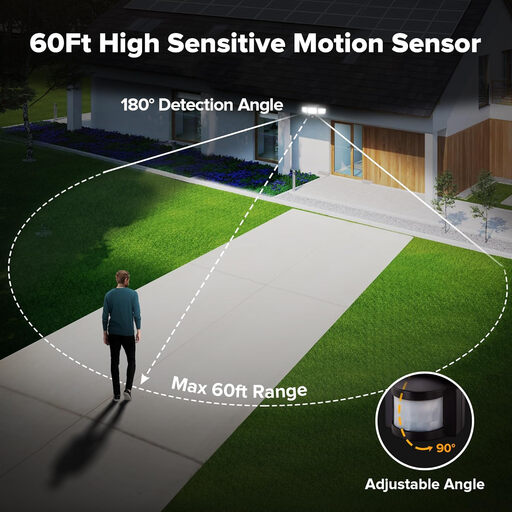
Why This Fits Their Persona: Perfect for those who prioritise safety and visibility. This set of floodlights is ideal for illuminating a driveway, shed, or dark corner of the garden as soon as motion is detected.
This light tackles the pitfall of weak lighting with a clear specification of 3000 lumens. This is powerful functional light, not a faint glow. The IP65 rating guarantees operation in bad weather.
Very high light output and a wide 180-degree detection angle. The three heads are adjustable for targeted illumination.
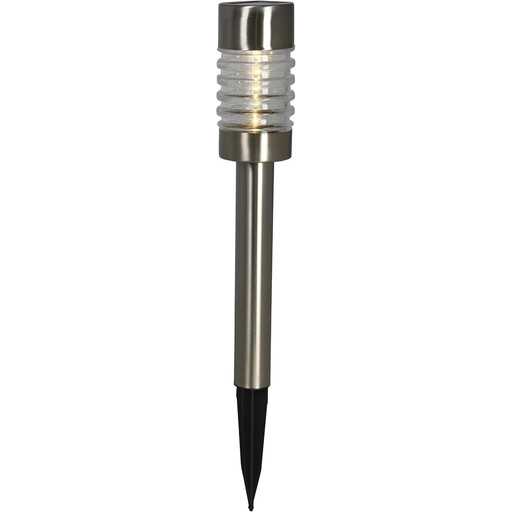
Why This Fits Their Persona: For those looking for an accessible way to add some accent lighting. These solar stake lights are perfect for placing along a border, in a flowerpot, or next to a garden path for a subtle and warm white light.
The pitfall with simple stake lights is often the material. Cheap plastic weathers and breaks quickly. This set is made of stainless steel, which guarantees a longer lifespan.
Simple installation: just stick them in the ground. The set of three makes it easy to create a unified look in the garden.
We have compiled a complete, real-time list of products that fully satisfy these strict selection criteria and UK safety regulations.
Yes, but performance is reduced. The shorter days and the lower position of the sun mean the solar panel can capture less energy. As a result, the runtime at night will be shorter than in the summer. Models with a more efficient (often monocrystalline) solar panel and a larger battery capacity generally perform better during the darker months.
The lifespan depends on two components. The LED lights themselves last a very long time, often more than 30,000 operating hours. The rechargeable battery is the component that wears out first. Depending on the quality and usage, a battery typically needs to be replaced after 1 to 3 years. Regularly cleaning the solar panel with a damp cloth helps to maximise charging efficiency and lifespan.
Most solar lighting is equipped with a light sensor that automatically turns the lamp on when it gets dark and off at sunrise. So, you don't have to do anything. Some models have an additional on/off button or a remote control. This can be useful if you want to save the battery for a specific evening or if you don't need the lighting every night.
