
Vandaag of morgen in huis

Kwaliteit gegarandeerd

Welkomstaanbiedingen ontgrendelen: GRATIS bezorging | Tot 80% korting | Gratis 30 dagen JoyPlus-proefperiode
Download de app
Solar garden lighting is a smart choice: no cable clutter, no extra energy costs, and simple to install. But the market is flooded with options, and not every light is worth the investment. Many people buy lighting that fails after just one season or provides barely any light. As a Joybuy Product Recommendation Officer, I'll help you make the right choices, ensuring your garden, balcony, or patio looks atmospheric and well-lit all year round.
Before you make a purchase, it's crucial to recognise three common pitfalls:
You don't need to be a tech expert to avoid these pitfalls. Pay attention to the following three specifications to make a durable and functional purchase.
The IP (Ingress Protection) rating indicates how well a device is protected against dust and moisture. This is crucial for outdoor lighting.
These two values determine the function and atmosphere of your lighting.
The performance of a solar-powered garden light depends on the balance between the solar panel and the battery. A larger solar panel charges faster, and a battery with a higher capacity (expressed in milliampere-hours or mAh) can hold that energy for longer. For reliable light, even on less sunny days, a model with a quality panel and a battery of at least 500 mAh is recommended, especially for functional lighting.
Below are some popular choices, matched to specific needs and user profiles.

Why This Fits Their Persona: This person is looking for a reliable, bright light to illuminate a driveway, back door, or shed for extra security. Convenience and functionality are top priorities.
With a light output of 1000 lumens, this lamp tackles the "atmospheric but invisible" pitfall. It delivers powerful, bright light where you need it.
The built-in motion sensor and dusk-to-dawn sensor ensure efficient energy use. The light only turns on when needed, maximising battery life.
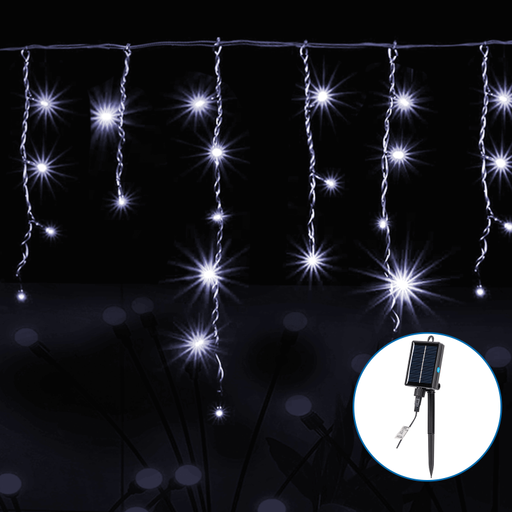
Why This Fits Their Persona: Ideal for anyone wanting to transform a balcony, pergola, or fence into an atmospheric space. Decoration is the main goal here, not bright illumination.
These string lights have an IP65 rating, allowing them to sidestep the "not weather-ready" trap. They are designed to withstand the elements and last longer.
With 8 different lighting modes, you can customise the atmosphere. The specified runtime of 8-12 hours after a 4-6 hour charge is more than enough for long summer evenings.
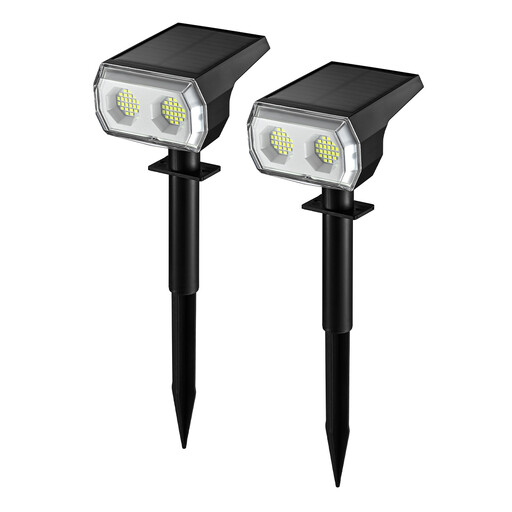
Why This Fits Their Persona: This user wants to functionally and stylishly light up a garden path, driveway, or specific plants without any hassle. The focus is on targeted, reliable lighting.
As spotlights, these lamps provide directed light. This avoids the pitfall of diffuse, weak light that fails to properly illuminate a path. The warm white light ensures visibility without being harsh.
This set comes as a 2-pack. This allows you to immediately create symmetrical and consistent lighting along a path or on either side of an entrance.
We have compiled a complete, up-to-date list of products that fully meet these strict selection criteria and local regulations.
Most solar lights need at least 4 to 6 hours of direct sunlight to fully charge the battery for an evening of light. The exact charging and operating time depends on the lamp's specifications and the amount of sun on any given day. Always place the solar panel in a spot where it will catch the most sun during the day, ideally facing south.
The IP rating indicates the degree of protection against solid particles (first digit) and liquids (second digit). For durable outdoor lighting in a variable climate, IP44 (splash-proof) is the minimum. For lights fully exposed to rain, IP65 (jet-proof) or higher is a better choice for a longer lifespan.
This is possible with many models. They often use standard rechargeable batteries (like AA or AAA NiMH). Check the product description or manual to see if the battery is replaceable. Replacing the battery after a few years can significantly extend the life of your solar lighting.
