
Vandaag of morgen in huis

Kwaliteit gegarandeerd

Welkomstaanbiedingen ontgrendelen: GRATIS bezorging | Tot 80% korting | Gratis 30 dagen JoyPlus-proefperiode
Download de app
Solar-powered garden lighting sounds ideal: no fussing with cables, no extra energy costs, and a sustainable choice. Yet, the search often ends in disappointment. A lamp that gives off only a faint glow after a few weeks, or a string of lights that doesn't survive the first autumn downpour. Sound familiar?
Before you spend your money, it's wise to know the pitfalls. Common problems can often be traced back to three factors that manufacturers aren't always transparent about:
Fortunately, you can easily avoid a bad purchase by paying attention to a few concrete specifications.
Marketing terms mean little. The specifications on the product page tell the real story. Pay close attention to the following three points to choose the right solar lighting for your outdoor space.
The brightness of a lamp is expressed in lumens. This number is an objective measure of the amount of light a lamp emits. Don't be swayed by vague descriptions like "atmospheric" or "bright."
The IP rating indicates how well a product is protected against dust and water. For outdoor lighting, this is a crucial factor.
The performance of a solar lamp depends on the balance between the battery and the solar panel. The battery capacity is expressed in milliampere-hours (mAh). A higher value means the battery can store more energy. A larger or more efficient solar panel charges that battery faster, even on a cloudy day. For reliable, sustainable garden lighting, a battery of at least 800mAh is a good starting point for string lights and wall lamps.
Not every lamp is suitable for every situation. Below is a selection of products that fit different needs, based on their specifications.
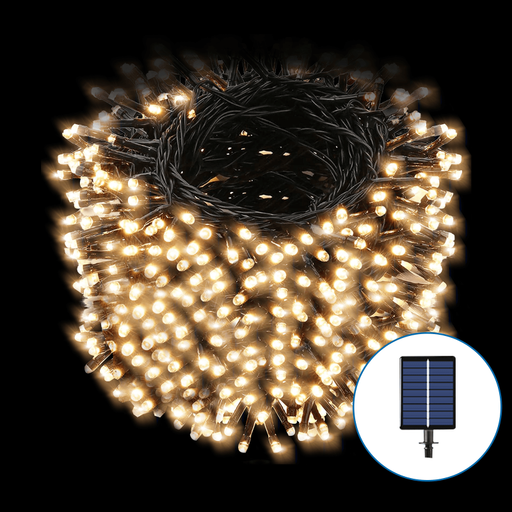
Why This Fits Their Persona: Ideal for those who want to transform a balcony, terrace, or pergola into a cozy space. This solar string light provides warm light and is purely focused on atmosphere, not bright illumination. Perfect for long summer evenings.
With an IP65 rating, this string light is fully resistant to heavy rain. The 800mAh battery provides a runtime of 8-12 hours according to the manufacturer, more than enough for an evening.
Choose from 8 different light modes for variety. Installation is simple: place the panel in the sun, and you're done.
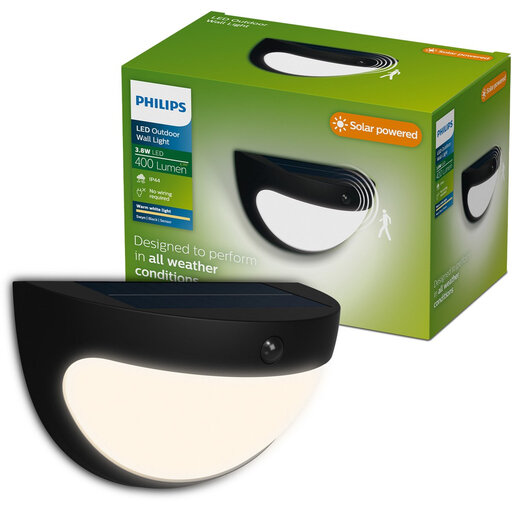
Why This Fits Their Persona: Seeks a reliable solar-powered outdoor light for the front or back door. Safety and convenience are paramount. The light must turn on automatically with motion and provide sufficient illumination.
The built-in motion sensor ensures the battery isn't drained unnecessarily. At 400 lumens, this lamp provides a serious amount of functional light, far more than a simple decorative lamp.
This solar wall light with a sensor operates fully automatically. The IP44 rating is sufficient for wall mounting under the eaves.
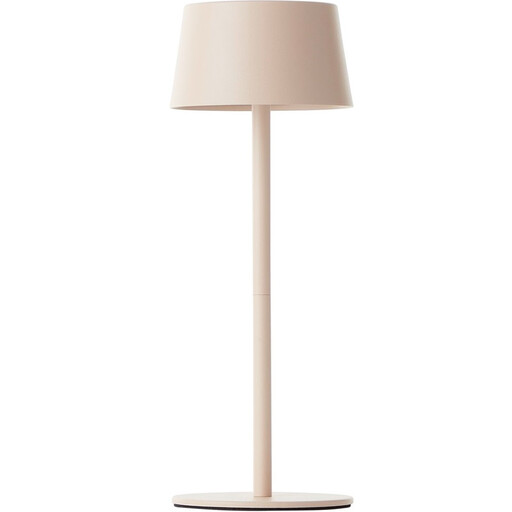
Why This Fits Their Persona: Wants a stylish, wireless lamp that can be placed anywhere: on the garden table during dinner, next to the lounge set, or even indoors. Flexibility and design are key.
The dual charging option (solar and USB) makes this lamp reliable, even after a week of cloudy weather. You're not completely dependent on the sun, which bypasses the pitfall of a dead battery.
Dimmable in 3 steps to adjust the atmosphere. The IP44 rating makes it suitable for outdoor use in a sheltered spot.
We have compiled a complete, up-to-date list of products that meet these selection criteria and quality standards.
Most solar lamps require at least 4-6 hours of direct sunlight to fully charge the battery. Therefore, place the solar panel in a spot that is not in the shade during the day. Performance in winter, with shorter and darker days, will always be less than in summer. A model with an efficient panel and a large battery generally performs better throughout the year.
The IP (Ingress Protection) rating consists of two digits. The first digit (0-6) indicates protection against solid objects and dust. The second digit (0-9) indicates protection against moisture. For an outdoor lamp, IP44 (splash-proof) is the minimum. For lamps that are completely exposed to the elements, like garden spotlights, IP65 (water-jet resistant) or higher is a safer choice.
In many models, the rechargeable battery (often a standard AA or AAA type) can be replaced. This is usually stated in the product description or manual. If the lamp's runtime diminishes after a few years, replacing the battery can be a simple and inexpensive solution to extend its lifespan. This is often not possible with models that have a fully integrated battery.
