
Vandaag of morgen in huis

Kwaliteit gegarandeerd

Welkomstaanbiedingen ontgrendelen: GRATIS bezorging | Tot 80% korting | Gratis 30 dagen JoyPlus-proefperiode
Download de app
A bottle of Chinese soy sauce may seem like a simple choice, but there’s a big difference between light, dark and sweet varieties. Choose the wrong sauce and your stir-fry could end up too salty, your marinade may lack depth or your stew could become unnecessarily sweet.
Terms such as ‘premium’, ‘traditionally brewed’ and ‘authentic flavour’ don’t always tell you how a sauce will perform in the kitchen, either. So check the ingredients, nutritional information, quantity and recommended uses.
Light soy sauce is generally used to add flavour and umami without making a dish much darker. It works well in stir-fries, marinades, soups and dipping sauces.
Dark soy sauce is thicker and darker. It’s mainly used to add colour, sweetness and extra depth to stews, glazed dishes and marinades. Even a small amount can make a visible difference.
‘Premium soy sauce’ isn’t a universal quality standard. Check the ingredients list and look at the amounts of soya, wheat, sugar and salt, as well as any colourings or flavour enhancers. Fermented soy sauce may have a more complex flavour, but that doesn’t automatically make it suitable for every recipe.
A 750 ml or 1 litre bottle can be good value for a household that often cooks Asian food. For occasional use, a smaller bottle is more practical. Storage advice varies from product to product once opened. Some sauces need to be refrigerated, while others mainly need to be kept tightly sealed in a dry place.
First, choose based on the dish:
Thai soy sauce can differ in flavour and use from Chinese light soy sauce. For example, according to the product information, Healthy Boy Black Soy Sauce contains mainly molasses, water and salt, with a smaller amount of soy sauce. This makes it particularly useful for adding colour and sweetness, rather than as a direct substitute for every light soy sauce.
Soy sauce is often high in salt. Compare the nutritional information per 100 ml and use a small amount when cooking before adding extra salt. For example, Lee Kum Kee Premium Light Soy Sauce lists 18 grams of salt per 100 ml, while the same brand’s Premium Dark Soy Sauce lists 12 grams of salt per 100 ml.
Look out for sweeteners and sugars, too. According to the product description, Healthy Boy Sweet Soy Sauce Red contains sugar, brown sugar and glucose syrup, among other ingredients. This makes it a more natural choice for marinating, grilling or dipping than for a dish where you’re looking for savoury flavour alone.
Don’t just look at the price; check the price per 100 ml or 100 grams, too. Also check:
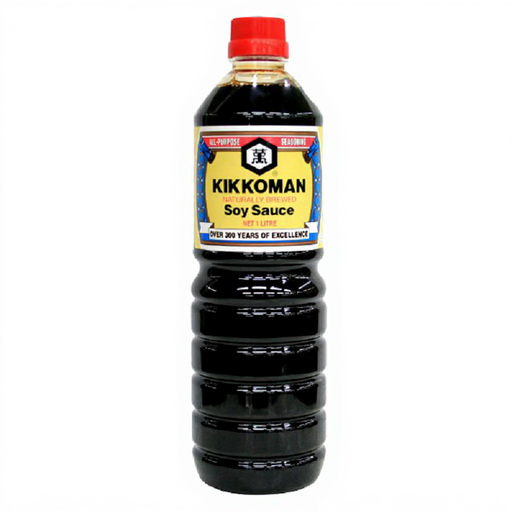
Why it suits this cooking style: A generous bottle for anyone who regularly stir-fries, marinates or uses soy sauce as an everyday seasoning.
The product information lists a short ingredient list of water, soya, wheat and salt, so you can see exactly what you’re buying.
1 litre; suitable for a wide range of dishes; 16.9 grams of salt per 100 ml according to the product information.
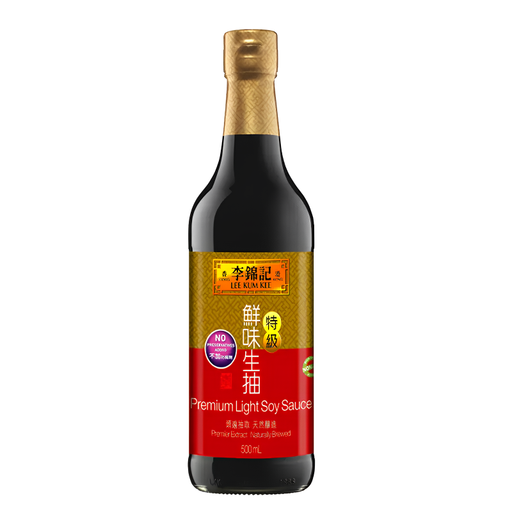
Why it suits this cooking style: A light Chinese soy sauce for cooks looking for one bottle to use for dipping, marinating and cooking.
Its uses are clearly described and the bottle holds 500 ml, making it a practical choice if you want variety without buying a large bottle.
According to the product description, it’s fermented with defatted soya beans and wheat; suitable for cooking, marinating and dipping.
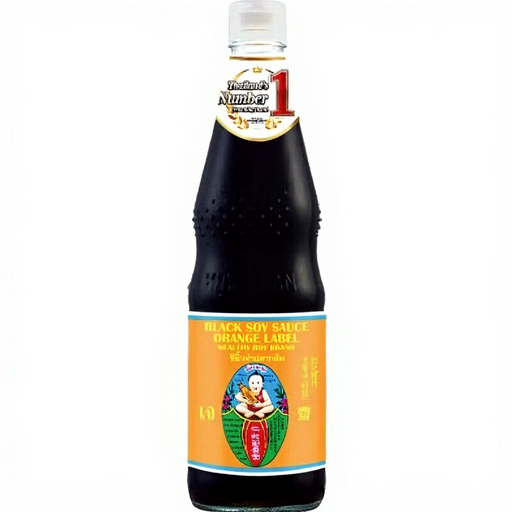
Why it suits this cooking style: Made for Thai and South-East Asian dishes where you want colour and a richer, sweeter sauce.
The ingredients list states that it contains 70% molasses, so you can expect a dark colour and sweeter flavour.
960 grams; suitable for marinating and seasoning; clearly positioned as a dark Thai soy sauce.
We’ve put together a complete, up-to-date list of products that meet these strict selection criteria and comply with current European safety regulations.
Light soy sauce mainly adds savoury flavour and umami. Dark soy sauce is usually thicker, sweeter and darker in colour. Use light soy sauce for stir-fries and dips; use dark soy sauce sparingly in stews, marinades and dishes where colour matters.
Light soy sauce is generally a practical base for a dipping sauce. You can mix it with rice vinegar, sesame oil, garlic or chilli. Sweet soy sauce works better with grilled meat, chicken or duck, or dishes where you want a milder sweet-and-savoury dip. Always check the ingredients and salt content before adding extra seasonings.
Follow the instructions on the label. Usually, the bottle should be tightly sealed and stored in a cool, dry place. Many products recommend refrigerating the sauce after opening to preserve its quality. Use a clean pouring spout, keep it out of direct sunlight and, if in doubt, check the smell, colour and use-by information on the packaging.
