
Vandaag of morgen in huis

Kwaliteit gegarandeerd

Welkomstaanbiedingen ontgrendelen: GRATIS bezorging | Tot 80% korting | Gratis 30 dagen JoyPlus-proefperiode
Download de app
Buying soft drinks may seem straightforward, but the range varies considerably in flavour, ingredients, size and packaging. If you focus only on an eye-catching label or a low price per item, you could end up with a drink that does not suit your household. This applies whether you are choosing a bottle of fruit drink, ordering soft drinks online in cans or buying multipacks with international flavours.
These points will help you make an informed choice without treating marketing claims as established facts.
Fruit drinks, fruit juice and squash are not the same thing. Check the ingredients list to see how much fruit juice or fruit purée has actually been added. For example, Wicky Raspberry Fruit Drink contains 0.2% raspberry juice from concentrate, while Maaza Guava Fruit Drink contains 16% guava juice from concentrate according to the product information.
The name and image on the front of the packaging therefore do not always give an accurate impression of the contents. Also check the nutritional values per 100 ml, especially when comparing different drinks.
A sugar-free soft drink may contain sweeteners. For example, Coca-Cola Zero Sugar Caffeine Free Cola lists aspartame and acesulfame-K as sweeteners. According to the product information, the drink contains 0 grams of sugar and 0.3 kcal per 100 ml. Regular Coca-Cola Zero Sugar also contains 0 grams of sugar, but lists caffeine among its ingredients.
When choosing a low-sugar soft drink, do not just look at the front of the pack. Also check:
A soft drink multipack containing 24 cans can be useful for a family, office or party. However, you may end up paying for more stock than you need. Compare the price per litre, rather than just the price of the pack. Also check the best-before date and the storage space available.
For occasional use, a 1.5-litre bottle may be more practical. For portions on the go or serving chilled, cans ranging from 200 to 355 ml are often more convenient.
Always use the values per 100 ml to compare products fairly. A 330 ml can contains approximately 3.3 times the amount stated on the label per 100 ml. A drink containing 10 grams of sugar per 100 ml therefore contains around 33 grams of sugar per can.
Examples from the range:
These figures say nothing about personal preference, but they make the difference between low-sugar soft drinks, regular soft drinks and fruit drinks clear.
Choose the packaging based on when you plan to use the drink:
After opening, product descriptions generally recommend refrigeration and consumption within the stated period. Also check that the cap, seal or packaging is undamaged.
If you are looking for international soft drinks, you can choose one with a clearly defined flavour profile. According to the product description, Jarritos Watermelon has a watermelon flavour and gentle carbonation, and is described as a Mexican-inspired soft drink made with cane sugar. Calypso Yuzu Lychee Lemonade combines yuzu, lychee and lemon. Fernandes Green Punch is a carbonated drink with a tropical fruit profile.
When choosing exotic soft drinks, always check the ingredients, nutritional values, language on the packaging and any allergens. An unusual flavour is no reason to overlook the product specifications.
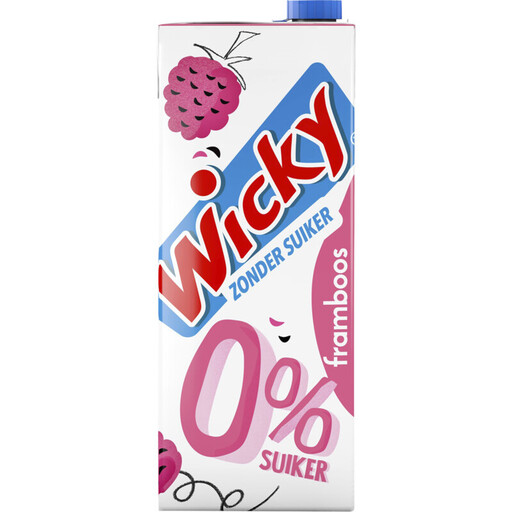
Why it suits this profile: The 1.5-litre bottle is suitable for home use, and the product information states that it contains less than 0.1 grams of sugar per 100 ml.
The nutritional information makes it clear that this is not a regular sugar-sweetened raspberry drink. The ingredients list does include sweeteners, allowing you to make an informed choice.
1.5-litre capacity, 1 kcal per 100 ml and added vitamin E according to the product information.
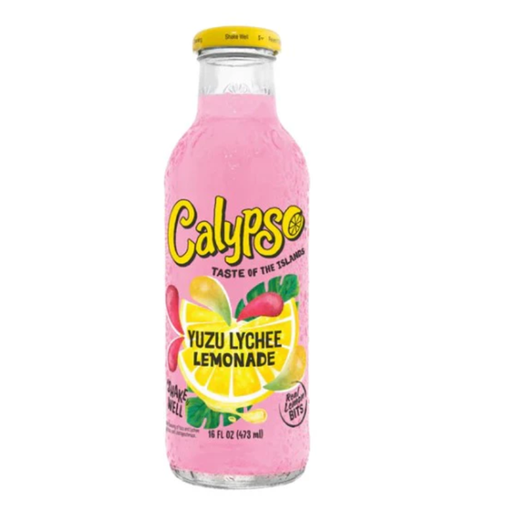
Why it suits this profile: For those looking for a distinctive international flavour rather than a standard cola or lemon drink.
The product information specifically identifies yuzu, lychee and lemon. It also lists the nutritional value: 11 grams of sugar per 100 ml.
473 ml capacity, a combination of three named flavour components and an unusual flavour profile.

Why it suits this profile: The multipack of cans is ideal for households, parties and occasions when you want a caffeine-free cola.
The packaging states both zero sugar and caffeine free. This makes it easier to check the difference between this product, regular cola and standard cola zero before buying.
24 cans of 330 ml, 0 grams of sugar and 0.3 kcal per 100 ml according to the product information.
We have put together a complete, up-to-date list of products that fully meet these strict selection criteria and the applicable European safety regulations.
Compare the sugar content per 100 ml and check whether the product contains sweeteners. According to the product information, Wicky Raspberry Fruit Drink and Coca-Cola Zero Sugar Caffeine Free Cola contain 0 or virtually 0 grams of sugar. This makes them low-sugar or sugar-free options, but the ingredients and your personal taste remain important factors.
That depends on the promotional price and delivery costs. Divide the total price by the number of litres or cans, then compare the result with individual packs. Also consider storage space, shelf life and whether you will use the full quantity in time.
Check the flavour, size, origin, ingredients, allergens and nutritional values. When choosing an alcohol-free drink, it is also advisable to check the product category and alcohol content. For example, Malta Guinness is a non-alcoholic malt drink, while a product described as an “exotic fruit-flavoured drink” is not automatically alcohol-free. The packaging remains the leading source for the latest information.
