
Vandaag of morgen in huis

Kwaliteit gegarandeerd

Welkomstaanbiedingen ontgrendelen: GRATIS bezorging | Tot 80% korting | Gratis 30 dagen JoyPlus-proefperiode
Download de app
Searching online for soft drinks and fruit drinks may seem straightforward, but product names and eye-catching claims do not always tell the whole story. For example, tropical packaging may contain only a small amount of fruit juice. A multipack, can and bottle can also differ considerably in price and convenience per serving.
This practical buying guide helps you compare exotic soft drinks, fruit juice, juice drinks and carbonated fruit drinks based on the factors that really matter in UK households.
Passion fruit drink, mango drink and guava drink may sound fruity, but the proportion of juice or purée varies from one product to another. Always check the ingredients list and look at the percentage of fruit juice. If water and sugar or sweetener appear first, the product is not the same as fruit juice with a high fruit content.
According to the product information, Iam Superjuice Passionfruit Drink contains 30% natural passion fruit juice. According to the label, Oasis Apple Cassis Raspberry contains 12% fruit juice from concentrate. Both are fruit drinks, but they have a different profile and create different expectations in terms of taste.
A fruit drink with no added sugar may still contain naturally occurring sugars from fruit. Always check the nutritional values per 100 ml as well as the contents of the full pack. Iam Superjuice Passionfruit Drink lists 17 kcal per 100 ml and no added sugar. This is a verifiable product characteristic, but it is not a general statement about whether the drink is suitable for every diet.
It is equally sensible to read the ingredients list for soft drinks containing sweeteners. According to the product information provided, Sprite Zero Sugar contains sweeteners and a source of phenylalanine. If this information is important to you, check the current packaging before buying.
A tray of cans is handy for a party, office or pantry, but takes up more space than individual bottles. A 1 or 1.5-litre bottle is better suited to a meal shared by several people, while a can or pouch may be more convenient when you are out and about.
Also consider how the drink is opened and stored. Many fruit drinks need to be refrigerated after opening and used within the period stated on the packaging. Products containing milk ingredients, such as Taksi Tropical Fruit Juice, require extra attention to allergens and refrigeration.
Do not compare just the flavour name. Also look at:
A juice drink is generally formulated differently from fruit juice. The legal product name and ingredients list on the packaging are the deciding factors. Marketing terms such as “tropical” or “natural” are not, on their own, an indication of the fruit content.
European nutrition labelling makes comparisons easier. Pay particular attention to:
Compare like with like. A 330 ml can contains more than three times the nutritional values listed per 100 ml. According to the product information, Bundaberg Passionfruit contains 12 grams of sugar per 100 ml; a 375 ml can therefore contains more than the amount shown in the table per 100 ml.
For everyday use, 230 ml or 250 ml packs can be convenient. A 1-litre carton makes more sense at home with breakfast or a meal. For a party, a 6- or 12-pack of soft drinks in cans may be more efficient.
Also check whether the product needs to be delivered chilled or served chilled. “Best served chilled” is a serving suggestion; it does not replace the official storage instructions on the label.
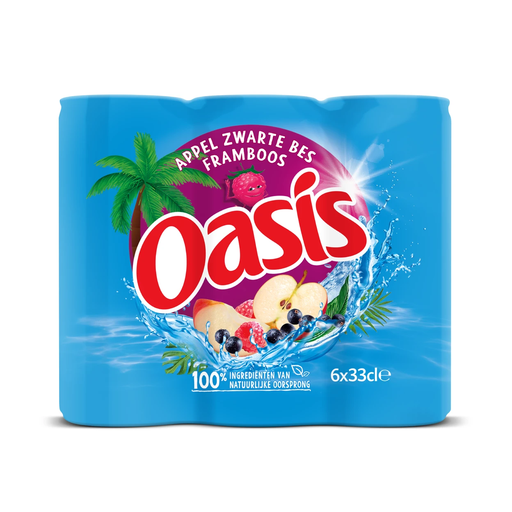
Why it suits this profile: The pack of six cans provides a manageable quantity for home, on the go or at a small gathering. The combination of apple, blackcurrant and raspberry is ideal for anyone looking for a fruity, non-tropical flavour.
The product information states the fruit juice percentage and the individual fruit varieties. This allows you to compare the fruit claim with the ingredients list.
6 x 330 ml; 31 kcal and 7.4 grams of sugar per 100 ml according to the product information; none of the 14 main EU allergens listed.

Why it suits this profile: This is a focused choice for fans of a distinctive passion fruit flavour who want to stock up on cans.
The product description states both 30% natural passion fruit juice and “no added sugar”. You can check this information on the packaging.
12 x 330 ml; 17 kcal per 100 ml according to the product information; suitable for serving chilled.
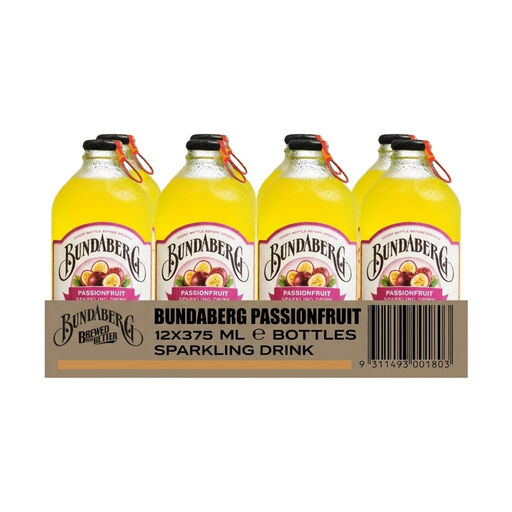
Why it suits this profile: The box of twelve bottles is practical for parties, shared supplies or occasions when you need several servings.
The volume, serving size and nutritional values are clearly stated. This allows you to match the quantity to the number of people using it.
12 x 375 ml; passion fruit flavour; carbonated and, according to the product information, free from the 14 main EU allergens.
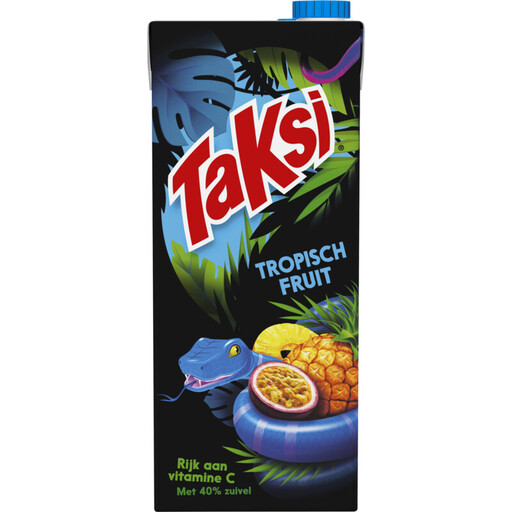
Why it suits this profile: The 1.5-litre format is well suited to serving at the table, breakfast or family occasions. The flavour combines tropical fruit with dairy ingredients.
The product information explicitly lists milk as an allergen. This ensures the tropical presentation does not overshadow the ingredients.
1.5 litres; 34 kcal and 7.9 grams of sugar per 100 ml according to the product information; vitamins C and D stated on the label.
If you would rather try a guava drink, mango drink or exotic soft drink, you can also look at Maaza Guava, Dimes Mango Drink, Calypso Yuzu Lychee Lemonade or FOCO Guanabana Drink. For a playful texture, Mogu Mogu with nata de coco is another option. Take extra care to check the ingredients, sugar content and any colourings in these products.
We have put together a complete, up-to-date list of products that fully meet these strict selection criteria and the applicable European safety regulations.
Fruit juice and juice drinks do not necessarily have the same composition. Check the legal product name, fruit percentage and ingredients list. A drink containing a lot of water, sugar or sweeteners may have a lower fruit content than its name suggests.
According to the product information, Iam Superjuice Passionfruit Drink contains no added sugar and 17 kcal per 100 ml. This does not mean that the drink contains no naturally occurring sugars. Always check the current packaging and nutrition table.
This varies from product to product. In general, refrigerate an opened drink when instructed on the label and use it within the stated period. If in doubt, follow the storage and shelf-life instructions on the packaging.
