
Vandaag of morgen in huis

Kwaliteit gegarandeerd

Welkomstaanbiedingen ontgrendelen: GRATIS bezorging | Tot 80% korting | Gratis 30 dagen JoyPlus-proefperiode
Download de app
Buying soft drinks seems straightforward—until you have to choose between Japanese ramune, cola, lemonade, sparkling mineral water or a multipack. An eye-catching label does not always tell you everything you need to know. If you focus only on the flavour name or discount, you may end up with a drink that does not suit the occasion, preferred serving size or sugar intake.
These considerations will help you compare international soft drinks online with confidence.
Words such as “fruity”, “light” or “refreshing” mainly describe how a drink is positioned. They do not provide a complete picture of its ingredients. For example, a fruit-flavoured soft drink may contain sugar, glucose syrup and sweeteners. Always check the nutritional information per 100 ml and the ingredients list.
For example, HATA Original Ramune lists 8.5 grams of sugar per 100 ml. The drink contains water, sugar, glucose-fructose syrup, carbon dioxide, citric acid and flavouring. Japanese ramune is therefore best suited to a sweet treat or themed party rather than as a neutral thirst quencher.
A soft drink multipack is practical for birthdays, sports clubs, offices or catering use. However, 24 x 330 ml is not always convenient for a household where only an occasional can is enjoyed. Consider the total volume, best-before date and available storage space.
For a small gathering, a pack of 6 x 200 ml or a few individual bottles may make more sense. For a party with many guests, canned soft drinks and tray packs are particularly efficient: they are easy to chill and hand out.
With Japanese soft drinks, the packaging sometimes plays an important role. Ramune comes in a distinctive bottle sealed with a glass marble. The bottle should be opened on a flat, stable surface. Supervise young children and do not attempt to remove the marble.
Check that the seal is intact with every order. Damaged, leaking or deformed packaging is best not used.
Compare products based on their nutritional values per 100 ml. This prevents an inaccurate comparison between a 200 ml bottle and a 330 ml can. In addition to sugar, check for sweeteners and caffeine.
According to the product information, Coca-Cola Zero Sugar contains 0 grams of sugar and 0 kcal per 100 ml, but it does contain aspartame, acesulfame-K and a source of phenylalanine. Sprite Zero Sugar also lists 0 grams of sugar per 100 ml and contains sweeteners. If you have an allergy or sensitivity, always check the current label.
Choose the size according to how you intend to use it:
Glass bottles offer a different serving experience from cans, but they are heavier and breakable. Cans are stackable and easy to keep chilled.
International soft drinks may contain ingredients you do not immediately expect, such as glucose syrup, colourings, preservatives or caffeine. Product information can vary by market or packaging. Under EU rules, the current packaging should be treated as the authoritative source for ingredients, allergens, nutritional values and shelf life.
When a brand makes a product claim, “according to the brand’s own research” is not a general guarantee. Instead, look for verifiable information on the label, such as country of origin, net volume and nutritional values.
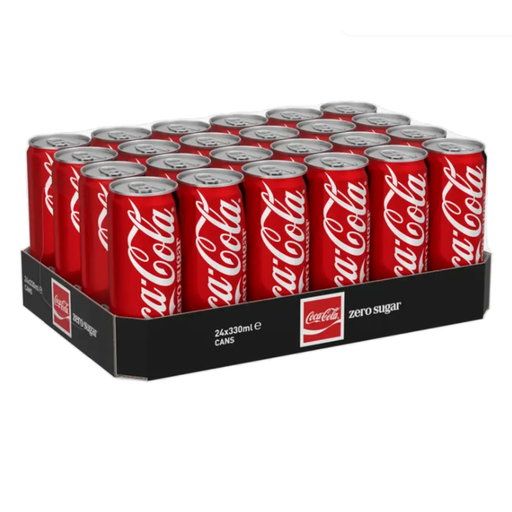
Why it works: A tray of standard cans is easy to manage at home, when entertaining or for a small event. The product information states 0 grams of sugar and 0 kcal per 100 ml.
You are not paying for a small individual pack—you are buying 24 servings with the same volume.
330 ml cans, ideal for chilling, taking on the go and serving. Contains sweeteners and a source of phenylalanine; check the label.
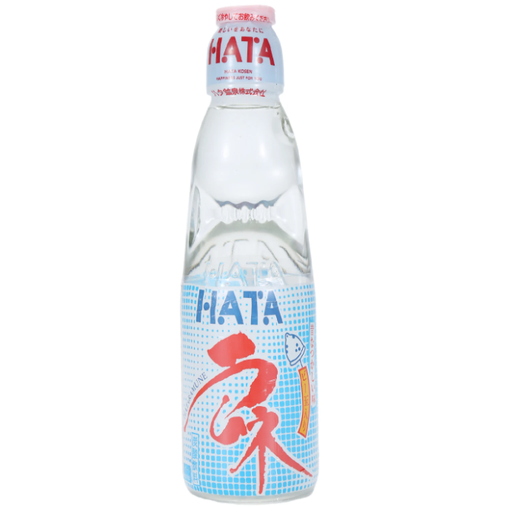
Why it works: This Japanese soft drink combines a bubblegum flavour with the traditional bottle and marble stopper. It is a natural fit for a themed party, gift or tasting session.
You are deliberately choosing 200 ml and a distinctive opening experience rather than a large can for everyday use.
Made in Japan, 200 ml per bottle and free from the 14 major EU allergens according to the product information.
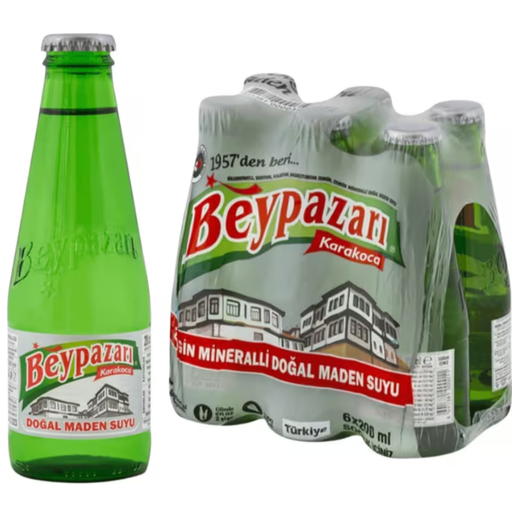
Why it works: If you are looking for sparkling mineral water without flavourings, this Turkish option is a refreshing alternative to sweet soft drinks with meals or in cocktails.
You will not mistake mineral water for a flavoured soft drink: the ingredients list contains only naturally sparkling mineral water.
Six 200 ml glass bottles, with 0 kcal and 0 grams of sugar per 100 ml according to the listed product details.
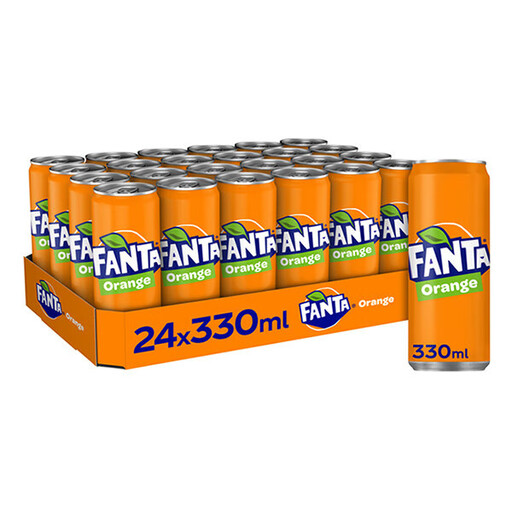
Why it works: A tray of 24 cans is practical for birthdays, picnics, canteens and catering environments where quick service matters.
You choose a fixed number of servings and can calculate in advance how many cans you need.
24 x 330 ml, with orange flavour and 5.6 grams of sugar per 100 ml according to the product information.
Browse the current carbonated drinks range and compare flavours, pack sizes and nutritional values before ordering.
Ramune is a natural starting point for anyone discovering Japanese soft drinks. HATA Original, Lychee, Strawberry and Melon Ramune are available in 200 ml bottles. Choose Original for a bubblegum flavour, or try a fruit variety if you prefer something sweet and tangy. Read the opening instructions beforehand because of the marble stopper.
No. Sugar-free soft drinks often contain sweeteners to provide flavour. Coca-Cola Zero Sugar lists aspartame and acesulfame-K, among other ingredients. According to the product information, Sprite Zero Sugar also contains sweeteners and a source of phenylalanine. Always check the full ingredients list.
Store unopened cans and bottles in a cool, dry place away from direct sunlight and heat. Once opened, soft drinks should be refrigerated and preferably consumed within the period indicated on the packaging. When your order arrives, check the seal, packaging and best-before information.
