
Vandaag of morgen in huis

Kwaliteit gegarandeerd

Welkomstaanbiedingen ontgrendelen: GRATIS bezorging | Tot 80% korting | Gratis 30 dagen JoyPlus-proefperiode
Download de app
Buying soft drinks online is practical when you need supplies for home, work, a party or while you’re out and about. You can quickly see which products are available by the can, tray or multipack. However, a low price per item can be misleading. A pack of 24 cans may seem like good value, but it’s less convenient if you have limited storage space or only want to try a flavour once.
Terms such as zero sugar, sugar-free and no added sugar do not automatically mean the same thing either. Always check the nutritional information, ingredients and total volume before placing your order.
A drink can contain no sugar and still have a different nutritional profile. Check the table per 100 ml, rather than just the front of the packaging. For example, the product information for some zero-sugar drinks states 0 grams of sugar, while other light drinks may still contain a few kilocalories or carbohydrates per 100 ml.
Also check which sweeteners are used. Products containing aspartame contain a source of phenylalanine. This is stated, for example, for Coca-Cola Zero Sugar Caffeine Free and various Pepsi Zero Sugar products. People with phenylketonuria should check the packaging and warnings particularly carefully.
A fruit drink with no added sugar may still contain naturally occurring sugars from fruit. For a product containing 30% passion fruit juice, such as Iam Superjuice Passionfruit Drink, the claim “no added sugar” therefore does not mean the same as “0 grams of sugar”. Check the nutritional information and the percentage of fruit juice.
The distinction also matters with coconut water: the product information for Iam Superjuice Coconut Water states that it contains 100% pure coconut water, 2% coconut pieces and no added sugar. This does not mean that it has the same flavour or nutritional profile as sparkling water.
A 24-pack of soft drinks often contains 7.92 litres when it consists of 330 ml cans. A tray of 12 cans contains 3.96 litres. So calculate the price per litre and consider the packaging too:
Check at least these three lines per 100 ml:
In zero-sugar soft drinks, sugar is often replaced with sweeteners. This can affect the flavour. So read the ingredients list too. Products may contain aspartame, acesulfame-K, sucralose or saccharin, among other ingredients.
One example is Coca-Cola Zero Sugar Caffeine Free Cola: the stated nutritional value is 0 grams of sugar and 0.3 kcal per 100 ml. According to the product information, the drink contains no caffeine. Regular Coca-Cola Zero Sugar Soda, on the other hand, lists caffeine among its ingredients. This difference matters if you’re looking for a soft drink for the evening or for children.
Don’t just compare “12 items” with “24 items”. Look at both the number of units and the volume per unit. A tray of 12 330 ml cans contains half the amount of a 24-pack in the same can size.
A 24-pack can be efficient for a party or office supplies. For trying a new tropical fruit drink, a 12-pack involves less risk. Also check whether the product is supplied as an individual bottle, tray or several boxes.
Cola, lemon-lime, orange, blackcurrant and tropical flavours are not interchangeable. Choose according to how you plan to use the drink:
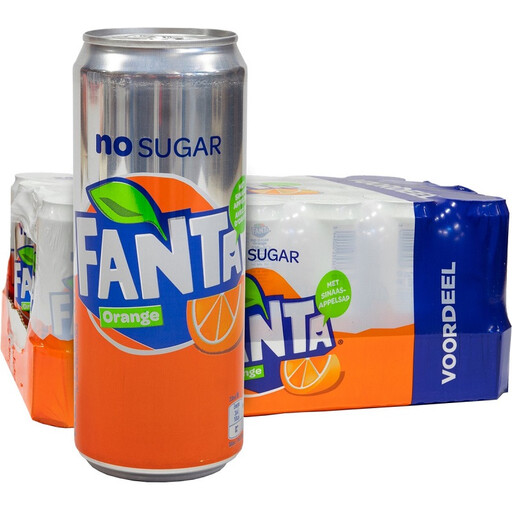
Why it suits this profile: A 24-pack of 330 ml cans provides a clear supply for home or entertaining. The product name states No Sugar; check the current nutritional information on the packaging.
The packaging makes the quantity and format immediately clear. Before buying, also compare the price per litre and the ingredients list.
24 x 330 ml; orange flavour; cans are easy to serve chilled.

Why it suits this profile: This option is aimed at people looking for sugar-free cola who want to avoid caffeine, for example later in the day.
The product information explicitly distinguishes this variant from cola containing caffeine. Check the packaging upon delivery.
24 x 330 ml; 0 grams of sugar per 100 ml according to the product information; caffeine-free version.

Why it suits this profile: A supply of 12 cans is ideal for buyers who regularly want to serve a still, tropical-flavoured drink.
The product description states 100% coconut water, 2% real coconut pieces and no added sugar. This tells you exactly what you’re buying.
12 x 330 ml; no added sugar according to the product information; suitable for serving chilled.
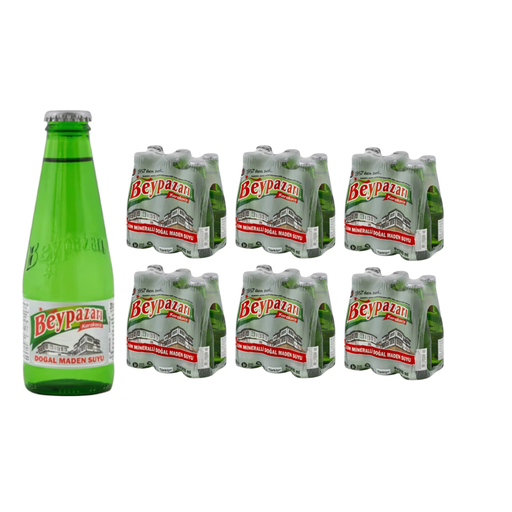
Why it suits this profile: The small bottles are suitable for serving in individual portions, for example with lunch, dinner or at a gathering.
Each bottle contains 200 ml, and the product information lists the mineral values. This lets you compare the size and composition clearly.
200 ml per bottle; sparkling mineral water; product information lists calcium, magnesium and bicarbonate.
We’ve put together a complete, up-to-date list of products that fully meet these strict selection criteria and the applicable European safety regulations.
It varies by product, pack size and delivery costs. A large multipack can reduce the price per litre, but only if you use the full quantity. So compare the total price including delivery with the supermarket price per litre.
As a rule, store unopened drinks in a cool, dry place away from direct sunlight, following the label instructions. Keep opened bottles in the fridge and consume them within the stated period. Unopened cans are easier to stack, but you should also observe the best-before date on the packaging.
Start by checking the nutritional information. A zero-sugar soft drink generally contains no sugar, but may contain sweeteners. A fruit drink with no added sugar may still contain natural sugars from fruit. If you’re looking for a neutral option, compare sparkling or mineral water with flavoured water.
