
Vandaag of morgen in huis

Kwaliteit gegarandeerd

Welkomstaanbiedingen ontgrendelen: GRATIS bezorging | Tot 80% korting | Gratis 30 dagen JoyPlus-proefperiode
Download de app
Buying soft drinks online seems straightforward: choose a flavour, compare the price and place an order. However, there are several pitfalls that can quickly make a stock-up disappointing. A low price may, for example, only apply when buying a large number of cans, while a smaller pack may work out cheaper per can for a household. Terms such as “zero”, “tropical” or “light” also do not automatically tell you anything about caffeine, sugar content or ingredients.
Use these checkpoints to compare soft drinks, energy drinks and alcohol-free drinks in a practical way. This will help you tailor your purchase to your family, office, party or catering business.
A 24-can soft drink multipack often looks attractively priced, but the total volume and price per can determine whether the purchase suits your needs. A box of 24 x 330 ml contains 7.92 litres. A tray of 12 x 330 ml contains half that amount. Therefore, always compare:
A large box is useful for a party or office, but less practical if you want to try a flavour first.
According to the product information, zero-sugar soft drinks contain no sugar, but they may still contain sweeteners and caffeine. For example, the product description for Pepsi Zero Strawberry & Cream Soda states that it contains caffeine. Coca-Cola Zero Sugar Caffeine Free, on the other hand, explicitly states that the product contains neither sugar nor caffeine.
So if you want to serve a drink in the evening or avoid caffeine, do not focus only on the word “zero”. Check the full product name and ingredients list.
A term such as “natural”, “refreshing” or “tropical” mainly describes how a drink is positioned. It does not automatically indicate how much fruit juice, sugar or sweetener it contains. For example, the available product information for a tropical soft drink such as Fernandes Green Punch states a sugar content of 10.2 grams per 100 ml. Mogu Mogu Blackcurrant contains 12 grams of sugar per 100 ml and nata de coco.
Therefore, use the nutritional information and ingredients as your starting point, rather than relying solely on the front of the can.
For individual use, 330 ml soft drink cans are a popular choice. They are easy to distribute and do not need to be resealed after opening. There are also 200 ml or 250 ml packs for children or smaller portions, such as Wicky Mango in a pack of 6 x 200 ml and Red Bull Sugar-Free in a pack of 24 x 250 ml.
Also pay attention to the number of items:
A wholesale-style soft drink pack is not always the right choice for a small household. Consider storage space, portability and how quickly you will use the drinks.
Check the table per 100 ml, rather than looking only at the values per can. This allows you to compare different formats fairly. For sugar-free soft drinks, check whether sweeteners such as aspartame, acesulfame K, sucralose or steviol glycosides are used. Products containing aspartame often state that they contain a source of phenylalanine, so always check the label.
For energy drinks, caffeine is an important purchasing criterion. The product information for Red Bull Sugar-Free states 32 mg of caffeine per 100 ml, or 80 mg per 250 ml can. This is an objective figure from the product specification. Therefore, do not use energy drinks as general thirst quenchers and follow the instructions on the packaging.
Choose a classic cola, lemon-lime drink, fruit drink, coconut water, water kefir or alcohol-free cocktail drink based on when you plan to serve it. If you have specific dietary requirements, check for allergens. LOTTE Milkis Melon, for example, contains milk and soya. Other products in the range state that they contain none of the 14 major EU allergens, but always check the current packaging before consumption.
When it comes to brand claims, the rule is simple: according to Iam Superjuice’s own product description, the Pink Guava drink contains 30% pink guava juice and no added sugar. Check the ingredients list and nutritional information on the product supplied, as labels can change.
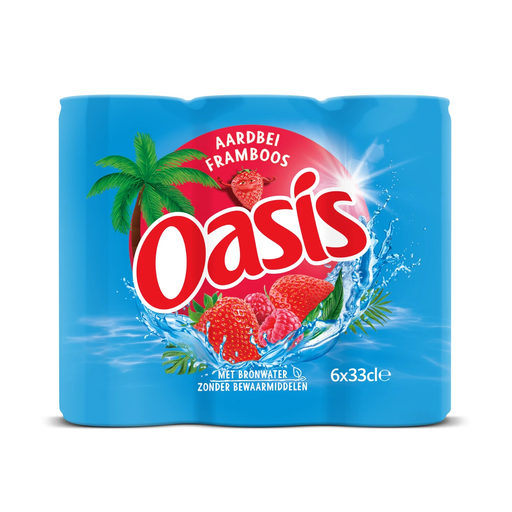
Why it suits this profile: A pack of six cans reduces the risk of being left with a large stock of an unfamiliar fruit flavour. The 330 ml size is well suited to individual servings.
The volume and number of items are clearly stated in the product name, allowing you to compare the quantity with larger multipacks in advance.
Six 330 ml cans; strawberry and raspberry flavour according to the product name.

Why it suits this profile: Ideal for anyone wanting a reliable supply of classic cola without sugar or caffeine, for example for an office, gathering or family with different serving occasions.
The product description mentions both zero sugar and caffeine-free. This prevents you from automatically interpreting “zero” as caffeine-free.
24 330 ml cans; according to the product details, 0 grams of sugar and 0 mg of caffeine per 100 ml.
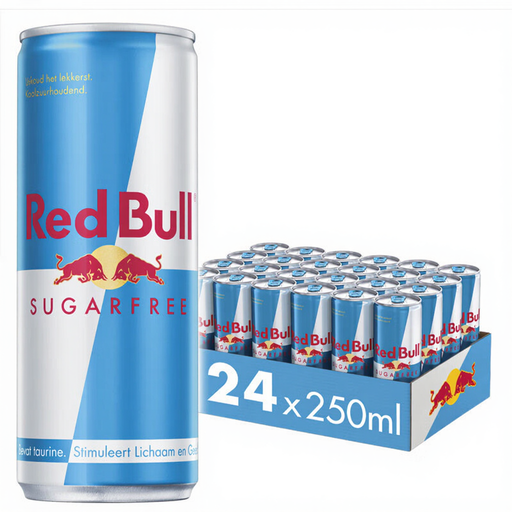
Why it suits this profile: A stock-up option for people who deliberately choose an energy drink in a consistent serving size for travelling, work or an event.
The product information states separately that the drink is sugar-free and contains caffeine. This means it cannot be confused with ordinary soft drinks.
24 250 ml cans; 32 mg of caffeine per 100 ml according to the nutritional information provided.
We have put together a complete, up-to-date list of products that fully meet these strict selection criteria and the applicable European safety regulations.
That depends on the price per item, volume, delivery costs and any deposit. A multipack can be practical if you regularly drink the same product. Always compare the price per litre and check whether the pack is suitable for your consumption.
For a larger group, boxes of 24 x 330 ml are easy to distribute. For children or short meetings, packs of 200 or 250 ml may be more practical. A mix of classic soft drinks, zero-sugar soft drinks and alcohol-free drinks gives guests more choice.
The exact date is stated on the can, bottle or tray. Store unopened soft drinks in a cool, dry place away from direct sunlight. Once opened, a product will generally need to be refrigerated and used within the period stated on the packaging. Always check the seal, smell and condition of the packaging before consumption.
