
Vandaag of morgen in huis

Kwaliteit gegarandeerd

Welkomstaanbiedingen ontgrendelen: GRATIS bezorging | Tot 80% korting | Gratis 30 dagen JoyPlus-proefperiode
Download de app
Choosing the right soft drink or fruit juice seems simple—until you’re standing in the beverage aisle. The packaging promises refreshment and fruity flavours, but the fine print often tells a different story. Many people get home with drinks that don't meet their expectations, are packed with sugar, or contain hardly any real fruit.
As a Product Recommendation Officer at Joybuy, I see the challenges consumers face every day. Two common pitfalls are:
This guide will help you better understand labels and make a choice that fits your needs, whether you're looking for convenient juice boxes for the kids or a sophisticated premium soda for yourself.
Before you fill your shopping cart, it's wise to check three key points. This will help you see through marketing claims and focus on what's really inside the carton or bottle.
This is one of the most important distinctions. The name on the packaging is legally defined and tells you a lot about the contents.
For those who are conscious of their sugar intake, the label is your most important tool. Look for the "of which sugars" line in the nutritional information table. This number indicates the total amount of sugar per 100 ml, both naturally occurring and added.
A sugar-free drink often contains sweeteners like sucralose, acesulfame-K, or stevia. These provide a sweet taste without the calories of sugar. This can be a good option if you're looking for healthier drinks with fewer calories.
Think about where and when you plan to use the drink.
To help you get started, we've highlighted some popular choices and matched them to different needs.
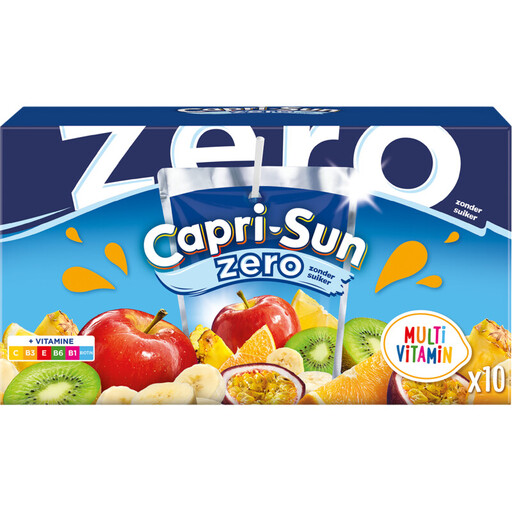
Why This Fits Their Persona: Ideal for parents looking for a convenient drink pouch for school or on the go, without the sugar. The single-serving packaging is practical, and the flavour is kid-friendly.
This product completely bypasses the sugar confusion. It's explicitly a sugar-free drink, sweetened with sweeteners, so you know exactly what you're getting.
Contains no sugar and is fortified with vitamins. The convenient pouches are easy to take with you.
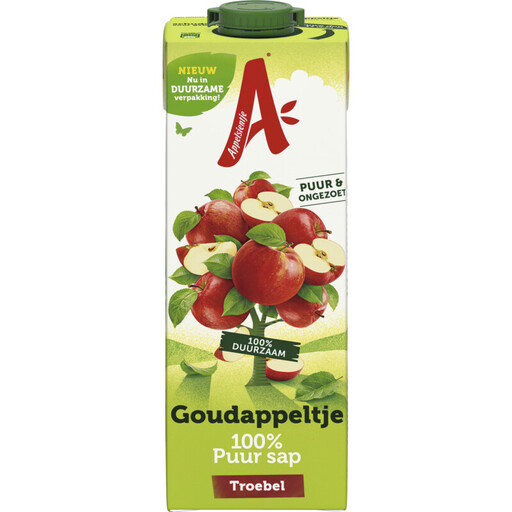
Why This Fits Their Persona: For those seeking a pure product with no additives. Perfect with breakfast or as a base for a smoothie. The focus is on the pure taste of fruit.
This product is a clear example of 100% fruit juice. It avoids the 'fruit' trap because its name and description guarantee it's pure juice, not a diluted drink.
Consists of 100% pure juice and contains no added sugars. Its cloudy nature indicates a less filtered, fuller-bodied juice.
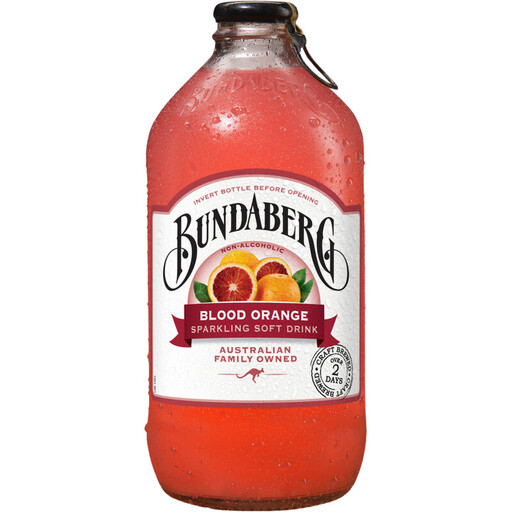
Why This Fits Their Persona: For those who want something different from the standard soda. This craft-brewed drink with real blood orange is perfect for social gatherings or a special occasion.
This product is honest about what it is: a soft drink. It doesn't pretend to be a health drink, but instead focuses on its unique flavour and brewing process using real fruit concentrate.
Craft-brewed for a deeper flavour. Made with real blood orange concentrate for an authentic, sweet-and-tart taste.
We have compiled a complete, up-to-date list of products that meet these selection criteria and all relevant regulations.
By law, fruit juice must consist of 100% juice. No sugars or colourings may be added. A fruit drink is a mix of juice, water, and often sugar or sweeteners and flavourings. The percentage of juice in a fruit drink can vary significantly, so always check the ingredients list.
A sugar-free drink contains fewer calories, which is an advantage for many people. These drinks use sweeteners to maintain their sweet taste. Whether this is a "better" choice depends on your personal preferences and dietary goals. It's an alternative for those who want to avoid sugar but still enjoy a sweet beverage.
Pay attention to three things:
