
Vandaag of morgen in huis

Kwaliteit gegarandeerd

Welkomstaanbiedingen ontgrendelen: GRATIS bezorging | Tot 80% korting | Gratis 30 dagen JoyPlus-proefperiode
Download de app
If you want to buy soft drinks and fruit juice, you will quickly come across a wide range of international drinks, Asian beverages and well-known brands. An attractive package does not always tell you enough about what is inside. For example, a fruit drink may contain less fruit juice than you expect, while a syrup can only be compared properly after dilution.
As a Joybuy Product Recommendation Officer, I filter product information according to practical considerations. This helps you quickly find the right drink for everyday use, a party or buying in bulk.
The terms may look similar, but they do not mean the same thing. Check the fruit percentage in the ingredients list. A drink made with water, sugar and flavouring is different from a product containing a high proportion of juice or fruit purée.
For example, Van De Boom Apple Juice states 70% fruit in the product information. The ingredients list fruit juice from concentrate, water and natural flavouring. This makes it a fruit drink rather than simply a bottle of pure apple juice.
With sugar-free soft drinks, sugar is often replaced with sweeteners. According to the product information, 7UP Zero Sugar contains aspartame and states that it is a source of phenylalanine. Fanta Lemon Zero lists aspartame, acesulfame-K and sodium saccharin.
So if you want to avoid sugar, make sure you also check the full ingredients list. Also pay attention to the nutritional values per 100 ml, rather than relying only on claims on the front of the pack.
A box of small bottles or cans can be useful for a party, but a larger pack takes up more storage space. Syrup works differently: according to the stated mixing ratio, a 600 ml bottle can make around 6 litres of drink. So compare the price per litre of prepared drink, not just the price per bottle.
Compare:
Van De Boom Apple Juice states 6.7 grams of sugar per 100 ml and no added sugar, according to the product description. This does not mean that the product is sugar-free. According to the ingredients and nutritional information, the sugars come from the fruit.
According to the label, Teisseire Tropical Squash contains sweeteners such as sucralose and steviol glycosides. The product states that it contains 1.5 grams of sugar per 100 ml. Karvan Cevitam syrup, on the other hand, contains sugar and approximately 55 to 56 grams of sugar per 100 grams of syrup. As you dilute the syrup, you should also check the nutritional values of the prepared drink.
A high fruit percentage can provide a more intense fruit flavour, but always check which fruit is actually listed. According to the product information, Maaza Mango Drink contains 17% mango purée, as well as water, sugar, lemon juice and other ingredients.
Huiyuan Peach Juice lists water, peach pulp and concentrated peach juice. Its nutritional value is 10 grams of sugar per 100 ml. This is useful information if you want to buy fruit juice for regular use.
With international drinks, ingredients, allergen information and storage instructions may vary from one package to another. The product page is a useful first check, but always read the physical label before drinking. This is particularly important if you have allergies or follow a specific diet.
Pay attention to the size and storage instructions:
IF Thailand Coconut Water is offered as 1 litre × 12. According to the product information, it consists of 100% coconut water and an opened package should be consumed within 48 hours. OKF Original Aloe Vera Drink comes in a box containing 12 bottles of 1.5 litres. According to the product information, the drink contains ingredients including aloe vera gel, fructose and grape flavouring.
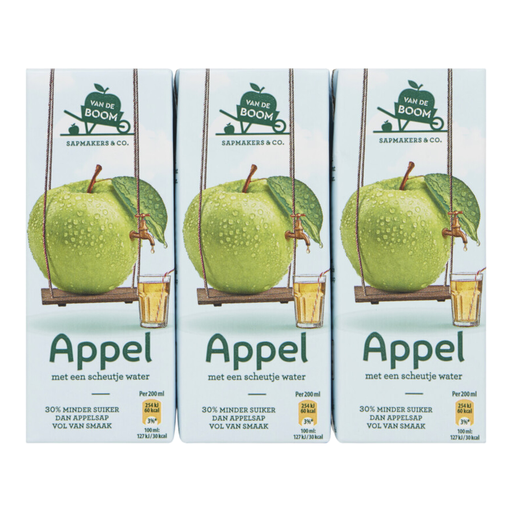
Why it suits this profile: A familiar apple flavour in a large carton, suitable for everyday use or a household where several glasses are served each day.
The product information clearly states the fruit percentage and nutritional values. ‘No added sugar’ is not confused with sugar-free: the drink contains 6.7 g of sugar per 100 ml.
70% fruit according to the product information, 1.2 litres of content and 29 kcal per 100 ml.
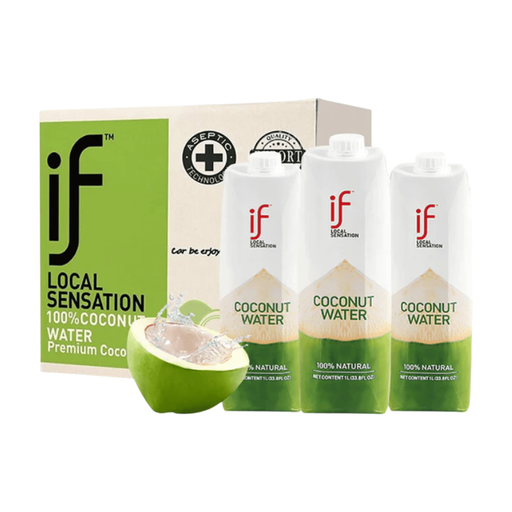
Why it suits this profile: For anyone looking for an Asian drink with a simple ingredients list who likes to buy in bulk.
The ingredients list states 100% coconut water, making it easy to distinguish this product from coconut drinks containing sugar, syrup or flavouring.
A box of 12 1-litre cartons; according to the product information, 21 kcal per 100 ml and no added sugar.
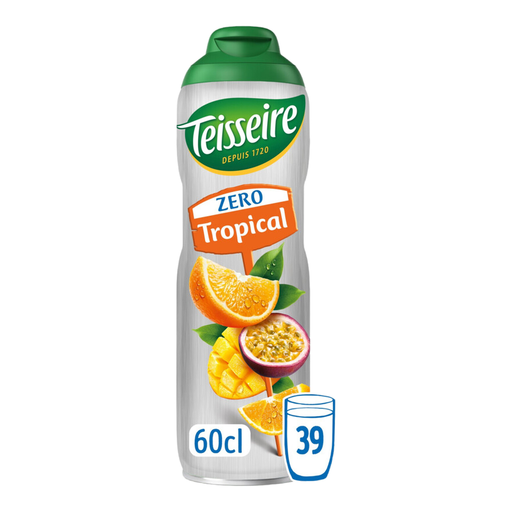
Why it suits this profile: Ideal for families, parties and households that want to control the strength of their squash themselves.
The stated dilution ratio makes the yield easier to compare than the bottle volume alone. However, check the sweeteners: the product contains sucralose and steviol glycosides.
Tropical fruit flavour, suitable for water, cocktails or desserts and, according to the product information, makes approximately 39 servings.
We have put together a complete, up-to-date list of products that fully meet these strict selection criteria and the applicable European safety regulations.
For breakfast or everyday drinking, apple or peach drinks in a 1-litre carton are practical choices. For a tropical selection, you could consider coconut water, aloe vera drinks, Maaza Mango or KATO with nata de coco.
For a party, Jarritos Mango, Fanta Lemon Zero and other exotic soft drinks are suitable when you want to serve small portions or a multipack. If you want to control the quantities yourself, choose a syrup for squash or iced tea syrup. For a hot drink, Ranong Ginfresh Instant Ginger Drink and Ginger Lemon Tea are options where you simply follow the preparation instructions on the packaging.
Pay particular attention to the source when products use health-related language. A brand’s own research may mention certain properties, but such claims are not automatically established facts. Base your purchase mainly on the ingredients list, nutritional values, volume and storage instructions.
You can order drinks online through product pages and category pages. First compare the fruit percentage, sugar content, volume, shelf life and shipping quantity. With multipacks, it is sensible to take the total number of litres and the storage space required into account.
No. A fruit drink may contain water, fruit juice from concentrate, purée, sugar or flavouring. So check the fruit percentage and ingredients. A product labelled ‘no added sugar’ may still contain natural sugars from fruit.
This varies from product to product. Many fruit drinks, coconut waters and soft drinks must be refrigerated after opening. For example, IF Coconut Water states that it should be consumed within 48 hours of opening. Always check the label, seal the packaging properly and use the drink within the stated period.
