
Vandaag of morgen in huis

Kwaliteit gegarandeerd

Welkomstaanbiedingen ontgrendelen: GRATIS bezorging | Tot 80% korting | Gratis 30 dagen JoyPlus-proefperiode
Download de app
Buying soft drinks and fruit drinks online may seem straightforward, but the range varies considerably in flavour, sugar content, packaging and occasion. An eye-catching label does not always tell you how much fruit juice a drink contains. Terms such as “light”, “fruity” or “zero” only become meaningful when you check the nutrition table and ingredients list.
This guide helps you compare fruit drinks, fruit beverages, sugar-free soft drinks, squash, energy drinks and international specialities. That way, you can make a more informed choice for home, on the go or for a gathering.
An image of fruit or a flavour name can create the impression that a drink consists mainly of juice. In reality, the product may consist primarily of water, sugar, sweeteners and flavourings. So check the percentage of fruit juice from concentrate. For example, according to the product information, DubbelFrisss Boost Raspberry Cranberry contains 15% fruit juice, while Wicky Raspberry Fruit Drink lists 0.2% raspberry juice from concentrate.
A sugar-free soft drink can still taste sweet because of sweeteners such as sucralose, acesulfame-K or steviol glycosides. Look at the table per 100 ml, rather than just the front of the packaging. Wicky Raspberry lists 1 kcal and less than 0.1 grams of sugar per 100 ml. According to the information provided, Oasis Apple Berry Raspberry contains 17 kcal and 4 grams of sugar per 100 ml.
When buying multipacks, also consider the total quantity. A 500 ml can contains five times the nutritional values listed per 100 ml.
A 1.5-litre bottle can be practical for a family, but less suitable for drinks on the go. Once opened, soft drinks and fruit drinks generally need to be refrigerated and consumed within the period stated on the packaging. Small bottles and cans are more convenient for individual use, but may work out more expensive per litre.
So compare the price per litre, the number of servings and the shelf life after opening. With a soft drink multipack, also check that all the packs contain the same amount.
Use the value per 100 ml to compare products fairly:
Ghost Energy lists 200 mg of caffeine per 473 ml can and, according to the product information, is intended for people aged 18 and over. Monster Energy Ultra Rosa lists 32 mg of caffeine per 100 ml. Always follow the warnings and recommended usage instructions on the label. Energy drinks are not the same as ordinary soft drinks.
Read the ingredients list if you want to avoid particular substances. According to the product information, Oasis Apple Berry Raspberry contains a source of phenylalanine. DubbelFrisss Boost Raspberry Cranberry contains milk ingredients. Samra Rose Water lists only rose water as an ingredient and is offered for use in drinks and desserts, among other things; however, check the label to make sure the variant is suitable for consumption.
The presence of sweeteners does not automatically mean that a product is unsuitable, but it does help you make a choice that matches your preferences. With imported products, such as Japanese ramune or a Korean drink, nutritional information and ingredients may be presented somewhat differently. So check the Dutch product information and packaging.
Choose the packaging according to how you plan to use it:
Sparkling soft drinks, squash and fruit drinks often taste different when chilled compared with at room temperature. Store unopened products in a cool, dry place away from direct sunlight. After delivery, check the seal and the best-before information on the packaging.
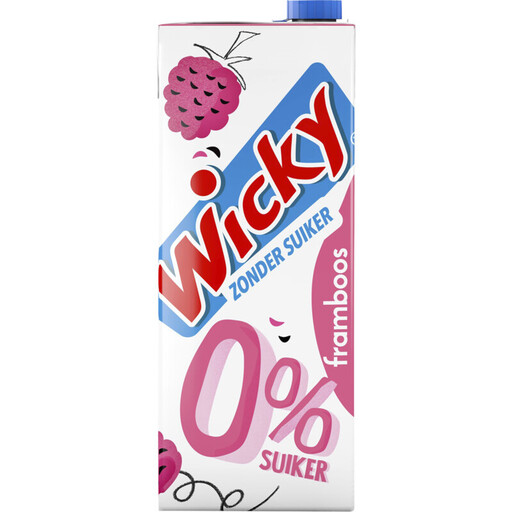
Why it suits this profile: A large bottle is suitable for several drinking occasions at home. According to the product information, this variant contains 1 kcal per 100 ml and no sugar.
The nutritional values make the difference between an ordinary sweet fruit drink and a low-calorie variant clear. Check the sweeteners and ingredients before ordering.
1.5-litre capacity; 1 kcal per 100 ml; added vitamin E according to the product description.
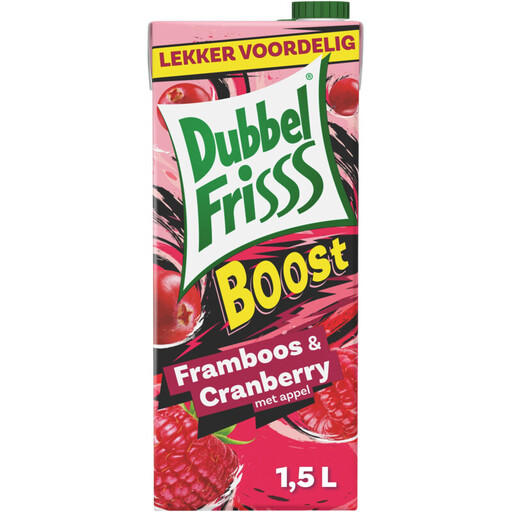
Why it suits this profile: According to the product information, this fruit drink combines 15% fruit juice with a hint of dairy and a double berry flavour.
The juice percentage is stated clearly, so you do not have to rely solely on fruit images or flavour names. However, be aware that it contains milk.
15% fruit juice; 23 kcal per 100 ml; 1.5 litres for sharing and refrigerating after opening.
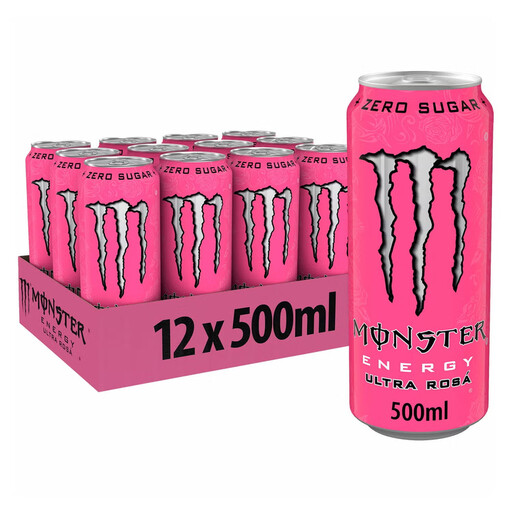
Why it suits this profile: A multipack of 12 cans is ideal for regular use and keeping a supply at home. According to the product information, this energy drink contains no sugar and 2 kcal per 100 ml.
The packaging and caffeine information are clearly specified. This is not an ordinary soft drink: bear in mind that it contains 32 mg of caffeine per 100 ml and follow the warnings on the label.
12 x 500 ml; sugar-free according to the product information; 2 kcal per 100 ml; intended for people aged 18 and over.
We have compiled a complete, up-to-date list of products that fully meet these strict selection criteria and the applicable European safety regulations.
For fans of drinks from abroad, there are compact options such as GENKI RAMUNE Strawberry Drink and HATAKOSEN Ramune Strawberry from Japan. This sparkling soft drink stands out thanks to its bottle and the way it is served. According to the product information, Bong Bong Grape contains 5% grape pieces and 53 kcal per 100 ml. Cantabile Strawberry Ade comes from South Korea and lists 6.54 kcal per 100 ml.
A Turkish speciality such as Samra rose water also fits into a wider range, but this product is mainly intended for culinary applications rather than as an ordinary soft drink. For a Surinamese flavour, Fernandes Red Grape is available in a 250 ml can.
If you are looking for an alcoholic drink, you can compare a rosé wine such as Huiswijn Semi-Sweet Rosé Wine based on its volume, alcohol content and serving occasion. This bottle contains 1 litre and lists 10.11% alcohol. Alcoholic products are intended for adults only; store them out of the reach of minors.
That varies by product and serving size. Wicky Raspberry lists 1 kcal per 100 ml, while g’woon Raspberry Cranberry Sparkling Fruit contains 0 kcal per 100 ml according to the product information. Volvic Touch of Fruit Strawberry also lists 1 kcal per 100 ml. Always check the current packaging, as recipes and labels may change.
Not always in name, but both terms often refer to drinks in which sugar has been replaced wholly or partly by sweeteners. So check the ingredients list and nutritional information. A product can be sugar-free and still contain sweeteners.
Close the bottle securely and store it in the fridge. Drink the contents within the period stated on the packaging. Small cans and bottles are suitable when you want to consume the drink quickly; a large bottle is more convenient when several people are drinking it.
