
Vandaag of morgen in huis

Kwaliteit gegarandeerd

Welkomstaanbiedingen ontgrendelen: GRATIS bezorging | Tot 80% korting | Gratis 30 dagen JoyPlus-proefperiode
Download de app
Buying soft drinks and fruit drinks seems simple: choose a flavour, check the number of bottles or cans, and place your order. Yet consumers sometimes pay for a product that does not quite suit how they intend to use it. This is particularly true of international drinks, children’s drinks and multipacks, where there are a few points you should check beforehand.
For example, the packaging may promise a strong fruit flavour, while the actual fruit juice content is limited. “No added sugar” does not automatically mean that a drink contains no sugars. And a large pack is only good value if you use the drink in time and have enough storage space.
A drink with mango, guava or watermelon flavour does not necessarily contain a large amount of fruit juice. So check the ingredients list and the percentage of juice or purée. For example, Maaza Guava Fruit Drink states 16% guava juice from concentrate. According to the product information, Oasis Apple Pear contains 12% fruit juice from concentrate, comprising 10% apple and 2% pear.
The composition of fruit juice differs from that of a soft drink with flavourings. Juice drinks, fruit drinks and soft drinks are therefore not automatically comparable.
A sugar-free fruit drink may contain sweeteners. According to the product information, Wicky Mango Fruit Drink contains less than 0.1 grams of sugar per 100 ml and uses sucralose and acesulfame-K as sweeteners. Taksi Tropical Fruit Drink also states that the product has no added sugar, but is sweetened with sweeteners and contains naturally occurring sugars.
If you would rather avoid sweeteners, it is a good idea to read the full ingredients list. Also check the nutritional values per 100 ml, rather than looking only at the front of the packaging.
A soft drink multipack is practical for families, parties, canteens and business supplies. However, a box of 12 or 24 cans can be inconvenient if you have limited storage space or want to try several different flavours.
When buying soft drinks in cans, calculate the total volume and the price per litre. For example, a pack of 24 cans of 330 ml contains 7.92 litres. A 12-pack of 355 ml contains 4.26 litres. This allows you to compare packs fairly.
Nutritional values make products in different pack sizes comparable. Here are some examples from the available product information:
These figures do not tell you which flavour you will personally enjoy, but they do help you make an objective comparison.
A 1-litre bottle is better suited to use at home than a small drinks carton for taking out and about. For children, a 200 or 250 ml portion may be more convenient, while a 330 or 355 ml can may be suitable for a party or lunch area.
Also check the storage instructions after opening. Many drinks need to be kept chilled and used within the stated period. For products containing milk ingredients, such as Taksi, it is particularly important to pay attention to refrigeration and allergens. The product information states that Taksi contains 40% milk ingredients; check the current packaging for the full allergen information.
With international soft drinks, the recipe, labelling and packaging may vary from one market to another. HATA Lychee Ramune is described as a Japanese soft drink with lychee flavour and carbonation. The listed ingredients include colouring E133. Fanta Pineapple lists colourings E102 and E110; according to the product information, the label must state the possible effect of these colourings on activity and attention in children.
This is not a medical assessment. Always read the label before buying and consuming a product, especially if you are buying it for children or need to take allergens, colourings or caffeine into account.
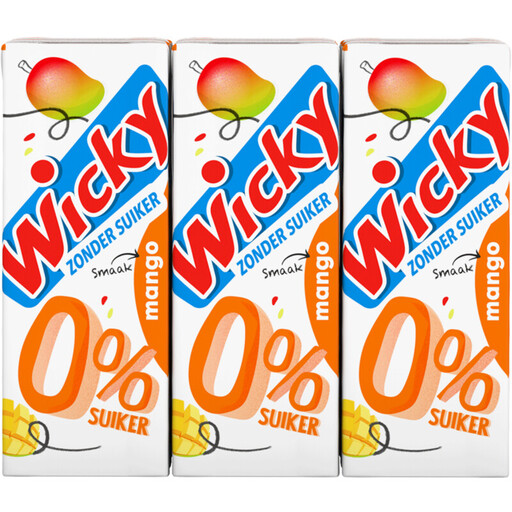
Why it suits this profile: The 200 ml portions are practical for home, school or a day out. The product information states that it contains less than 0.1 grams of sugar per 100 ml.
The nutritional values make the “sugar-free” claim verifiable. However, check whether the sweeteners used suit your preferences.
6 x 200 ml, mango flavour, less than 0.1 grams of sugar per 100 ml and added vitamin C according to the label.
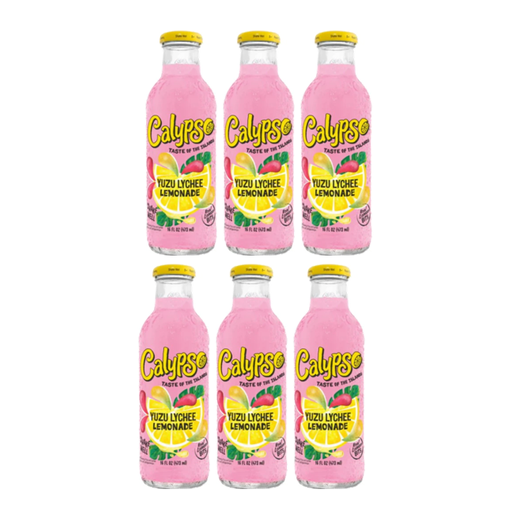
Why it suits this profile: This multipack is aimed at lovers of a distinctive international flavour combination featuring yuzu, lychee and lemon.
The product description identifies the individual flavour components. The nutritional values state 46 kcal and 11 grams of sugar per 100 ml.
6 bottles of 473 ml, yuzu and lychee flavour, lemon base and clearly stated nutritional values.
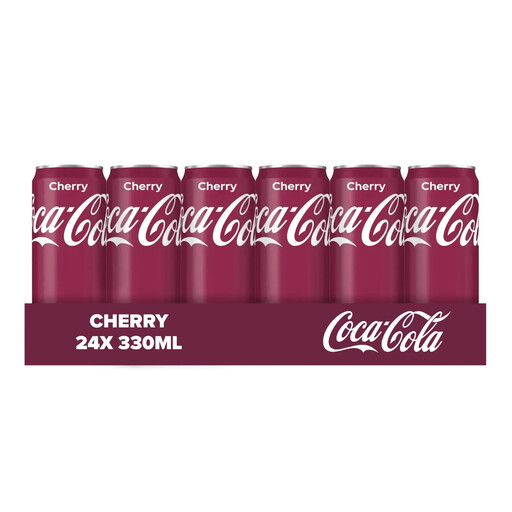
Why it suits this profile: The box of 24 cans is useful for canteens, vending machines, events and households where soft drinks are used regularly.
The can size and quantity are clearly stated. This allows you to calculate the total supply and storage space required in advance.
24 x 330 ml, cherry cola flavour, carbonated and containing caffeine according to the product information.
We have put together a complete, up-to-date list of products that fully meet these strict selection criteria and the applicable European safety regulations.
Fruit juice generally consists of juice, which may be made from concentrate. A fruit drink may also contain water, sugar, sweeteners, flavourings and a smaller proportion of juice. Always check the ingredients list and the percentage of fruit juice.
No. Products containing little or no sugar sometimes use sweeteners to retain a sweet taste. For example, Wicky Mango lists sucralose and acesulfame-K. So check both the nutritional values and the ingredients.
This varies from product to product. Opened drinks should generally be stored chilled, with the bottle or packaging sealed properly, and used within the period stated on the label. With an international drink, the information on the packaging may differ from the general product description on a webshop.
