
Vandaag of morgen in huis

Kwaliteit gegarandeerd

Welkomstaanbiedingen ontgrendelen: GRATIS bezorging | Tot 80% korting | Gratis 30 dagen JoyPlus-proefperiode
Download de app
Buying soft drinks and fruit drinks online may seem straightforward, but product names and marketing terms do not always reflect what is actually in the packaging. For example, a tropical fruit drink may contain only a small proportion of fruit. Similarly, “no added sugar” does not automatically mean that a drink contains no sugars.
By checking a few key points, you can compare juice and fruit drinks more fairly. That way, you can find the right drink for home, on the go, with a meal or for a family that likes to stock up.
Always check the percentage of fruit juice, purée or fruit concentrate in the ingredients list. A product with a strong mango flavour may consist mainly of water, sugar, acidity regulators and flavourings.
For example, Iam Superjuice Mango lists 30% mango juice, while DİMES Apricot Drink lists more than 40% apricot purée, according to the product information. These are useful details when you are looking for a mango drink or Turkish fruit drink with a fuller fruit profile.
A fruit drink with no added sugar may still contain naturally occurring sugars from fruit. A product may also contain sweeteners. So check:
According to the product information, Iam Superjuice Mango contains 17 kcal per 100 ml and is sweetened with steviol glycosides. This makes it suitable for consumers who are specifically watching their added sugar and calorie intake, but it is not the same as water.
A soft drink multipack can be useful for a family, visitors or keeping a regular supply at home. However, a large pack is less practical if you are unfamiliar with the flavour or have limited storage space. So compare the price per litre, rather than just the price of the box.
A tray of 12 cans of 330 ml contains 3.96 litres. That is a different format from a 1-litre bottle, even if the individual price appears lower. Also pay attention to the deposit, packaging materials and best-before date.
Distinguish between:
A product such as Sagiko Four Seasons Orange Juice lists calamansi purée, sugar, an acidity regulator and flavourings. The product name and taste alone therefore do not tell you the full recipe. With an international or Asian soft drink, it is particularly sensible to check the Dutch or EU labelling.
The nutrition table makes different pack sizes easier to compare. Pay particular attention to:
For example, Fristi Red Fruit drinking yoghurt lists 43 kcal and 7.7 grams of sugar per 100 ml in the 24 × 200 ml format. It contains milk and is therefore not suitable for anyone wishing to avoid dairy. The 1-litre Fristi pack has similar product characteristics, but is more practical for serving at the table.
Ingredients are listed in descending order by quantity. Also check the allergens, particularly with drinking yoghurt. Based on the product information provided, Fristi contains milk; none of the 14 main EU allergens are listed for the various fruit drinks.
Store drinks before opening according to the label. Once opened, many products should be refrigerated and used within the stated period. Shake a drink such as DİMES Apricot Drink well before use, as instructed in the product information. When ordering online, always check the packaging for the definitive ingredients, nutritional values and best-before information.
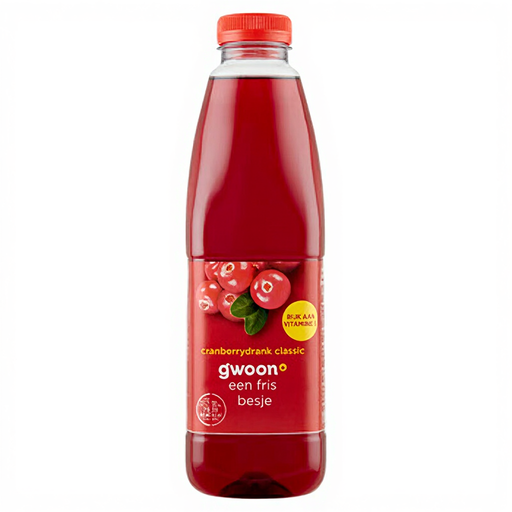
Why it suits this profile: A 1-litre bottle is a manageable choice when you want to try a familiar fruit flavour without immediately buying a large multipack.
The product information states 31.5% fruit juice from concentrate. This means you can check the fruit content rather than relying on the name alone.
1 litre of drink; cranberry, aronia and lemon flavour according to the ingredients list; none of the 14 main EU allergens listed.
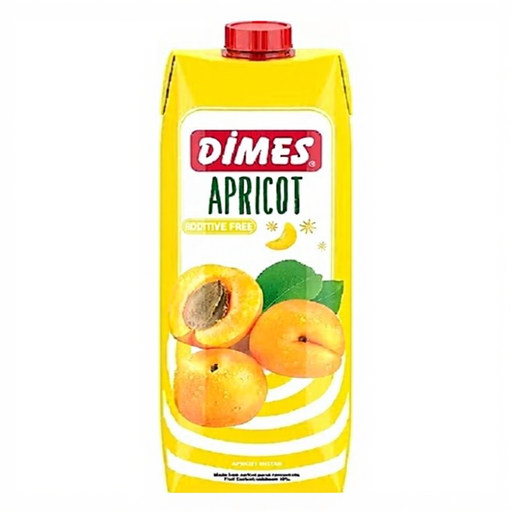
Why it suits this profile: For anyone looking for a distinctive apricot flavour and a larger family-sized format, for example with breakfast or a meal.
The product information states more than 40% apricot purée and 50 kcal per 100 ml. Compare these details with drinks that are marketed mainly on the basis of flavourings.
1-litre pack; more than 40% apricot purée according to the product information; serve chilled.

Why it suits this profile: A practical choice for families, parties or fans of Asian soft drinks who want several chilled portions ready to serve.
The fruit content, energy value and pack size are clearly stated: 30% mango, 17 kcal per 100 ml and 12 cans of 330 ml.
No added sugar according to the product information; 3.96 litres in total; individual cans are easy to share out.
If you want to order fruit drinks online, you can look beyond mango. Iam Superjuice is also available in passion fruit, lychee, pink guava and soursop varieties. According to the product information, these 330 ml × 12 packs each contain 30% fruit juice or fruit component. The stated energy values range from 15 to 18 kcal per 100 ml.
For a sweeter fruit-flavoured soft drink, Jarritos Mango, Jarritos Strawberry and Mirinda Orange are options worth comparing. Jarritos Mango lists, among other ingredients, carbonated water, sugar and natural mango flavouring. Fruit.B x Tropical Pineapple Slice Drink contains carbon dioxide, syrup and pieces of pineapple. With these products, pay particular attention to the sugar content and ingredients.
Prefer a still drink? DİMES Sour Cherry Drink, DİMES Mango Drink and Tymbark Apple Watermelon Drink are part of the juice and fruit drink category. For organic plum juice, Zonnatura Organic Plum Juice is a separate option: the product information states that it contains juice from organically grown dried plums, with 81 kcal and 14 grams of sugar per 100 ml.
We have put together a complete, up-to-date list of products that fully meet these strict selection criteria and the applicable European safety regulations.
Fruit juice consists mainly of juice, which may be from concentrate. A fruit drink often also contains water, sugar or sweeteners, acidity regulators and flavourings. Check the product name, fruit percentage and ingredients list for the exact difference.
No. Fruit naturally contains sugar. In addition, some products may use sweeteners to enhance the flavour. So always check the nutritional information for “of which sugars” per 100 ml and per pack.
That depends on the price, promotions, delivery costs and total volume. Divide the price by the number of litres to make a fair comparison. A multipack is particularly practical when you already know the flavour and have enough storage space.
