
Vandaag of morgen in huis

Kwaliteit gegarandeerd

Welkomstaanbiedingen ontgrendelen: GRATIS bezorging | Tot 80% korting | Gratis 30 dagen JoyPlus-proefperiode
Download de app
Choosing a new soft drink online seems simple until you compare the ingredients, nutritional values and packaging side by side. A tropical name, for example, does not tell you how much fruit it contains. Likewise, “no added sugar” does not automatically mean sugar-free. And a fruity cider may contain alcohol, while some similar drinks are completely alcohol-free.
As a Joybuy Product Recommendation Officer, I filter the most important information from product descriptions so you can compare products with confidence. Below, you’ll find what to look for in fruit drinks, sparkling fruit drinks, fruit juice, kombucha and international drinks.
Mango, passion fruit, lychee or pineapple on the label may sound clear, but always check the ingredients list. According to the product information, Rubicon Sparkling Mango contains 8% mango purée. Bundaberg Passionfruit states 3.5% passion fruit juice from concentrate. In another drink, the flavour may come mainly from flavourings and sweeteners.
So look at:
A fruit drink is therefore not automatically the same as fruit juice. Fruit juice generally contains a higher proportion of juice, while soft drinks often combine water, sugar, acids, flavourings and colourings.
Taksi Tropical Fruit Drink states that it contains no added sugar, but it does contain 2.4 grams of sugars per 100 ml. According to the product information, these sugars come from the ingredients. The drink also contains sucralose as a sweetener. So always compare the nutritional information, rather than looking only at the front of the packaging.
You can see a similar situation with Oasis Apple Cassis Raspberry: the drink contains 7.4 grams of sugar per 100 ml. G’woon Raspberry Cranberry Sparkling Fruit, on the other hand, states 0 grams of sugar per 100 ml, with sweeteners such as sucralose and acesulfame-K. This difference matters when you’re looking for a drink for everyday use or for the whole family.
The terms cider, fruit cider and fruit beer are not always used in the same way. Apple Bandit Raspberry contains 4.5% alcohol and sulphites. Amstel Radler Fruity Cider has 2.0% alcohol and contains barley malt. Moksha Sparkling Elderflower Cider states 4.5% alcohol.
By contrast, Tomomasu Shinshu Apricot Cider has 0% ABV. So before buying, check:
For children, pregnant people, drivers or alcohol-free occasions, checking the alcohol content carefully is essential.
First decide which flavour you’re looking for. A mango soft drink often has a sweet, rounded profile. A passion fruit soft drink can taste both sweet and tart. Lychee drink is usually aromatic and delicate. Peach juice or a Korean peach drink may also contain pulp.
Examples from the range:
If you’re mainly looking for a lively fizzy sensation, consider a sparkling fruit drink. For a smoother texture, drinks containing pulp or dairy ingredients may be more appealing.
Use the values per 100 ml to compare packaging fairly. A 500 ml bottle can provide considerably more sugar per serving than the table may initially suggest.
Pay attention to:
For example, Nexba Kombucha Mango states 2 kcal and 0 grams of sugar per 100 ml. The ingredients include erythritol, steviol glycosides and fermented kombucha. This is a different product category from an ordinary fruit drink. Claims about live cultures or fermentation should be read as product information; they are not medical promises.
A small 230 to 340 ml bottle is practical for travel or lunch. A multipack, such as Oasis Apple Cassis Raspberry 6 x 330 ml, Bundaberg Passionfruit 12 x 375 ml or Nexba Kombucha Mango 12 x 330 ml, is better suited to stocking up and entertaining.
Also check:
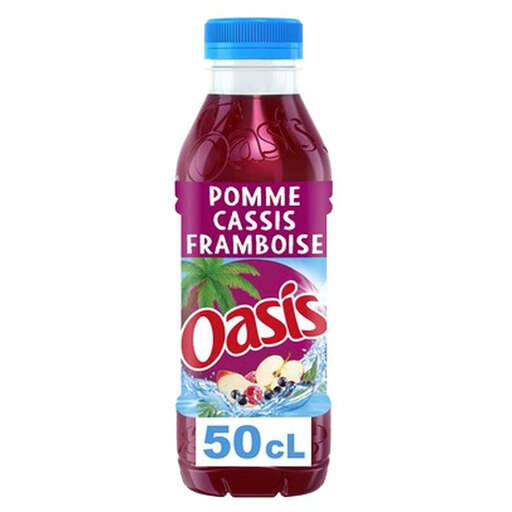
Why it suits this profile: The 500 ml bottle is handy for school, work or when you’re out and about. The product information states 17 kcal and 4 grams of sugar per 100 ml.
The nutritional values and ingredients are available, allowing you to check the sugar, sweeteners and fruit concentrates in advance.
500 ml, apple, blackcurrant and raspberry concentrate, with none of the 14 major EU allergens listed.
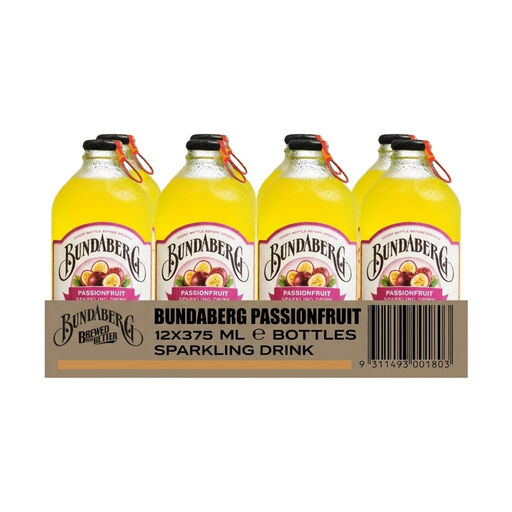
Why it suits this profile: A multipack with a distinctive passion fruit flavour is ideal for stocking up, entertaining and occasions when you want to serve several bottles.
The product clearly states 3.5% passion fruit juice from concentrate and carbon dioxide, rather than simply giving a general fruit flavour.
12 bottles of 375 ml, sparkling, with 47 kcal and 12 grams of sugar per 100 ml according to the product information.
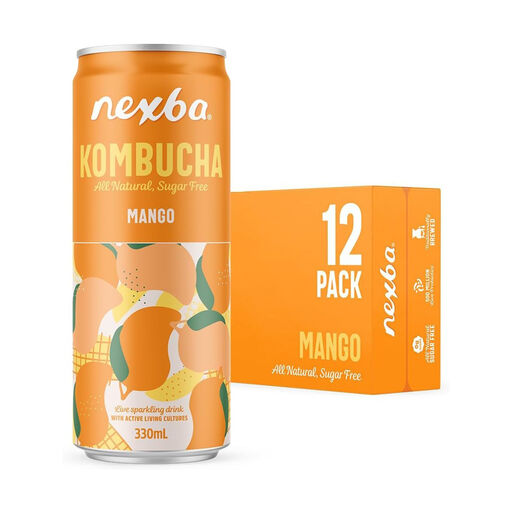
Why it suits this profile: For fans of an alternative to ordinary soft drinks who are looking for a fermented, sparkling mango drink without alcohol.
The product information explicitly mentions kombucha cultures, fermentation and a nutritional value of 2 kcal per 100 ml. Check the current packaging for full details.
12 x 330 ml, mango flavouring, sparkling and, according to the stated nutritional values, 0 grams of sugar per 100 ml.
Why it suits this profile: A compact Asian soft drink for anyone keen to try lychee and sweet, aromatic fruit flavours.
The ingredients list states lychee fruit purée, allowing you to distinguish it from a drink containing lychee flavouring only. The drink contains 10.62 grams of sugar per 100 ml.
320 ml, with none of the 14 major EU allergens listed, and suitable for serving chilled.
We’ve put together a complete, up-to-date list of products that fully meet these strict selection criteria and the applicable European safety regulations.
Fruit juice consists mainly of juice from fruit, which may be made from concentrate. Fruit drinks often contain a lower proportion of juice and may also contain water, sugar, sweeteners, acids and flavourings. Check the juice percentage in the ingredients list.
Choose a product labelled 0% alcohol or 0% ABV, such as Tomomasu Shinshu Apricot Cider. Take extra care with cider, fruit cider and fruit beer: a fruity flavour does not mean that the drink is alcohol-free. Always check the label before serving.
This varies from product to product. In most cases, store opened drinks in the fridge, seal the bottle tightly and follow the guidance on the packaging. For Taksi, for example, refrigeration after opening is recommended. Tymbark Apple Watermelon states that it should be consumed within 48 hours of opening. The packaging remains the definitive source for the latest storage instructions.
