
Vandaag of morgen in huis

Kwaliteit gegarandeerd

Welkomstaanbiedingen ontgrendelen: GRATIS bezorging | Tot 80% korting | Gratis 30 dagen JoyPlus-proefperiode
Download de app
Buying soft drinks seems straightforward, but the wide range can make comparing tricky. Looking for cola for a party, a soft drink multipack for the office, an energy drink for on the go, or an Asian soft drink with an unfamiliar flavour? In that case, the pack, nutrition and ingredients matter more than flashy marketing copy.
Many misbuys come from three recurring pitfalls:
A low price without checking the contents
A multipack can look cheap, but the number of cans and the volume per can vary. So compare the price per litre, not just the price of the case.
Confusing “fruity” with fruit juice
A fruit-flavoured soft drink doesn’t automatically contain much fruit juice. Check the ingredients list and the percentage of juice or purée. According to the product information, Maaza Guava contains 16% guava juice from concentrate.
Assuming “sugar-free” means no sweeteners
Sugar-free soft drinks generally contain sweeteners to maintain taste. Always read the full ingredients list. Coca-Cola Zero Sugar lists aspartame and acesulfame K; Pepsi Peach no sugar also contains multiple sweeteners and is a source of phenylalanine.
The nutrition table usually shows values per 100 ml. That makes comparisons easier, but keep the total pack in mind. A 330 ml can contains roughly 3.3 times the amount shown per 100 ml.
A few examples from the range:
Also pay attention to words like “fruit”, “light” and “zero”. These terms don’t automatically tell you how much juice, sugar or sweetener the product contains.
A 200 or 250 ml can is handy for lunch, a school bag or a quick break. Larger packs are more practical if you’re buying soft drinks for several people.
A soft drink in a can has some clear advantages: the serving size is fixed, the can chills easily, and you don’t need to reseal an opened bottle. For parties, company canteens and hospitality, 24 x 330 ml packs can be suitable. For a smaller household, a pack of 6 or 10 is often easier to manage.
Check before you buy:
Cola and energy drinks often contain caffeine. Slammers Energy Drink states 0.032% caffeine; Monster Energy Ultra White contains 0.03% caffeine. Slammers also lists taurine. According to the product information, these drinks are not intended for children, pregnant women or those who are breastfeeding. Always check the current warning on the label.
For international products, the packaging may contain different information from the online product page. This is explicitly indicated for various products. Always read the Dutch or European labelling, ingredients, allergens and instructions for use on the packaging before consuming.
If you’re after new flavours, Japanese soft drinks, Korean soft drinks and other exotic soft drinks are interesting options. HATA Lychee Ramune is from Japan and has a carbonated lychee flavour. LOTTE Milkis Melon is a Korean carbonated milk drink with milk powder and soy as allergens. These drinks are best when you deliberately want to try a different taste, not when you’re after a neutral thirst-quencher.
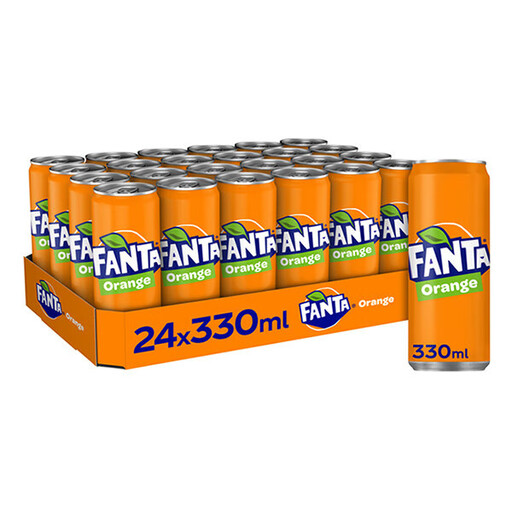
Why this matches the profile: A familiar orange flavour in a large multipack for home, guests or a party.
The pack clearly states 24 cans of 330 ml. That makes it easier to check the total quantity and the price per litre.
24 x 330 ml; 5.6 g of sugar per 100 ml according to the product information; convenient single-serve portions.
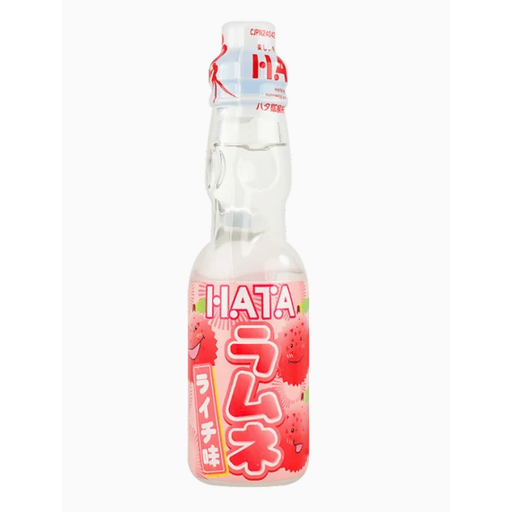
Why this matches the profile: For fans of Japanese soft drinks who want a smaller serving and a pronounced lychee flavour.
It’s 200 ml, so you won’t accidentally buy a large size when you just want to sample it.
Carbonated lychee drink; fruity, sweet-and-tangy taste; from Japan according to the product information.

Why this matches the profile: For adults who regularly want to stock up on sugar-free energy drink.
The product information states both 0 grams of sugar and the presence of caffeine. That helps you tailor your choice to how you plan to use it.
12 x 500 ml; 0 grams of sugar per 100 ml; citrus profile; contains caffeine, taurine and sweeteners.
When ordering soft drinks online, compare the size, ingredients and storage conditions first. International drinks can taste different from what you’re used to. Think of Pepsi Peach no sugar, Pepsi Strawberry & Cream or Dr. Pepper Cream Soda. In these products, sweeteners, caffeine and flavourings play a bigger role than in a standard fruit drink.
For families, a Capri-Sun multipack can be practical. Capri-Sun Monster Alarm contains 10 pouches of 200 ml and includes lemon, apple, blackcurrant and cherry juice. Wicky Mango zonder suiker contains just 0.2% mango juice from concentrate, despite the fruity flavour. If you want a fuller fruit profile, take a look at Maaza Guava or Mogu Mogu Lychee with nata de coco. Mogu Mogu contains pieces of nata de coco, so check the texture and ingredients before serving it to children.
We’ve put together a complete, up-to-date list of products that fully meet these strict selection criteria and comply with current European safety regulations.
A multipack of 330 ml cans is practical for a party, as each guest gets their own serving. Cola, Fanta and Fernandes are familiar choices. Check how many people you expect in advance and compare the total content per pack.
Not every sugar-free drink has exactly the same nutrition, but products without sugar generally contain fewer calories than the sweetened version. Always check the nutrition table per 100 ml. Also take note of the sweeteners used, such as aspartame, sucralose or acesulfame K.
Store unopened soft drinks in a cool, dry place out of direct sunlight. Follow the instructions on the packaging. An opened drink should usually be kept chilled and consumed shortly after opening. On delivery, also check the seal and the best-before information.
