
Vandaag of morgen in huis

Kwaliteit gegarandeerd

Welkomstaanbiedingen ontgrendelen: GRATIS bezorging | Tot 80% korting | Gratis 30 dagen JoyPlus-proefperiode
Download de app
When you want to buy soft drinks, you will often look first at the brand, flavour and price. Yet the details on the packaging are often more important when it comes to making the right choice. A large multipack may seem good value, but it does not always suit your consumption, storage space or preferred ingredients.
This applies to households, offices, hospitality businesses, party organisers and anyone looking to order soft drink cans online. With this practical checklist, you can avoid unsuitable purchases and find a soft drink deal that genuinely suits your needs more quickly.
A tray of 24 cans may look appealing, but pack sizes vary. A 250 ml can is not automatically better value than a 330 or 500 ml can. Divide the total price by the number of litres to compare properly. This allows you to compare a 24-pack of soft drinks fairly with a smaller pack or a different type of packaging.
Also consider:
Sugar-free soft drinks contain no sugar according to the product information, but are usually sweetened with sweeteners. Coca-Cola Zero Sugar, for example, contains aspartame and acesulfame-K and states that it contains a source of phenylalanine. Sprite Zero and Fanta Lemon Zero also contain sweeteners.
Always check the ingredients list if you need to avoid particular sweeteners or allergens, or if you have specific dietary preferences. The information on the product page is a useful guide, but the packaging you receive remains the definitive source.
When buying energy drinks, it is not just about the flavour or brand. Check the volume per can, caffeine content and ingredients. According to the product information provided, Slammers Energy Refreshing Power Drink contains 0.032% caffeine, sugar and taurine. Monster Energy Ultra White contains 0.03% caffeine and 0 grams of sugar per 100 ml.
Caffeinated energy drinks are not suitable for everyone. The Slammers product information states that the drink is not recommended for children, pregnant women, breastfeeding women or people with certain medical conditions. Always follow the warnings on the label.
For a party or hospitality business, a 24-pack is often practical. A tray of 24 cans of 330 ml contains 7.92 litres in total. With 24 cans of 250 ml, the total is 6 litres. A multipack with 12 cans of 500 ml also contains 6 litres, but requires fewer individual cans to be stored.
Choose according to how you plan to use it:
Compare nutritional values per 100 ml, not just per can. Coca-Cola Original Taste states 10.6 grams of sugar per 100 ml. According to the product details, Coca-Cola Zero Sugar contains 0 grams of sugar and 0 kcal per 100 ml. Fanta Orange Soda contains 5.6 grams of sugar per 100 ml according to the description.
With zero-sugar versions, 0 grams of sugar does not automatically mean that no sweeteners are present. Also check whether the product contains caffeine. According to the product information, Coca-Cola Zero Sugar Caffeine Free contains no caffeine, while regular cola and some Pepsi varieties do contain caffeine.
A familiar flavour is not always the most suitable choice for every occasion. Classic cola, orange or lemon-lime flavours are often practical for serving a wide audience. For consumers looking for something different, varieties such as Pepsi Peach Zero Sugar, Pepsi Strawberry & Cream or Fanta Strawberry Kiwi are worth considering.
If you are looking to buy Coca-Cola, buy Pepsi, buy Fanta, buy Sprite or buy Lipton Ice Tea, it is worth deciding in advance whether the drink is intended for:
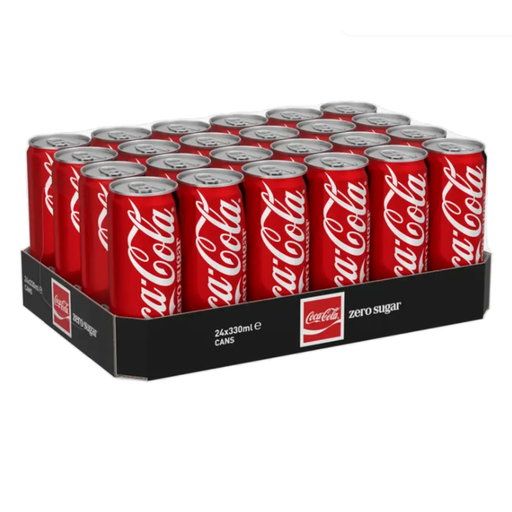
Why it suits this profile: A familiar cola flavour in a tray of 24 cans of 330 ml is practical for the home, visitors or a small event.
The packaging clearly states 24 x 330 ml and 0 grams of sugar per 100 ml. However, check the sweeteners present and the source of phenylalanine on the label.
24 cans of 330 ml; sugar-free according to the product information and suitable for vegetarians and vegans.
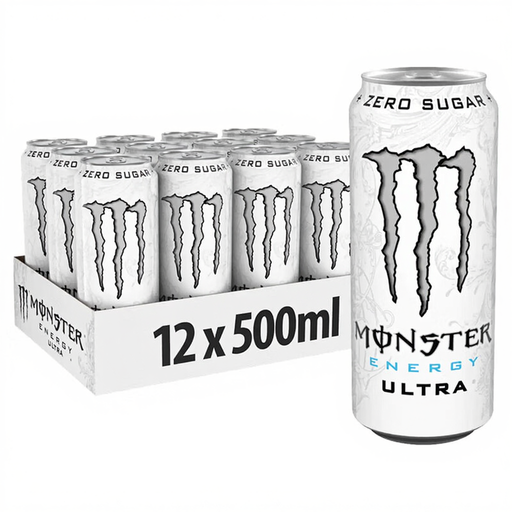
Why it suits this profile: The citrus flavour in a 500 ml can is intended for anyone looking for a larger pack and a sugar-free energy drink.
The product information distinguishes between sugar and sweeteners: 0 grams of sugar, but sweeteners including sucralose and acesulfame-K. The caffeine content is also stated.
12 cans of 500 ml; 0 grams of sugar and 12 kcal per 100 ml according to the product details; citrus profile with notes of lemon and grapefruit.
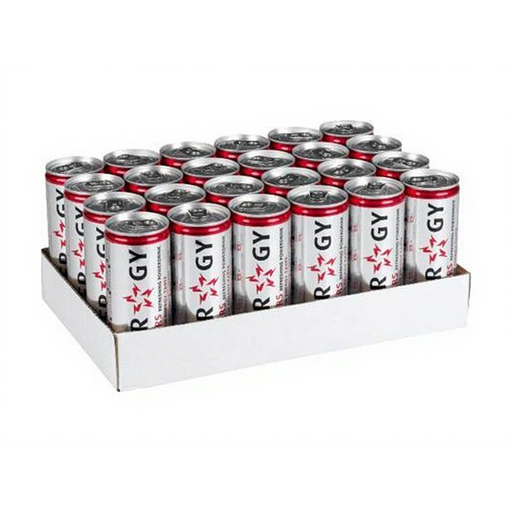
Why it suits this profile: The smaller cans are easy to serve individually at the office, during an event or while travelling.
The serving size is clear from the outset: 24 x 250 ml. The product information also states the sugar, caffeine and taurine content, so you do not have to rely on the word “energy” alone.
24 cans; compact 250 ml size; nutritional value of 205 kJ per 100 grams according to the product information provided.
We have put together a complete, up-to-date list of products that fully meet these strict selection criteria and the applicable European safety regulations.
A deal is most worthwhile when the volume suits your consumption. If you are buying for a large group, a mix of cola, fruit-flavoured soft drinks and iced tea may be more practical than several trays of the same flavour. Lipton Ice Tea Sparkling, Lipton Ice Tea Peach and Lipton Ice Tea Green Low Sugar, for example, add variety alongside classic soft drinks.
For hospitality businesses or soft drink wholesaler-style purchasing, these points are particularly relevant:
Store cans according to the instructions on the packaging, away from direct sunlight and excessive heat. Once opened, soft drinks should generally be kept refrigerated and consumed within the stated period.
Not necessarily. Compare the price per litre and include delivery costs. A 24-pack can be useful for keeping a supply in stock, but a smaller pack prevents you from buying too much or being left with unwanted flavours.
Check the best-before information on the packaging. Store unopened cans in a cool, dry place away from direct sunlight. Quality changes more quickly once a can has been opened, so follow the instructions on the label and consume it promptly.
Check both the nutrition table and the ingredients list. “Zero Sugar” generally means 0 grams of sugar, but the drink may still contain sweeteners. Also check the caffeine content and whether phenylalanine is mentioned for products containing aspartame.
