
Vandaag of morgen in huis

Kwaliteit gegarandeerd

Welkomstaanbiedingen ontgrendelen: GRATIS bezorging | Tot 80% korting | Gratis 30 dagen JoyPlus-proefperiode
Download de app
Buying soft drinks and fruit drinks online might seem straightforward. However, there are clear differences in fruit juice percentage, sugar content, packaging and portion size. A striking flavour name or an image of lots of fruit doesn’t automatically tell you how much fruit is actually in the drink.
For families, fans of an Asian drink and customers looking for a drink multipack, three pitfalls are particularly important:
With a fruit drink, guava drink or tropical drink, the fruit content can vary widely. For example, Maaza Guava Fruit Drink 330 ml states 16% guava juice from concentrate. I am Superjuice Pink Guava states, according to the product information, 30% pink guava juice and no added sugar.
That doesn’t mean one drink automatically suits everyone better. A higher fruit percentage can give a more pronounced fruit flavour, while a soft drink with little juice may taste lighter or sweeter. So compare:
Also look out for terms like “with fruit flavour”. That description can refer to flavouring rather than a high proportion of fruit juice.
The nutrition table makes products easier to compare. Bong Bong Grape 238 ml states 13 g sugar and 53 kcal per 100 ml. Fernandes Cherry Bouquet states 10.2 g sugar and 42 kcal per 100 ml. Sprite Zero Sugar states 0 g sugar per 100 ml, but does contain sweeteners such as aspartame and acesulfame-K. The packaging also states that the product contains a source of phenylalanine.
A product labelled “zero”, “light” or “sugar-free soft drink” can therefore still have a pronounced sweet taste due to sweeteners. Always check the current ingredients list and nutritional values, as recipes and labels can change.
With “no added sugar”, you need to read carefully. According to the product information for Taksi Tropical Fruit Drink, no sugar is added, but the drink does contain naturally occurring sugars and sweetener. With I am Superjuice Pink Guava, according to the product description, no sugar is added either. So use such claims as a first filter, not as a substitute for the full table.
A can of 200 to 340 ml is handy for on the go, lunch or a single serving with no leftovers. A 1-litre bottle is better suited to a household that pours several glasses at home. For birthdays, visitors or regular use, a multipack of 6, 12 or 24 units can be more practical.
Before you buy soft drinks online, check:
With cans containing fruit pieces or pulp, shaking may be necessary. Calypso Yuzu Lychee Lemonade, for example, states: “shake well before use”. With drinks containing milk ingredients, such as Taksi or g’woon Zappie, it’s important to check allergens and storage advice. The product information for g’woon Zappie states it contains milk ingredients.
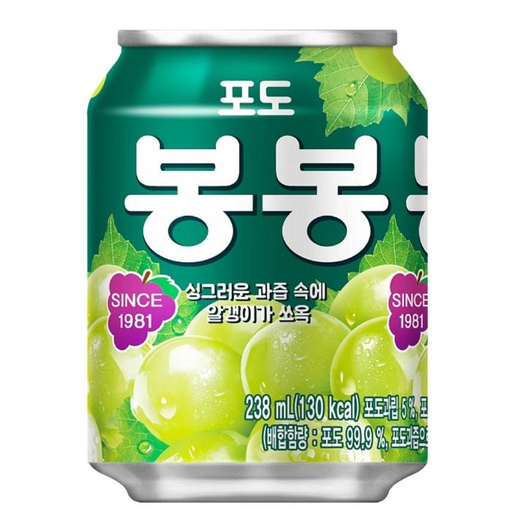
Why This Fits Their Persona: A compact can for anyone wanting to try a Korean fruit drink without buying a multipack straight away.
The size makes portion control easy. The product information states 5% grape pieces; do check the current label before purchase.
238 ml per can; grape flavour with fruit pieces according to the product description.
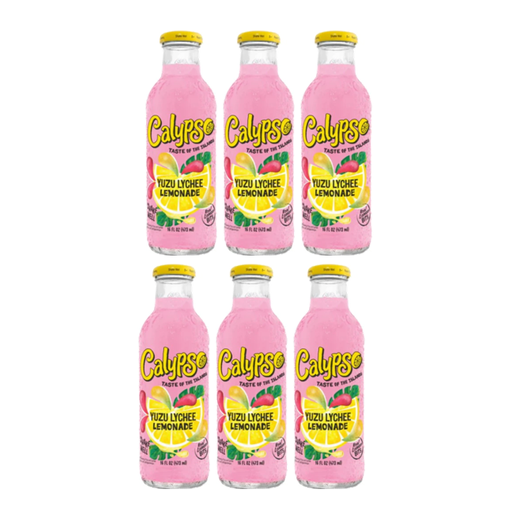
Why This Fits Their Persona: For fans of a distinctly exotic soft drink who want a multipack to share at a dinner party or gathering.
The yuzu and lychee combination is clearly stated, while 11 g sugar per 100 ml is visible in the nutritional information.
6 bottles of 473 ml; product information states a lemon base and serving suggestion to serve chilled.
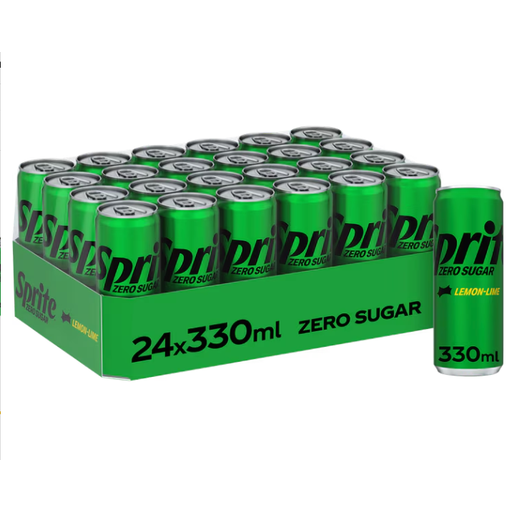
Why This Fits Their Persona: For households, office supplies or events where lots of single servings are needed.
The term Zero Sugar can be verified in the table: according to the product information, it states 0 g sugar per 100 ml. The product does contain sweeteners.
24 cans of 330 ml; fizzy soft drink with lemon-lime flavour and no sugar according to the product listing.
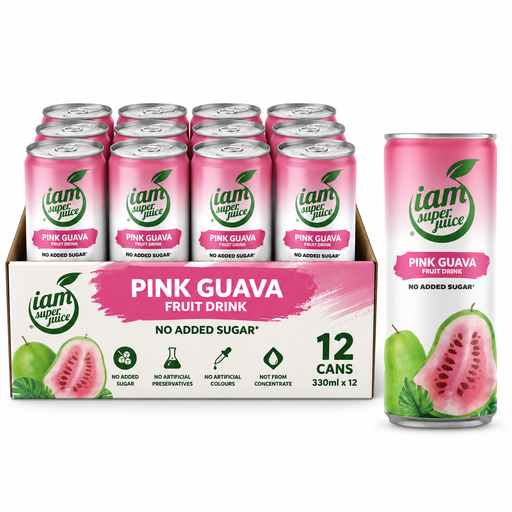
Why This Fits Their Persona: For anyone looking for an Asian drink with a tropical guava flavour and who prefers to buy cans in bulk.
According to the product description, this drink contains 30% pink guava juice and no added sugar. Check the current packaging for the final composition.
12 cans of 330 ml; tropical pink guava flavour and 16 kcal per 100 ml according to the product information.
Browse a current range of fruit drink cans and compare flavour, volume, packaging and nutritional values before you order.
Fruit juice typically consists of juice according to the product category, whereas a fruit drink often contains water, juice or purée, sugar, sweeteners and flavourings. The exact composition varies from product to product. So don’t just look at the name, but also at the juice percentage and the ingredients list.
A multipack of 330 ml cans is practical if everyone wants their own serving. For daily pouring, a 1-litre bottle can be better value per litre, depending on the price. Compare the total volume and storage capacity before you order.
Always follow the instructions on the label. Many products need to be refrigerated after opening and used within the stated period. Store unopened bottles and cans in a cool, dry place away from direct sunlight. Also check the seal and best-before date before consuming.
