
Vandaag of morgen in huis

Kwaliteit gegarandeerd

Welkomstaanbiedingen ontgrendelen: GRATIS bezorging | Tot 80% korting | Gratis 30 dagen JoyPlus-proefperiode
Download de app
Buying soft drinks seems simple until you have to choose between a fruit drink, a zero-sugar soft drink, a multipack or an exotic drink from Asia. Product photos and flavour names do not always tell the whole story. A small can may work out relatively expensive, while a large bottle quickly loses its flavour once opened. Terms such as “zero sugar” and “no added sugar” do not mean the same thing either.
With this practical guide, you can focus on what is actually stated on the label and in the product information. That makes it easier to find a drink that suits your taste, household and occasion.
A tropical soft drink may contain mainly flavourings and sweeteners, while a fruit drink states a specific percentage of fruit juice or fruit purée. So look at the quantitative ingredient declaration. According to the product information, Iam Superjuice Passionfruit Drink contains 30% natural passion fruit juice. Iam Superjuice Pink Guava and Lychee Drink also states 30% fruit juice.
An eye-catching flavour name is therefore no substitute for checking the juice percentage. Also check whether the product is a juice, nectar, soft drink or syrup.
A soft drink with no added sugar may still contain naturally occurring sugars from fruit. Zero-sugar soft drinks generally use sweeteners instead. Always check the nutritional information per 100 ml and the ingredients list.
Examples from the range:
“Sugar-free soft drink” therefore does not automatically mean the same as a fruit drink with no added sugar.
A soft drink multipack is convenient for a family, office or cupboard, but compare the price per litre. Twelve 330 ml cans contain 3.96 litres in total. A 1.5-litre bottle has a different pricing structure and needs space in the fridge once opened.
Also pay attention to:
If you are looking for a pronounced fruit flavour, start by checking the juice or fruit percentage. According to the product description, Iam Superjuice Passionfruit Drink contains 30% natural passion fruit juice. The soursop version also states a tropical fruit base and 18 kcal per 100 ml.
A still fruit drink is often more suitable with a meal or if you do not want fizz. A sparkling option, such as Ramune Mango or a citrus soft drink, is better suited to anyone looking for a fizzy texture. Check the product type: “fruit drink” and “soft drink” have different compositions.
Compare the nutritional value per 100 ml, rather than looking only at the amount per can. This makes different formats directly comparable. For example, a 330 ml can contains more than three times the value stated per 100 ml.
Check the ingredients too. According to the product information, Schweppes Agrumes Zero contains acesulfame K and sucralose, among other ingredients. Sprite Zero Sugar lists acesulfame K and aspartame, and contains a source of phenylalanine. If you want to avoid certain sweeteners, it is worth checking the label before buying.
Small cans of 200 to 340 ml are practical for a single serving. A 1.5-litre bottle works better for several people, but should be refrigerated after opening according to the product information. A tray of 12 cans is suitable if you regularly drink the same flavour or want to stock up.
For a gift or tasting session, Japanese soft drinks such as Ramune Mango can be appealing thanks to their distinctive bottle. For everyday use, a multipack or large bottle is usually more practical.

Why it suits this shopper: A tray of 12 330 ml cans is easy to manage at home and convenient when you want to try a tropical flavour without repeatedly ordering individual cans.
The product information clearly states 30% natural passion fruit juice, no added sugar and 17 kcal per 100 ml.
30% passion fruit juice; 12 x 330 ml; made in Vietnam; best served chilled.
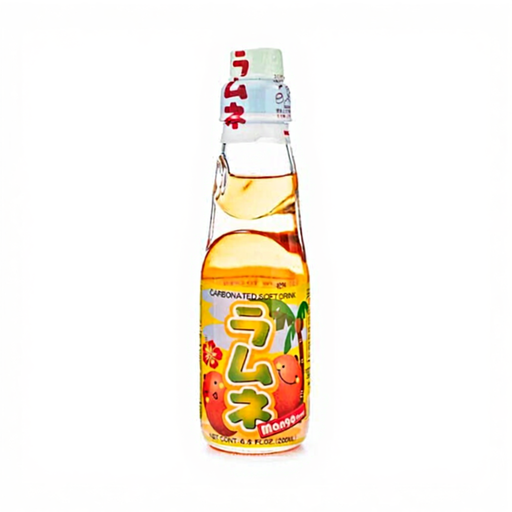
Why it suits this shopper: This Japanese soft drink is ideal for fans of distinctive presentation and a sweet mango experience in a compact format.
The contents are clearly stated as 200 ml and the nutritional information gives 35 kcal per 100 ml. This makes the serving size clear in advance.
Mango flavour; sparkling; distinctive Japanese Ramune bottle; compact size.
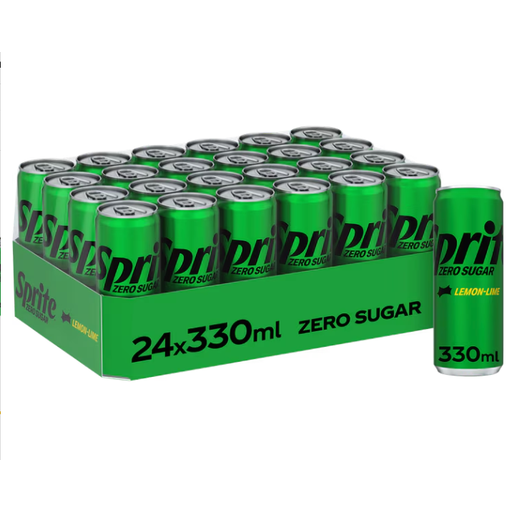
Why it suits this shopper: A large multipack is ideal for households, gatherings or a workplace where chilled cans are used regularly.
The number of packs and the contents are clear in advance: 24 cans of 330 ml. The nutritional information states 0 grams of sugar per 100 ml.
24 x 330 ml; lemon and lime flavour; sparkling; caffeine-free according to the product information.
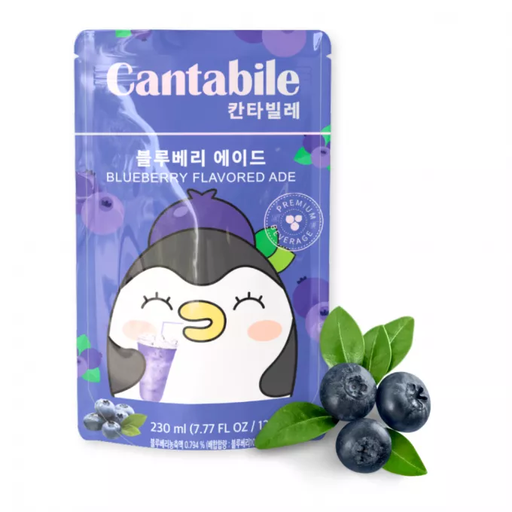
Why it suits this shopper: A compact Korean fruit drink for anyone who wants to try a fruity flavour without immediately buying a large stock.
The product information states the country of origin, the 230 ml format and a nutritional value of 42–54 kcal per 100 g.
Blueberry flavour; 230 ml; suitable for drinking chilled; according to the product information, from South Korea.
We have compiled a complete, up-to-date list of products that fully meet these strict selection criteria and the applicable European safety regulations.
Before you complete your purchase, run through these points:
Compare the energy per 100 ml. This is more reliable than terms such as “light” or “refreshing”. The range includes, for example, Iam Superjuice Pink Guava with 16 kcal per 100 ml and Iam Superjuice Soursop with 18 kcal per 100 ml. Always check the current product packaging.
Not always. “Zero sugar” generally refers to a very low sugar content and often the use of sweeteners. Check the nutritional information and ingredients list. A fruit drink with no added sugar may still contain natural sugars from fruit juice.
That depends on the price per litre, the preferred format and how much you use. A multipack of cans is easy to distribute and chill. A bottle may be cheaper per litre, but is less practical for as long once opened. So compare both the total volume and the price per litre before ordering soft drinks online.
