
Vandaag of morgen in huis

Kwaliteit gegarandeerd

Welkomstaanbiedingen ontgrendelen: GRATIS bezorging | Tot 80% korting | Gratis 30 dagen JoyPlus-proefperiode
Download de app
Buying speciality soft drinks might seem straightforward, but products can vary considerably online in flavour, packaging, sugar content and size. A colourful can doesn’t automatically mean the drink will suit your taste. Terms such as “fruity”, “zero” or “free from artificial additives” are also worth checking against the ingredients list.
For consumers in the Netherlands, these three pitfalls are particularly relevant:
Compare the nutritional information per 100 ml, not just per can or bottle. For example, according to the product information, Tomomasu Miyazaki Hyuganatsu Ji Cider contains around 10.5 grams of sugar per 100 ml. Fanta Berry lists 11 grams of sugar per 100 ml. The total sugar content can quickly add up in a bottle or multipack.
If you’re looking for less sugar, consider sugar-free soft drinks. The product description for 7UP Zero Sugar Lemon and Lime lists less than 1 kcal per 100 ml and says it uses aspartame as a sweetener. According to the information provided, Sprite Zero Sugar contains 0 grams of sugar per 100 ml, but does contain acesulfame K and aspartame. If you have an allergy or intolerance, always check the latest label.
Also look out for the difference between fruit juice, juice concentrate and flavouring. A fruity flavour doesn’t automatically mean a drink contains much fruit juice. For example, Spa Fruit sparkling orange lists 3.1% fruit juice from concentrate, of which 2.9% is orange.
The right size depends on when you plan to enjoy the drink:
A glass bottle looks smart at dinner, but it’s heavier and more fragile than a can. A pouch is light and portable, but you should follow the packaging instructions once it’s opened. It’s also a good idea to check the seal on soft drink bottles and cans before use.
If you’re looking for international soft drinks, exotic soft drinks or Asian soft drinks, it’s worth checking the country of origin and the flavour description. Japanese soft drinks, for example, may contain a type of citrus fruit that’s less familiar in the Netherlands. American soft drinks are sometimes imported in a different size or made to a different recipe from a similar European version.
Pay attention to the type of flavour, too:
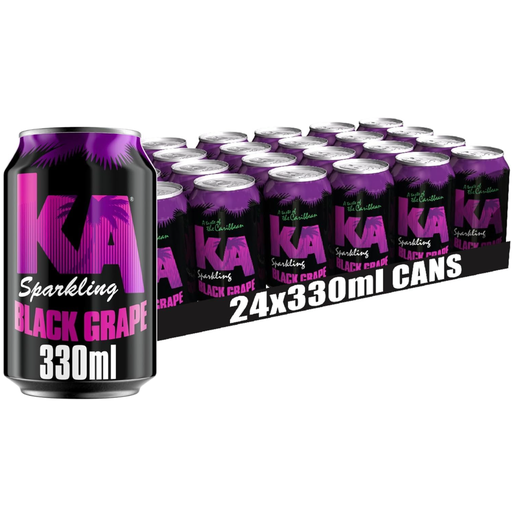
Why it suits this shopper: A multipack of 24 x 330 ml cans is a practical choice when you want to stock up for home or a gathering.
The serving size and total quantity are clearly stated. Just remember to check the sugar and sweetener information before ordering.
24 x 330 ml cans; black grape flavour; ideal for parties and stocking up.
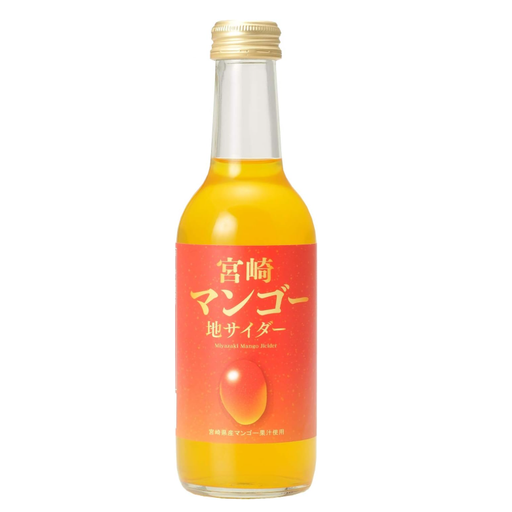
Why it suits this shopper: Its small glass bottle and Japanese Hyuganatsu citrus make this a great choice if you’re looking for something special to enjoy with a meal or as part of a tasting.
At 245 ml, it’s a good way to try a flavour you don’t know yet without buying a large bottle. The nutritional information is clearly stated.
245 ml glass bottle; made in Japan; Hyuganatsu fruit juice from Miyazaki, according to the product information.
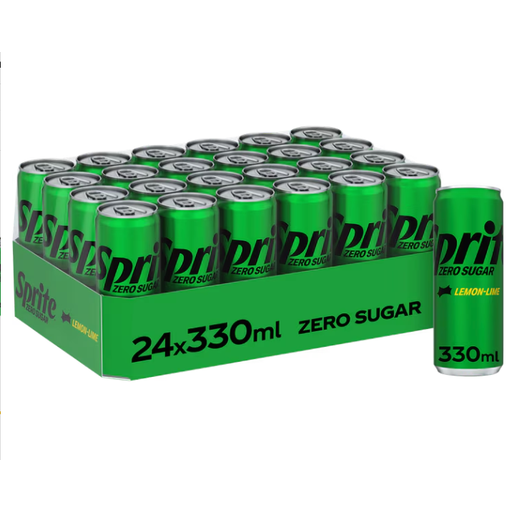
Why it suits this shopper: Handy if you regularly serve lemon-lime drinks and are looking for a sugar-free option.
The packaging states the serving size, ingredients and nutritional information. Check which sweeteners are used and look out for the warning about phenylalanine.
24 x 330 ml cans; 0 grams of sugar per 100 ml according to the product information; caffeine-free lemon-lime flavour.
We’ve put together a complete, up-to-date list of products that meet these strict selection criteria and the applicable European safety regulations.
Choose a soft drink multipack when you’re serving several guests. Chilled 330 ml cans are easy to hand out, and you won’t be left with a large bottle once it’s been opened. For serving at the table, a 1.25 or 1.5 litre bottle may be more practical. If you can, offer a mix of flavours, such as lemon-lime, grape and fruity options.
Follow the label instructions for storing opened soft drinks. They should usually be kept chilled and tightly sealed. The fizz will gradually fade over time. Store unopened bottles and cans in a cool, dry place away from direct sunlight. Check the best-before date before use and consume an opened drink within the stated period.
Not every drink labelled “zero” has exactly the same nutritional values, so check the table per 100 ml. Also look at which sweeteners are used. A sugar-free soft drink can still taste distinctly sweet, while a fruit drink with less sugar may still contain fruit juice or sweeteners.
