
Vandaag of morgen in huis

Kwaliteit gegarandeerd

Welkomstaanbiedingen ontgrendelen: GRATIS bezorging | Tot 80% korting | Gratis 30 dagen JoyPlus-proefperiode
Download de app
When you shop for soft drinks online, you’ll quickly come across dozens of varieties with similar packaging and marketing claims. But drinks can differ considerably in sugar content, volume, flavour, packaging and serving size. A multipack may look like good value, but it’s not much use if you don’t enjoy the flavour. And “no added sugar” doesn’t automatically mean a drink contains no sugar at all.
Use this practical guide to compare soft drinks for home, on the go, parties or everyday use, without relying on the packaging alone.
Always check the nutrition table. A product labelled no added sugar may contain naturally occurring sugars from fruit. For example, Iam Superjuice varieties contain 30% fruit juice and list a low amount of energy per 100 ml, but the exact ingredients and nutritional values are what matter.
Sugar-free soft drinks such as Coca-Cola Zero Sugar or Pepsi Zero Sugar typically list 0 grams of sugar per 100 ml. These drinks do contain sweeteners, though. If you want to avoid certain sweeteners, it’s worth checking the ingredients list.
A box of 12 or 24 cans may seem attractively priced, but compare the price per litre and the volume of each can. For example, a pack of 8 × 250 ml cans contains less drink than a tray of 12 × 330 ml cans.
Also think about when you’ll be drinking it:
Words such as “intense”, “authentic” or “refreshing” are often the seller’s descriptions, not measurable guarantees. Instead, look at verifiable details such as the fruit juice content, type of sweetener, sugar content and packaging.
According to the product description, Iam Superjuice Passionfruit Drink contains 30% natural passion fruit juice. That tells you something about its ingredients, but not exactly how every consumer will find the flavour.
Check the table per 100 ml, not just per can or pack. This makes it easier to compare Coca-Cola Zero Sugar, Pepsi Zero Sugar and a tropical fruit drink fairly.
Look out for these differences:
Coca-Cola Zero Sugar lists aspartame and acesulfame K, among other ingredients, and according to the product information is a source of phenylalanine. Pepsi Zero Sugar Peach also lists sweeteners and 0 grams of sugar per 100 ml. If you have allergies or dietary requirements, always check the latest label.
A can is handy for a single serving and easy to take with you. A 1-litre bottle of coconut water is more practical for sharing at home, but needs to be refrigerated after opening. Also check the best-before date, storage instructions and that the packaging is undamaged.
Choose based not just on the brand, but also on when you want to enjoy the drink:

Why it suits this shopper: A tray of 12 × 330 ml cans gives you a handy stock without committing to a large 24-pack. Passion fruit is a distinctive choice if you want to alternate between regular cola and tropical fruit flavours.
The product details state that it contains 30% natural passion fruit juice and no added sugar. Check the latest label to confirm the ingredients and nutritional values.
12 × 330 ml, 17 kcal per 100 ml according to the product information, and best served chilled.
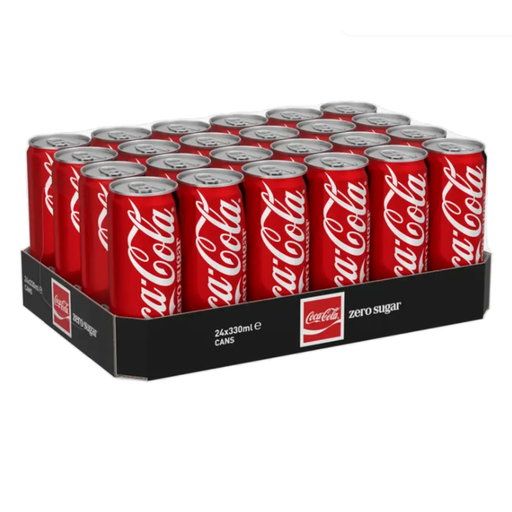
Why it suits this shopper: A handy option for households, offices or parties where you want several servings of a familiar cola flavour.
The pack contains 24 × 330 ml, and the nutrition information lists 0 grams of sugar per 100 ml. The ingredients list shows which sweeteners are used.
Large multipack, 330 ml cans and, according to the product details, 0 kcal per 100 ml.
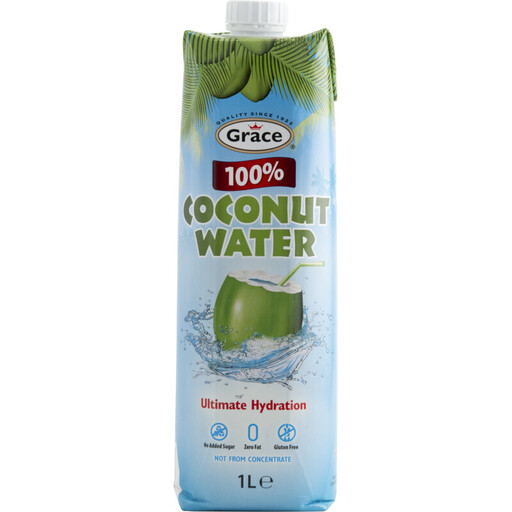
Why it suits this shopper: A 1-litre pack is ideal for enjoying at home and sharing. It’s an alternative to fizzy soft drinks if you’re after a simple coconut drink.
The ingredients list contains only coconut water. At the same time, the nutrition information shows 5 grams of sugars per 100 ml, so “no added sugar” doesn’t mean sugar-free in this case.
100% coconut water according to the product information, 1-litre pack and best served chilled.
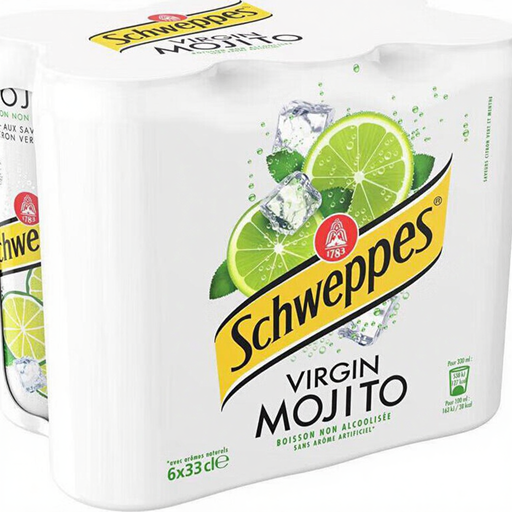
Why it suits this shopper: The six cans are ideal for a small get-together, picnic or drinks gathering where you want to serve an alcohol-free mojito flavour.
The product description clearly identifies this as an alcohol-free drink with lime and mint flavour. The nutrition information lists 4 grams of sugar per 100 ml; check the packaging for the latest version.
6 × 330 ml, alcohol-free according to the product description and suitable for serving chilled or over ice.
We’ve put together a complete, up-to-date list of products that meet these strict selection criteria and the applicable European safety regulations.
Compare the nutrition table per 100 ml. According to the available product information, Coca-Cola Zero Sugar and Pepsi Zero Sugar Peach list 0 grams of sugar per 100 ml. They do contain sweeteners, though. A fruit drink with no added sugar may still contain natural sugars from fruit.
That depends on the price per litre, the number of cans and how much you’ll actually use. A 24-pack is handy for a household or event, while a 6-pack or 8-pack is more convenient if you want to try a flavour first. Work out the price per litre before you order.
Store unopened soft drinks according to the label, in a cool, dry place away from direct sunlight and heat. Opened bottles or cartons should generally be kept in the fridge and used within the stated period. Always check the seal and best-before information before use.
