
Vandaag of morgen in huis

Kwaliteit gegarandeerd

Welkomstaanbiedingen ontgrendelen: GRATIS bezorging | Tot 80% korting | Gratis 30 dagen JoyPlus-proefperiode
Download de app
The shelves are packed: from classic lemonade syrup for the whole family to trendy American sodas and functional energy drinks. Choosing the right soft drink seems simple until you try to decipher the labels. Many products entice you with attractive packaging and vague promises, making it easy to make a poor choice. Before you fill your shopping cart, it's wise to know what to look for.
We often see consumers fall into a few common traps:
By checking a few key points, you can bypass these pitfalls and make a choice that truly suits you.
To make an informed choice, it's helpful to check two or three specifications on the label. This takes an extra minute but ensures you get what you expect.
The most important indicator is the nutritional information table. Don't just look at the calories; look specifically at the "carbohydrates, of which sugars" per 100 ml line. This gives an honest picture of how sweet the drink actually is.
Your choice between lemonade syrup and a ready-to-drink beverage depends on convenience, price, and when you'll be drinking it.
When buying an energy drink like Ghost Energy, it's important to look beyond the marketing. Check the amount of caffeine per serving (can). For example, an amount of 200 mg is comparable to two strong cups of coffee. Manufacturers often list other additives as well. For instance, Ghost states that their drinks contain ingredients like L-Carnitine and NeuroFactor to support energy metabolism and cognitive function, respectively. These products are intended for adults (18+) and are not suitable for everyone.
Based on these criteria, we've highlighted a few popular choices that suit different needs and budgets.
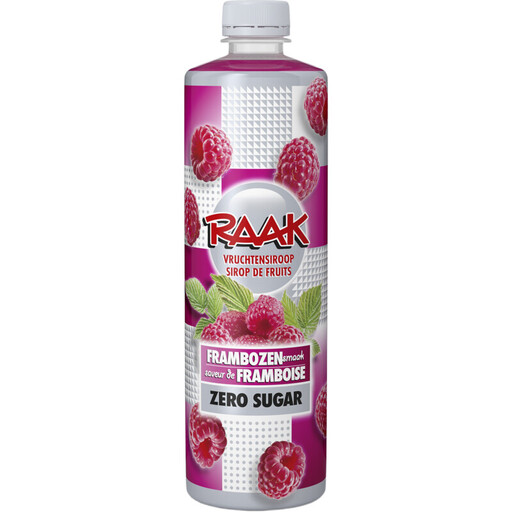
Why This Fits Their Persona: Ideal for daily use in a busy household. The large bottle is budget-friendly, and the sugar-free formula is a conscious choice for parents looking to limit their children's sugar intake.
This product bypasses the "price-per-sip trap" by offering a very low cost per glass. It's also a clear answer to the "natural sugar bomb," as it explicitly contains 0 grams of sugar.
Highly economical (makes 30 glasses). Completely sugar-free and low-calorie. A trusted, classic flavour.
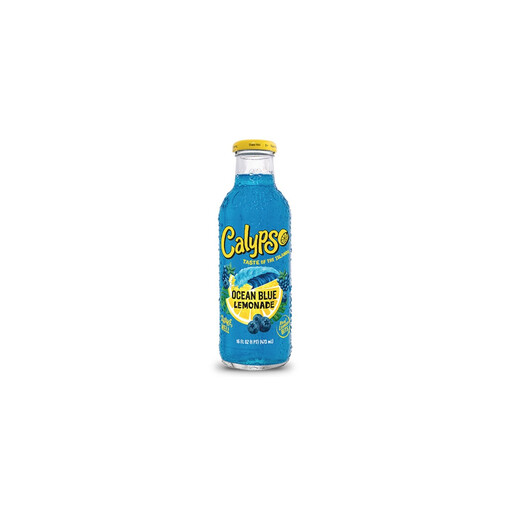
Why This Fits Their Persona: For those looking for something new and unique. This American soda is popular on social media and offers a flavour combination (lemon, blueberry, raspberry) you won't easily find in the supermarket.
This is a deliberate choice for flavour over price. You accept the "price-per-sip trap" in exchange for a unique experience. It's a treat, not a daily thirst quencher.
Unique, tropical flavour combination. Eye-catching appearance and a well-known import brand. Made with real lemon juice and natural flavours.
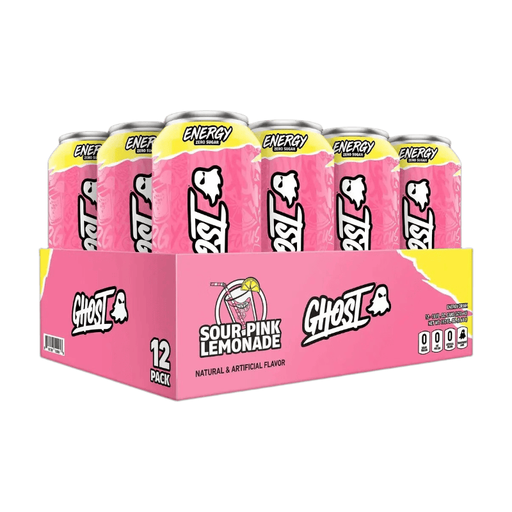
Why This Fits Their Persona: Suitable for athletes or anyone seeking a functional boost before a workout or a busy day. The focus is on performance-supporting ingredients without the sugar crash.
This product is transparent about its "energy promise." The manufacturer specifies the exact amount of natural caffeine (200 mg) and other active ingredients, so you know what you're consuming.
Completely sugar-free. Contains a high dose of caffeine for energy. According to the manufacturer, functional ingredients have been added for focus and metabolism.
Finding the right drink is a matter of matching your needs with what's on the label. Whether you're looking for value, flavour, or function, there's always a suitable choice.
1. How long does lemonade syrup last after opening? Once opened, it's best to store a bottle of lemonade syrup in the refrigerator. Most syrups will then stay good for several weeks to a month. The flavour may diminish slightly over time. Always check the manufacturer's label for specific advice.
2. What is the difference between 'zero sugar' and 'light' soft drinks? 'Zero sugar' or sugar-free syrup means the product contains virtually no sugar (usually less than 0.5 grams per 100 ml) and is sweetened with alternative sweeteners. 'Light' indicates that the product contains at least 30% less sugar than the regular version, but it can still contain a significant amount of sugar. The nutritional information table provides the definitive answer.
3. Are American sodas sold in Europe different from those in the US? Sometimes. The formulas of imported drinks may be adjusted to comply with EU regulations. This can relate to the use of certain colourings or sweeteners. The core flavour is usually the same, but slight differences in the ingredients list are possible.
