
Vandaag of morgen in huis

Kwaliteit gegarandeerd

Welkomstaanbiedingen ontgrendelen: GRATIS bezorging | Tot 80% korting | Gratis 30 dagen JoyPlus-proefperiode
Download de app
Soft baby wipes may seem straightforward, but the difference between a useful purchase and money wasted often comes down to the details. Parents use wipes when changing nappies, after feeding, at bath time and when out and about. A wipe that frays, absorbs too little moisture or contains unnecessary fragrances can quickly become impractical.
Look out for these three common pitfalls:
For everyday care, 100% cotton baby wipes are a practical choice if you’re looking for reusable cloths. Cotton is washable and suitable for a range of uses, such as drying, cleaning up spills or wiping away dribbles.
Products made from cellulose or other plant-based fibres are generally intended for single use. Always check the packaging and put used wipes in your general waste bin. Even wipes made with biodegradable fibres must not be flushed down the toilet.
If you want to avoid unnecessary additives, consider fragrance-free baby wipes. Also check the ingredients list. Perfume, alcohol, colourants and certain preservatives may not suit every child. If your baby has sensitive skin, it’s a good idea to test the product on a small area of skin first and stop using it if irritation occurs.
A thin wipe may be enough for hands or faces, but less suitable for a bigger clean-up. For wet wipes, the combination of fibre, moisture and strength matters. A thicker wipe may be less likely to tear during a nappy change, but it also takes up more room in your changing bag.
For reusable cloths, the number of layers and the size are useful things to check. According to the product description, a six-layer cloth absorbs more than a single thin wipe. That doesn’t mean every product will perform in the same way: washing instructions, fabric and drying time also make a difference.
Small cloths measuring around 25 × 50 cm are handy for faces, hands and dribbles. A large cloth or baby bath towel measuring 70 × 140 cm is more suitable after bath time. Check in advance that you have enough space to wash and dry the cloths.
Follow the care label carefully. According to the product information, the cloths can be washed at 40 °C. Bleaching, dry cleaning and tumble drying are not recommended, to help limit shrinkage. Ideally, wash new cloths before their first use and check for loose threads after every wash.
There isn’t one cloth for every situation. A combination of reusable cloths at home and fragrance-free disposable wipes when you’re out and about may be more practical than using one product for everything. Here are some options based on the stated materials, sizes, pack contents and usage information.
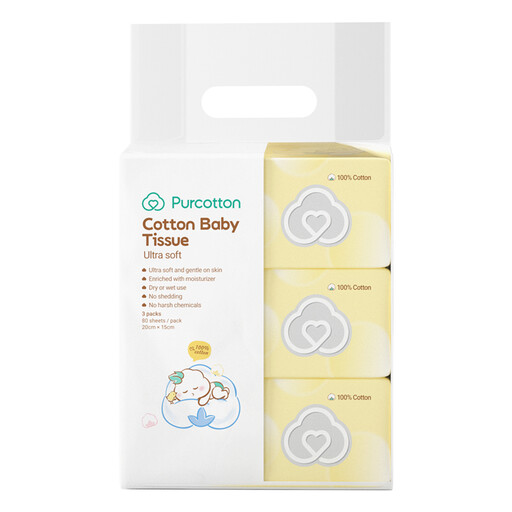
Why it suits this profile: The pack contains 240 sheets across three packs. According to the product information, they can be used dry or wet, so you won’t need several different types of wipes at home.
The product information states that they’re made from 100% cotton and contain no perfume, alcohol, fluorescent whitening agents or fabric softener. Check the current packaging for the full ingredient information.
Suitable for dry or wet use; 240 sheets; OEKO-TEX STANDARD 100-certified, according to the product information.
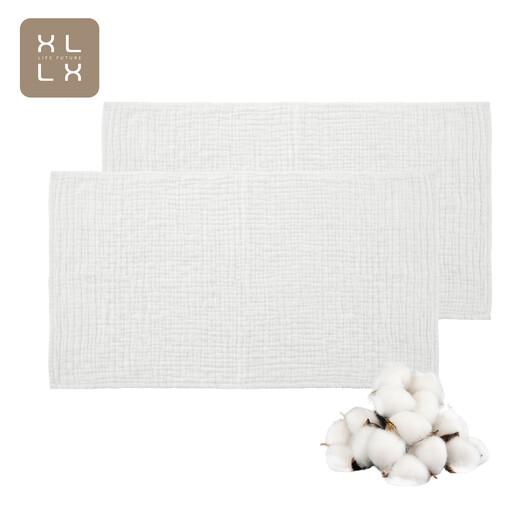
Why it suits this profile: This set is designed for bath time and drying. According to the product information, the two cotton cloths have six layers and measure 70 × 140 cm.
The dimensions and material composition are clearly stated. This means you can decide in advance whether a large bath towel will suit your drying space and laundry routine.
100% cotton; six-layer design according to the product description; two large cloths measuring 70 × 140 cm.

Why it suits this profile: The pack contains 3 packs of 80 wipes, making it suitable for nappy changes when you’re out and about, at nursery or as a regular supply at home.
The product information states that the wipes contain 99% purified water, are fragrance-free and are made from plastic-free plant fibres. They’re for single use and must not be flushed down the toilet.
240 wet wipes; fragrance-free according to the product information; OEKO-TEX certification, number 25.HUS.21538 Hohenstein.
We’ve put together a complete, up-to-date list of products that meet these strict selection criteria and the applicable European safety regulations.
Cotton can be a practical choice because it’s washable, and some varieties contain no perfume. However, suitability varies from child to child and from product to product. Check the material composition, wash the cloth before use and, if in doubt, test it on a small area of skin first.
Their lifespan depends on the quality of the fibres, how often you wash them and how you care for them. Follow the label, avoid products that could damage the material and replace a cloth as soon as it becomes thin, damaged or permanently discoloured.
It depends on how you use them. Washable cloths require an initial investment and extra laundry, while disposable wipes cost money each time you change your baby and create waste. A combination works well for many families: reusable cloths at home and fragrance-free baby wipes when you’re out and about.
