
Same-day & Next-day Delivery

Quality Guaranteed

Unlock Your Welcome Offers: FREE Delivery | Up to 80% OFF | Free 30-day JoyPlus trial
Download the APP
Buying soup may seem straightforward, but instant soup, ready-to-eat soup, tinned soup and soup in pouches can be very different, even if the packaging doesn’t make that obvious. As a Joybuy Product Recommendation Officer, I focus on practical details: portion size, preparation, storage, ingredients and allergens.
An appealing claim on the front of the pack doesn’t always tell you everything you need to know. A pouch of soup, for example, may contain two portions, while a small sachet may make just one cup. Terms such as “rich in vegetables”, “a source of fibre” or “no artificial colourings” don’t automatically tell you how much protein or salt the product contains, or whether it includes allergens.
A 570 ml pack often contains two 285 ml portions. An 800 ml tin is usually enough for around three bowls. Instant soup, on the other hand, may come in several small sachets, each making around 100 ml per portion.
So don’t just compare the price per pack. Also check:
A small portion may be enough for a quick lunch. For a family meal, tinned soup or a larger pouch may be more practical.
A product may be vegetarian, have a Nutri-Score or claim to contain lots of vegetables. That doesn’t automatically mean it’s low in salt, sugar or fat. Always check the nutritional information per 100 ml and per portion.
For example, according to the product information, Unox Tomato Soup 800 ml contains 216 grams of vegetables per bowl. The ingredients list also includes tomato, onion, leek, vermicelli and meatballs. This makes it different from a vegan tomato soup, even if the product names sound similar.
Unopened ambient soup in a tin or pouch can usually be stored in a cool, dry place. Chilled or frozen products need more care. Rengi Korean Kimchi Soup, for example, is a frozen product and must be kept cold during storage and delivery.
For every purchase, check the current packaging for:
Product descriptions can change, so the information on the label of the product you receive is the one to follow.
The preparation method matters when you want a quick meal. Maggi Chicken Soup comes in portion sachets to which you add hot water. According to the product information, Saitaku Miso Soup needs 160 ml of boiling water per portion. That makes it handy at work, in student accommodation or when travelling.
With ready-to-eat soup, you usually just need to heat it up. Unox soups in pouches, for example, can be prepared in a saucepan or microwave. Heat the soup according to the label, and always pour soup from a pouch into a suitable saucepan or microwave-safe bowl first.
Instant soup is quick to make, but often contains fewer solid ingredients. If you’re looking for a more filling meal, ready-to-eat soup with pulses, vegetables, pasta or meat may be a better choice.
Choose the packaging to suit how you’ll use it:
Bear in mind that “two bowls” or “three bowls” is only an indication from the product. The amount you serve will determine how many portions you get from the pack.
If you’re looking for vegetarian or vegan soup, don’t rely on the name alone. The product information describes Unox Spicy Tomato Soup as suitable for vegans and vegetarians. Unox Creamy Tomato Soup is vegetarian, but contains milk and gluten. According to its ingredients list, Rengi Korean Kimchi Soup contains soya and wheat, among other ingredients.
If you enjoy food from around the world, there are plenty of flavours to choose from:
When a product is labelled “organic”, look for the official certification mark and check the product information. The Smallest Soup Factory Beef Broth states that ingredients marked with an asterisk are organic. According to the manufacturer’s product information, the broth is simmered for 96 hours. This is the brand’s product description, not a guarantee that you’ll personally enjoy the taste.
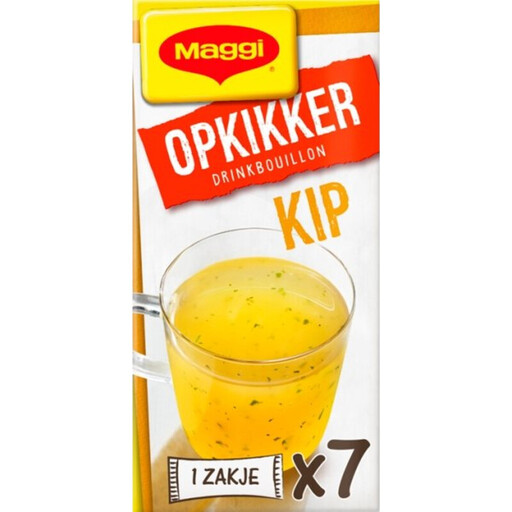
Why it suits this profile: Seven 100 ml portions are easy to store and prepare with hot water.
The individual sachets make it clear how many cups you’ll get. Do check the listed allergens, including wheat and celery.
Seven sachets, quick to prepare and, according to the product information, 9 kcal per portion.

Why it suits this profile: An organic beef broth for anyone who cares about provenance, ingredients and a smaller pack size.
The ingredients list and organic description give you more to go on than a flavour claim alone. The product does contain celery.
400 ml, made with organic ingredients according to the product information, and produced in Groningen.
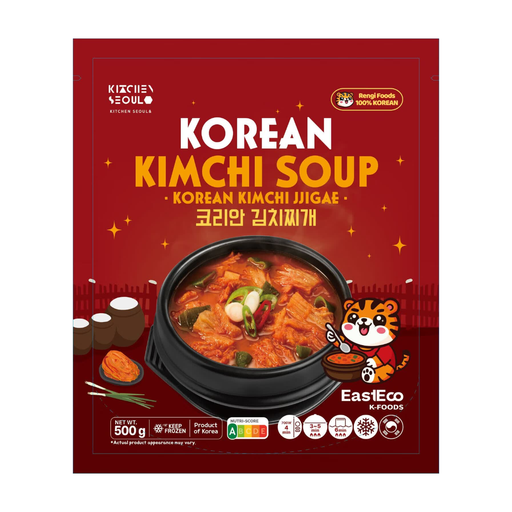
Why it suits this profile: For fans of spicy Korean flavours looking for a frozen meal to enjoy at home.
The packaging lists the nutritional information and ingredients. Bear in mind that it needs to be kept frozen and contains soya, wheat and flavour enhancers.
500 g, with kimchi as a key ingredient and a clearly spicy flavour profile.
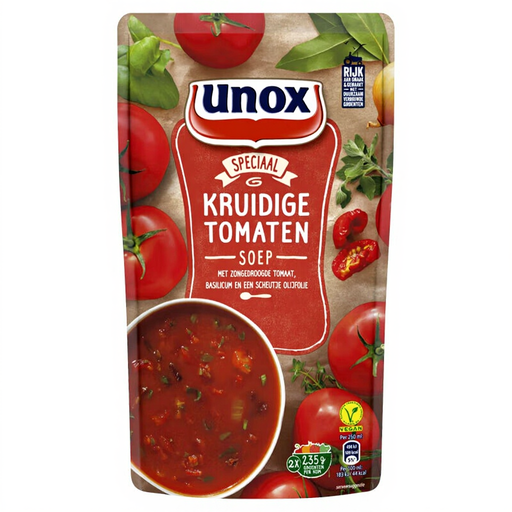
Why it suits this profile: A quick tomato soup for anyone looking for a plant-based option with a gently spicy flavour.
The product information describes it as vegan and vegetarian, but also lists celery and mustard. Check the label if you have allergies.
570 ml, two portions and, according to the product information, 87% tomato in the ingredient base.
We’ve put together a complete, up-to-date list of products that meet these strict selection criteria and the applicable European safety regulations.
Ready-to-eat soup in a pouch or tin is usually practical: you just need to heat it up. If you’re hungrier, choose a variety with pulses, potato, pasta, meat or extra vegetables. Instant soup is best suited to a light lunch or snack.
Unopened tinned soup can generally be stored for a long time, but always check the date and storage instructions on the packaging. Don’t use a tin if it is swollen, leaking or badly damaged. After opening, store leftovers according to the label, usually covered and chilled.
Check both the ingredients list and the allergen information. Vegetarian soup may contain milk, while a vegan product may contain soya, wheat, celery or mustard. Also check the portion size, salt content and amount of vegetables per 100 ml.
