
Vandaag of morgen in huis

Kwaliteit gegarandeerd

Welkomstaanbiedingen ontgrendelen: GRATIS bezorging | Tot 80% korting | Gratis 30 dagen JoyPlus-proefperiode
Download de app
A pair of socks seems like a simple purchase, until a few washes leave you with a sagging cuff, thin patches around the heel or a size that feels tight inside your shoe. When comparing socks online, you will also come across terms such as “breathable”, “antibacterial” and “sporty”, without it always being clear exactly what you are getting.
This practical buying guide helps you compare sports socks, trainer socks, sneaker socks, ankle socks, men’s socks, women’s socks and unisex socks based on measurable features. That way, you can make a more informed choice for everyday wear, work, training or outdoor activities.
A sock multipack can offer great value, but only if the length and cuff work with your shoes. Trainer socks that sit just above the ankle provide more coverage than low-cut sneaker socks. The latter are designed to sit discreetly inside low shoes.
So check:
Cotton socks feel familiar and comfortable to many people, but cotton is not automatically suitable for every situation. A cotton blend with polyester and elastane may hold its shape better. Bamboo socks are often chosen for their soft feel and fluid drape, but always check the full composition on the product label.
The same applies to woollen styles. Merino wool ski socks can combine warmth and cushioning, but they are thicker than ordinary ankle socks. As a result, they will not fit in every shoe.
Words such as “antibacterial”, “odour-free” or “supportive” are not a reason to overlook other specifications. According to information provided by the brand or seller, these features may come from product descriptions; they do not automatically guarantee a fixed result for every user.
Pay particular attention to concrete details such as:
For the office, commuting and casual outfits, cotton blends are often practical. They offer a familiar feel with elastane for a closer fit. For intensive training, features such as a supportive fit, cushioning and breathable knit are more relevant than simply seeing the word “sport”.
If you are looking for soft, lightweight socks, bamboo viscose may be worth considering. If you need warmth for skiing or snowboarding, compare the thickness, length and composition of merino wool ski socks. Compression socks require extra care: check the compression class and follow the product information. Do not use these socks as a substitute for medical advice.
Socks are often sold in broad size groups, such as 35-38, 39-42 or 43-46. A broad range can be convenient for unisex socks, but the fit also depends on the elasticity and shape of the foot.
A sock that is too small can put pressure on the toes and heel. A sock that is too large can crease, causing friction inside the shoe. Compare the size with your usual shoe size and, if in doubt, check the size chart for the specific product.
A smooth toe seam, elastic cuff and reinforced heel can all affect comfort. For sports socks, targeted cushioning can be useful during training. For everyday wear, washability and shape retention are often more important.
Follow the care label. According to the product description, the FILA models mentioned are suitable for machine washing at 40 °C and can be tumble-dried at a low temperature. According to the product information, the OutdoorMaster model should be washed in cold water and air-dried to help preserve the wool and elasticity.
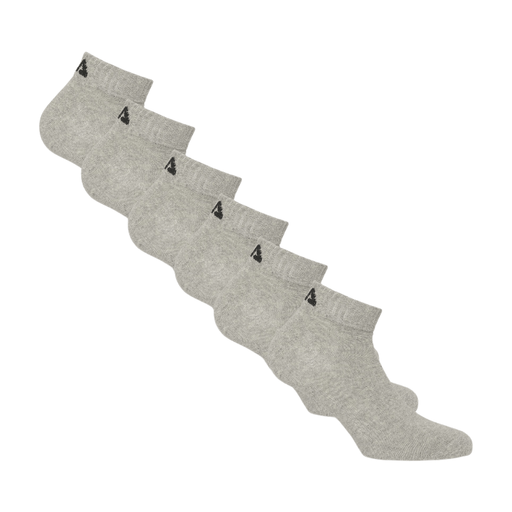
Why it suits this profile: The neutral grey colour and six pairs make this model a practical everyday essential for casual outfits and light training.
The product information states the size as 43-46, describes a cotton blend and specifies a style that sits just above the ankle. This makes the key buying details clear in advance.
6 pairs; grey colour; cotton, polyester and elastane; machine washable at 40 °C according to the product description.
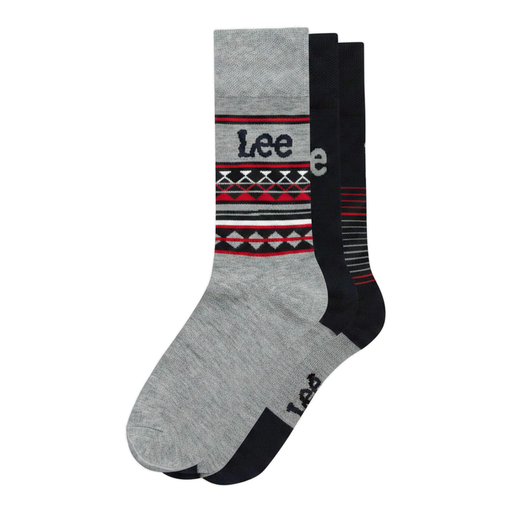
Why it suits this profile: The gift box contains three pairs in different styles, making it ideal for the office, casual wear or as a ready-made present.
The set states the number of pairs, size and colour combination. However, check the composition on the current label: the product text refers both to a bamboo viscose blend and to a composition containing cotton.
3 pairs; navy and grey tones; suitable for casual and semi-formal outfits; supplied in a gift box.
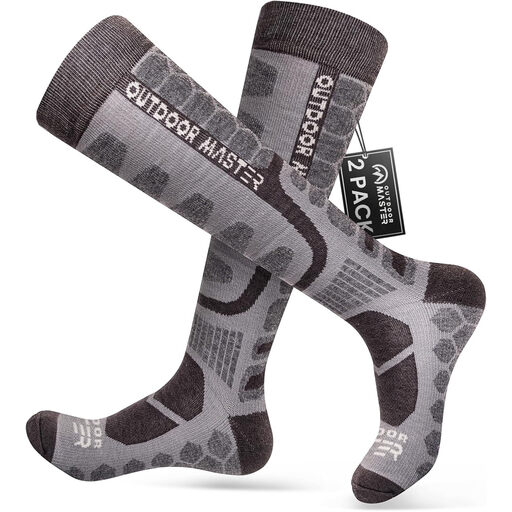
Why it suits this profile: This high-cut model is designed for skiing and snowboarding, with a merino wool blend, targeted cushioning and compression zones according to the product description.
The specifications state the material, size M, calf-length design and intended use for skiing. It is therefore clear that this is not a thin sock for low-cut trainers.
2 pairs; 30% merino wool according to the listing; targeted cushioning; non-slip cuff; wash cold and air-dry.
We have put together a complete, up-to-date list of products that fully meet these strict selection criteria and the applicable European safety regulations.
This depends on how often you wear them, your washing routine and the condition of the fabric. Replace socks when the heel or toe starts to thin, the cuff no longer fits snugly or permanent creases appear. Rotating several pairs can extend the usable life of each pair, but it does not guarantee a fixed lifespan.
Cotton socks can be suitable for light training and everyday wear. For more intensive activities, the fit, moisture management, cushioning and ability to stay in place are more important than cotton alone. So compare the full material composition and construction.
Trainer socks generally sit just above the ankle and provide more coverage. Sneaker socks are cut lower and designed to be less visible in low-cut shoes. The exact height varies by model, so always check the product image and description before buying.
