
Livraison le jour même et le lendemain

Qualité garantie

Débloquez vos offres de bienvenue: Livraison GRATUITE | Jusqu'à -80 % | 30 jours d'essai gratuits à JoyPlus
Téléchargez l'application
Soba noodles, the thin Japanese noodles made from buckwheat, are rapidly gaining popularity in kitchens worldwide. They are versatile, have a distinctive nutty flavour, and fit well into a health-conscious lifestyle. But anyone searching online for "buy soba noodles" will quickly notice that the selection is overwhelming and the labels can be confusing.
As a Joybuy Product Recommendation Officer, I see the challenges consumers face every day. Many packages are labelled 'soba', but their contents vary enormously. Before you make a choice, it's wise to be aware of a few common pitfalls.
To make a good choice, you don't need to be an ingredient expert. By paying attention to two key specifications, you can easily filter the selection and find the right dried soba noodles for your meal.
The percentage of buckwheat flour is the most important factor for taste and texture.
Besides buckwheat and wheat, other ingredients may be added that affect the texture and flavour.
Based on these criteria, we have made a selection that suits different home cooks and preferences.
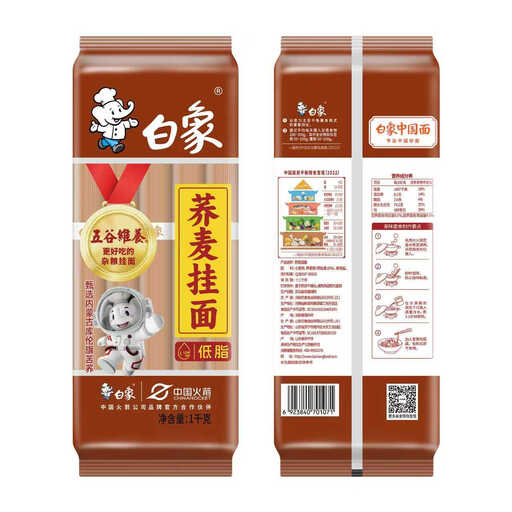
Why This Fits Their Persona: Ideal for those trying soba for the first time or for large families. The 1 kg family size is economical, and the noodles are versatile enough for soups, salads, and stir-fries.
With 10% buckwheat flour, it offers a subtle introduction to the flavour without being overpowering. The firm texture from the high wheat content makes cooking easy and prevents mushy noodles.
Large, economical package (1 kg). Smooth and elastic texture that holds up well in various dishes.
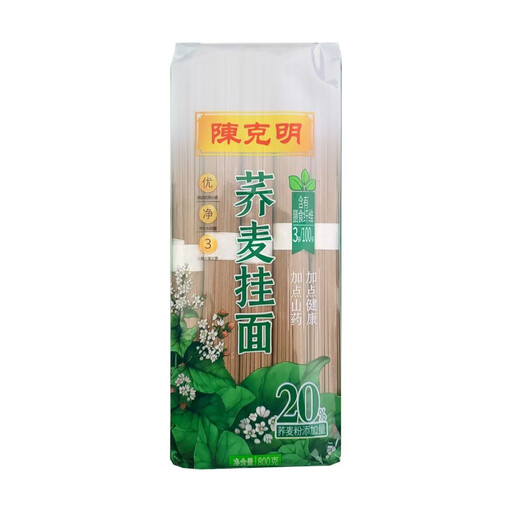
Why This Fits Their Persona: For the cook seeking the deep, nutty, and earthy flavour characteristic of traditional soba. Perfect for cold noodle dishes (zaru soba) where the noodle's flavour is the main focus.
This product completely bypasses the 'buckwheat bluff' with a buckwheat content of ≥50%. This guarantees an authentic taste experience not found in low-percentage noodles.
Very high buckwheat content for a rich, complex flavour. The addition of yam powder (3%) provides an extra-firm, smooth texture.
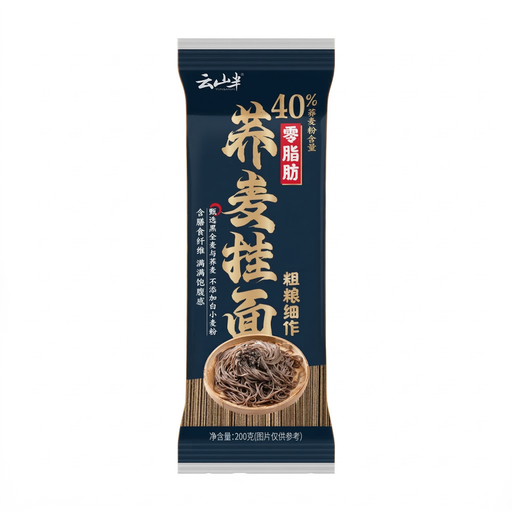
Why This Fits Their Persona: These noodles are an excellent choice for anyone looking for healthy noodles. They fit perfectly into a low-fat diet without compromising on taste or nutritional value.
With 40% buckwheat flour, this is a nutritious option. The product name highlights "0 Fat," which is confirmed by the nutritional facts on the package. This isn't a marketing bluff, but a verifiable fact.
High buckwheat content (40%) and fat-free (0 g of fat per 100 g). Rich in dietary fibre and a source of protein (11.5 g per 100 g).
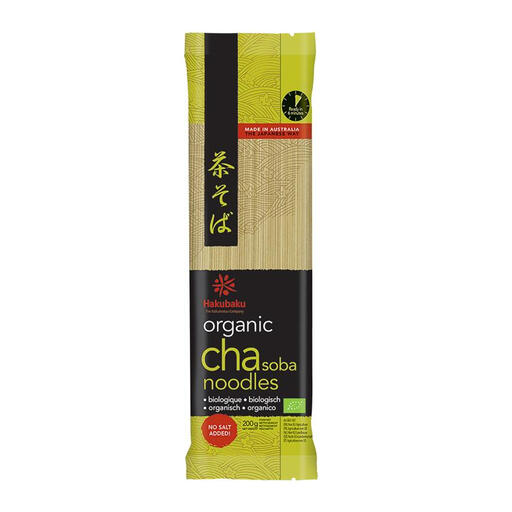
Why This Fits Their Persona: For the adventurous eater who wants something different from standard soba. These cha soba noodles are enriched with green tea, offering a unique, refined flavour and a beautiful light green colour.
This product is transparent about its composition. With 2% green tea powder and only 1% buckwheat flour, it's clear the focus is on the tea flavour, not the buckwheat. You know exactly what you're buying.
Unique flavour from the addition of real green tea. Visually appealing for special dishes. Ideal for cold noodle salads in the summer.
We have compiled a complete, up-to-date list of products that fully meet these strict selection criteria and current regulations.
Sticky soba is a common problem but easy to prevent. The key is to use a large pot with plenty of boiling water. Add the noodles and stir gently for the first minute to prevent them from sticking together. Cook them according to the package directions, but taste them a minute before the time is up to check if they are al dente. Drain them immediately and, this is the most crucial step, rinse them thoroughly under cold running water. Keep moving the noodles with your hands or chopsticks until all the starch is washed away and the noodles are cold. Even if you plan to serve them warm, this step helps prevent sticking.
Generally, no. Although buckwheat is naturally gluten-free, most soba noodles contain a significant amount of wheat flour to make them elastic and firm. Noodles made from 100% buckwheat (known in Japan as Juwari Soba) are gluten-free, but they are rare, more expensive, and much trickier to prepare as they are very fragile. Always check the ingredient list on the package if you have a gluten intolerance. All of the products mentioned above contain wheat and therefore gluten.
Although both fall under the umbrella of Asian noodles, there are differences. Traditional Japanese noodles (soba) are made primarily from buckwheat and wheat and are eaten both hot and cold. Korean buckwheat noodles (known as naengmyeon or makguksu) often contain other starches as well, such as sweet potato or arrowroot starch. This gives them a much tougher and chewier texture. They are served almost exclusively in cold dishes, often in an ice-cold broth.
