
Vandaag of morgen in huis

Kwaliteit gegarandeerd

Welkomstaanbiedingen ontgrendelen: GRATIS bezorging | Tot 80% korting | Gratis 30 dagen JoyPlus-proefperiode
Download de app
Buying snacks online may seem simple, but attractive packaging doesn’t always tell the whole story. If you focus only on terms such as “low sugar”, “high in fibre” or “high in protein”, you could still choose a product that doesn’t suit how you plan to use it, your allergies or your budget.
Use this practical checklist to focus on information you can verify: nutritional values, portion size, ingredients, allergens and shelf life. That way, you can find healthy snacks, high-protein snacks, biscuits, nuts, sweets and snacks for on the go without being swayed by marketing language.
A product with no sugar may contain sweeteners such as maltitol, sorbitol, xylitol or aspartame. Several products in this selection warn that excessive consumption may have a laxative effect. So, as well as checking the sugar content, look at the amount of polyols and the full ingredients list.
Portion size also matters with sugar-free sweets, chewing gum and mints. A large pack may seem like good value, but it can make it easier to eat more than you realise.
A protein bar containing 16 to 21 grams of protein per bar may suit an active lifestyle or work as a post-workout snack. That doesn’t automatically mean it’s low in calories, fat or sweeteners.
Compare:
Biscuits, cereal bars and crispbread snacks may contain fibre, but they can also contain sugar, salt or saturated fat. A product claim usually tells you about just one feature. Always check the nutritional table and ingredients list.
The per-100-gram table is useful for making a fair comparison between products. Information per item or portion tells you what you’ll actually be consuming. A 55-gram protein bar containing 20 grams of protein is quite different in use from a 500-gram bag of nuts.
Examples from the range:
These figures show why terms such as “healthy”, “light” or “better for you” are no substitute for checking the full table.
When buying peanuts and nuts, always check whether the product contains peanuts, almonds or other nuts. Look out for warnings such as “may contain” too. Protein bars often contain milk and soya; some varieties also contain gluten, collagen or gelatine.
If you have an allergy, it’s a good idea to check the packaging again. Ingredients can change, so always follow the information on the current packaging.
As a general rule, store dry snacks in a cool, dry place away from direct sunlight. Seal opened bags tightly to help keep their crunch and flavour. Check the best-before date on the packaging. Don’t use a product if its packaging is damaged.
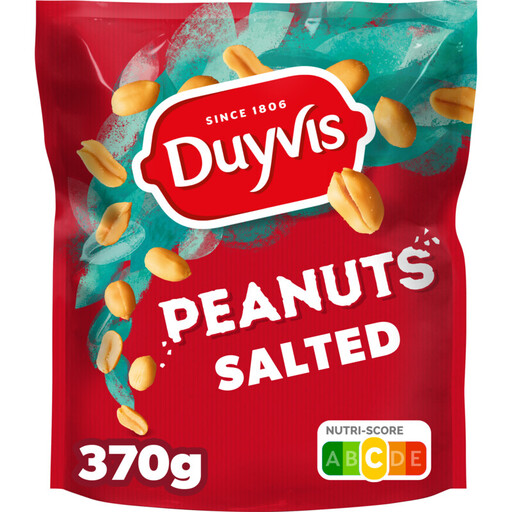
Why it suits this profile: A familiar savoury snack in a medium-sized pack for home, the office or sharing. The nutritional values and ingredients are clearly listed.
The product information lists not only protein and fibre, but also 52 g of fat, 6.9 g of sugar and 0.73 g of salt per 100 g. This gives you a more realistic picture of the snack.
370 g pack; 26 g of protein and 6.8 g of fibre per 100 g according to the product information.
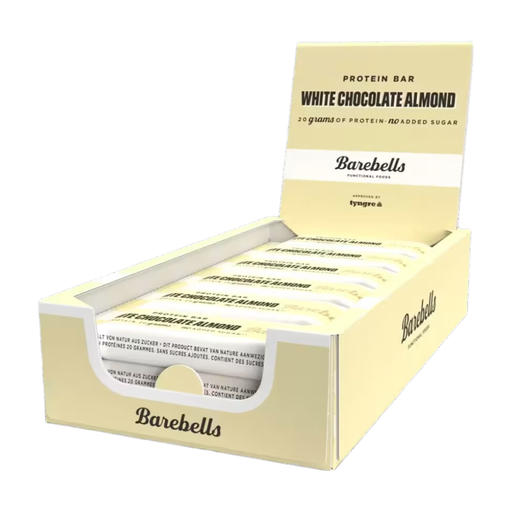
Why it suits this profile: A good choice if you like to plan portions in advance and want a high-protein snack for on the go, between meals or after exercise.
As well as 20 g of protein, the bar contains 204 kcal, 1.3 g of sugar, 4 g of fibre and 5 g of polyols per bar. This helps you see what the claim means in practice.
12 individually wrapped bars; 20 g of protein and 1.3 g of sugar per bar according to the product information.

Why it suits this profile: An option for adults looking for a rich chocolate flavour and a fixed portion during a busy working day, while travelling or around a workout.
The product information lists 21 g of protein, but also 19 g of polyols per bar. This helps shoppers avoid mistaking “low sugar” for a product with no other sweeteners.
12 bars of 60 g; 21 g of protein and 1.5 g of sugar per bar according to the stated product values.
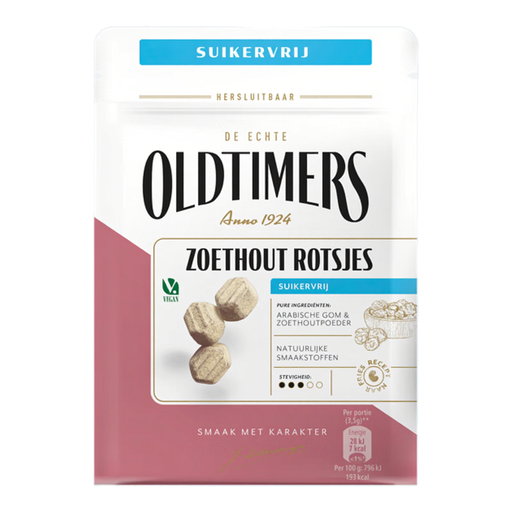
Why it suits this profile: For anyone who enjoys liquorice and is specifically looking for a sugar-free option according to the product information.
The ingredients list names maltitol as a sweetener. This makes it clear that “sugar-free” doesn’t mean “free from sweeteners”.
100 g pack; 0 g of sugar and 30.3 g of fibre per 100 g according to the product information.
We’ve put together a full, up-to-date list of products that meet these strict selection criteria and current European safety regulations.
Individually wrapped products are practical and stay protected from moisture and damage for longer. Options include protein bars, cereal bars, chewing gum or Wasa Cheese Sandwich. Check in advance whether the snack can withstand heat, especially if you’re keeping it in a bag or car.
No. Protein bars vary widely in calories, fat, sugar, fibre and sweeteners. Compare the values per bar and read the allergen information. Think of a protein bar as a snack within a varied diet, not as a replacement for regular meals.
Check whether the product contains sweeteners or polyols, and read the warnings on the packaging. For example, maltitol is listed in the ingredients for Oldtimers Sugar-Free Liquorice Rocks. If you have any known allergies or intolerances, always refer to the current packaging.
