
Vandaag of morgen in huis

Kwaliteit gegarandeerd

Welkomstaanbiedingen ontgrendelen: GRATIS bezorging | Tot 80% korting | Gratis 30 dagen JoyPlus-proefperiode
Download de app
In the Netherlands, a pair of sneakers often needs to handle several different activities: cycling to work, walking through town, working out at the gym or getting through a school day full of running and playing. Yet it is not always clear which model is right for the job. A low-profile casual sneaker is not automatically suitable for running, and a soft insole says little about the fit in the long term.
The following pitfalls are common:
Measure both feet at the end of the day while wearing the socks you normally use. Compare the longer foot with the size chart for the specific model. Also pay attention to the shape of the toe box and the shoe width.
Lace-up fastenings allow for small adjustments. Velcro sneakers are practical for children who want to get dressed independently. A slip-on model is quick to put on, but should fit securely around the heel and instep. Too much room can cause your foot to slide; too little room can become uncomfortable when walking or exercising.
Look at three components:
Cushioned sneakers are worth considering if you spend a lot of time standing or walking. For running, additional features are important, such as a suitable fit, sufficient stability and a sole suited to the terrain. Salomon trail running shoes, for example, are designed for gravel and mixed surfaces, while retro models such as Adidas sneakers mainly offer a combination of everyday practicality and a sporty look.
Textile and mesh can feel more breathable than fully synthetic materials. Synthetic leather is generally easy to clean with a damp cloth. Always check the care instructions: some sneakers are not machine washable and should only be allowed to dry naturally.
The construction matters too. A reinforced heel, padded collar and sturdy lace eyelets can all be relevant for everyday use. For children’s sneakers, a flexible sole, a secure upper and easy care are practical for school and play.
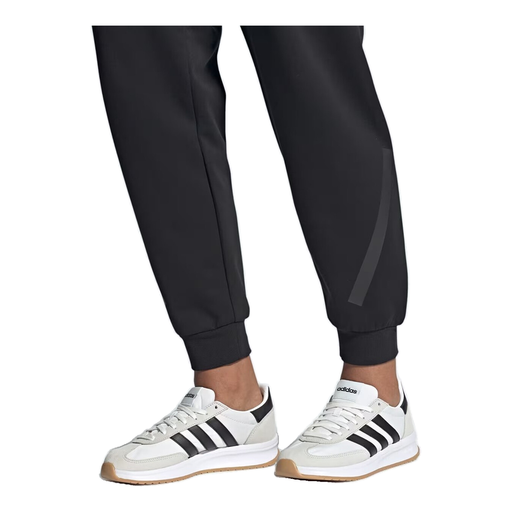
Why it suits this profile: This model combines a retro-inspired design with a synthetic leather and textile upper. It is therefore suitable for everyday wear, light walks and casual outfits.
The product information specifies the materials, rubber outsole, flexible construction and a foot length of 25.5 cm for EU 40. You therefore do not have to rely on style claims alone.
Textile lining, flexible rubber sole and care with a damp cloth. According to the product information, the model fits true to size.
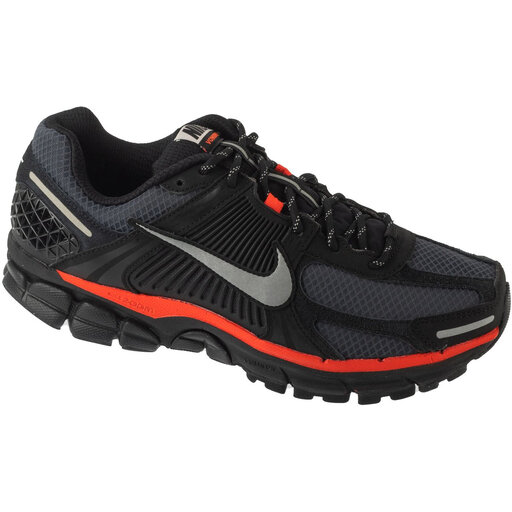
Why it suits this profile: The combination of mesh, synthetic reinforcements, a padded collar and Zoom Air units is designed to provide a sporty feel underfoot and everyday comfort.
The construction includes verifiable components: mesh, synthetic overlays, a foam sole with Zoom Air and a rubber waffle outsole. This makes the intended use clearer than a general comfort claim.
Breathable mesh, synthetic reinforcements and a rubber outsole with a waffle tread. The model is listed in size 44.5.
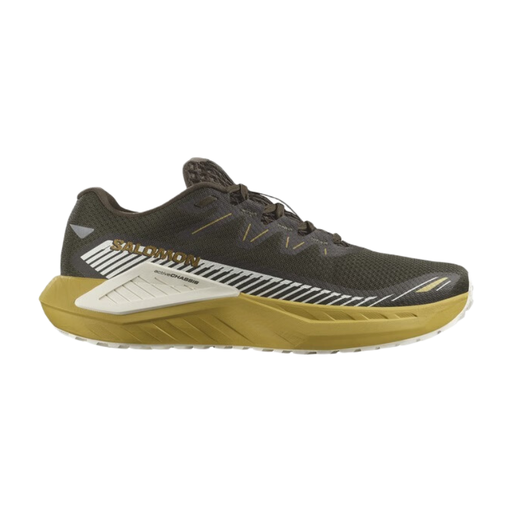
Why it suits this profile: According to the product description, this model is intended for running and outdoor activities on gravel and mixed surfaces. The stated Active Chassis construction and Contagrip outsole are suited to this type of use.
The intended use is clearly described. Do not choose this type for its appearance alone, but primarily if you regularly run on gravel, woodland paths or other mixed terrain.
Energy Foam midsole, mesh upper and All Terrain Contagrip rubber outsole according to the product details. The colour is black, grey and green.
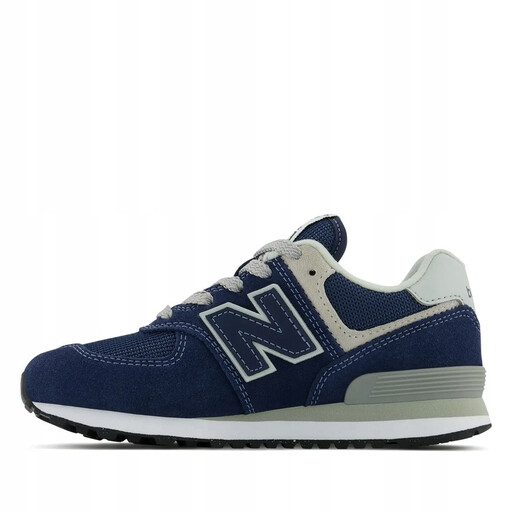
Why it suits this profile: These children’s sneakers have a Velcro fastening and are intended for school, play and everyday use. Their low-profile shape makes them practical for children who put their shoes on independently.
The fastening, materials and sole are clearly specified. This allows you to check in advance whether the pair suits your child’s independence and the surfaces they will be wearing it on.
Suede, synthetic material and textile mesh; EVA midsole; rubber profiled outsole and Velcro fastening. The model is listed in size 28.5.
We have put together a complete, up-to-date list of products that fully meet these strict selection criteria and the applicable European safety regulations.
For everyday commuting, lightweight men’s sneakers with a regular fit, flexible sole and easy care are often a practical choice. If you mainly go on long walks, look for a profiled outsole, a padded collar and a more cushioned sole. For running, choose sports shoes that are explicitly designed for running; a casual sneaker may lack the construction and grip needed for the activity.
Brands such as Skechers sneakers often highlight Memory Foam, slip-on constructions or a comfortable fit in their product information. Adidas sneakers and Nike sneakers offer models influenced by both retro styles and running shoes. New Balance sneakers range from children’s shoes with Velcro fastenings to models with mesh and EVA or ABZORB cushioning. So compare the model, not just the brand.
Their lifespan depends on use, body weight, the surface, care and materials. Check the sole for worn tread, cracks and a midsole that has collapsed unevenly. Allow wet sneakers to dry naturally and, where possible, alternate between two pairs. The statutory guarantee in the EU is generally at least two years, but this does not mean that normal wear and tear is automatically covered by the guarantee.
Only if the product information states that the model is suitable for running. Running shoes are designed with features such as cushioning, stability and a suitable outsole. Casual sneakers and retro models can be perfectly suitable for walking or everyday use, but are not necessarily suitable for regular running training.
According to the product description, a Memory Foam insole may feel especially soft. However, the experience varies from person to person and depends on the fit. You should therefore also check the shoe width, the amount of room around the toes, the support around the heel and whether the insole is removable. Wear new sneakers briefly at home before using them for a full day.
