
Vandaag of morgen in huis

Kwaliteit gegarandeerd

Welkomstaanbiedingen ontgrendelen: GRATIS bezorging | Tot 80% korting | Gratis 30 dagen JoyPlus-proefperiode
Download de app
Sneakers are made for almost every situation: from commuting and school to running, fitness and woodland walks. Yet the range is often more complex than it first appears. A shoe may look sporty without being suitable for long distances. Terms such as memory foam, breathable mesh and extra grip only become meaningful once you know how you intend to use the pair.
As a Joybuy Product Recommendation Officer, I filter the most important product information down to practical considerations. This makes it easier to see which men’s sneakers, women’s sneakers, kids’ sneakers, sports shoes or running shoes are best suited to your needs.
A memory foam insole may feel comfortable when trying on a shoe. That does not automatically mean the midsole provides sufficient support or cushioning for running or long walks. Check each element separately:
For everyday sneakers, a comfortable insole may be enough. With running shoes, fit, midsole construction and the running surface matter more than the words “memory foam” alone.
Mesh and textile generally allow more airflow than fully synthetic or leather materials. This is practical for indoor workouts and warm weather. On rainy cycle paths or muddy walking trails, however, standard mesh offers little protection from moisture.
A water-repellent or waterproof construction may feel warmer and often requires specific care. Consider your intended use first: urban routes, the gym, asphalt or unpaved terrain.
“Good grip” is not a universal property. A flat rubber tread can be comfortable on asphalt, while a deeper, more pronounced tread is better suited to woodland paths or mud. Pay attention to:
For wet pavements and light walks, you can also browse our selection of trainers with good grip.
A regular fit does not mean that every shoe fits the same way. Measure both feet at the end of the day and compare the longer foot with the model’s size chart. Width matters too. Many models in this selection come in width D, which is listed as a regular width in the product information.
Do not automatically order a larger size to create extra room. Too much space can cause the heel to slip. The Skechers Relaxed Fit D’Lux Walker, for example, is listed as running large, with a smaller size recommended. This differs from models for which the manufacturer states that the shoe fits true to size.
For everyday wear, a flexible sole and a stable rubber outsole are often practical features. For running on asphalt, cushioning, a suitable fit and a ride that matches your training style are also important. A trail shoe, meanwhile, is designed for a different type of surface.
According to the product description, the Salomon Aero Glide 2 W is intended for running on hard surfaces such as asphalt. The Salomon Supercross 4 GTX W features a Gore-Tex membrane and a more aggressive rubber tread for wet or unpaved conditions, according to the product information. These features mean the two models are not interchangeable.
Mesh, textile, synthetic leather and leather each require different care. Before buying, check whether cleaning with a damp cloth is sufficient and whether machine washing is permitted. Several Skechers models list a wash cycle of up to 30°C, while adidas and Salomon recommend cleaning various models with a damp cloth instead.
Always follow the label and the specific product-care instructions. Not every sneaker with a textile upper can be put in the washing machine.
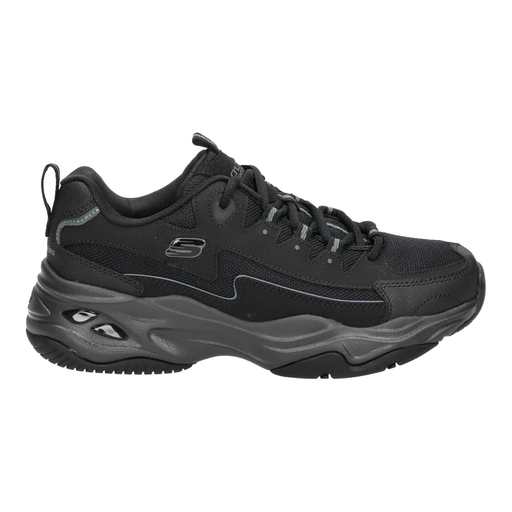
Why it’s a good fit: A casual model for walking and everyday wear, whether you’re running errands, commuting or spending the day in the city.
The product information lists mesh textile, lightly padded lining and a regular fit. Check that these features suit your foot width.
Air-Cooled Memory Foam insole and rubber Goodyear outsole, according to the product description.
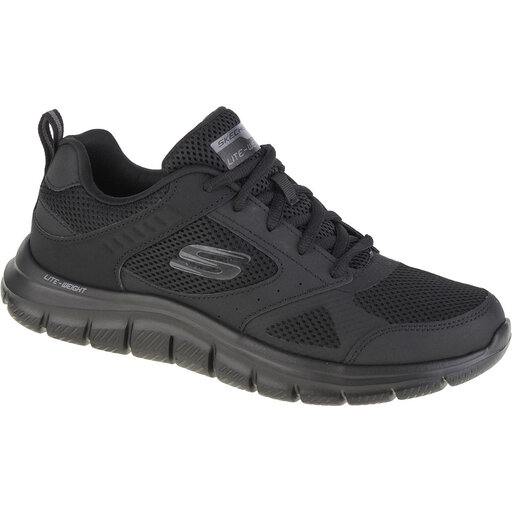
Why it’s a good fit: A men’s model for anyone looking for one pair to cover light training and casual wear.
The model is described as both a sports shoe and a casual sneaker. Do not automatically use it for intensive running training.
Leather and mesh upper, rubber sole and Memory Foam insole, according to the product information.
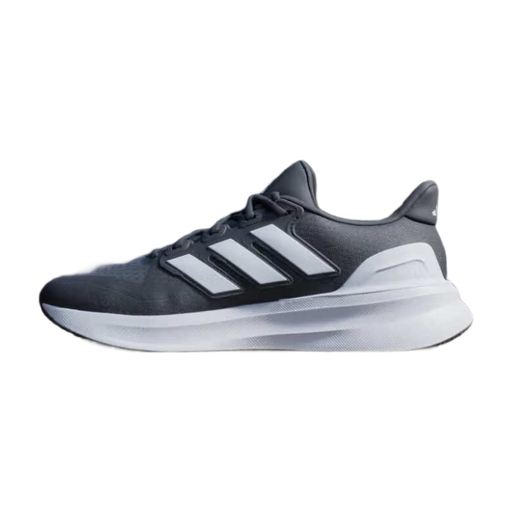
Why it’s a good fit: Designed for running and building endurance on paved routes.
The specifications mention mesh, a Bounce 2.0 midsole and Adiwear rubber. That tells you more than simply calling a shoe “sporty”.
Lightweight Bounce 2.0 cushioning, breathable mesh and an Adiwear outsole designed to enhance grip, according to adidas.
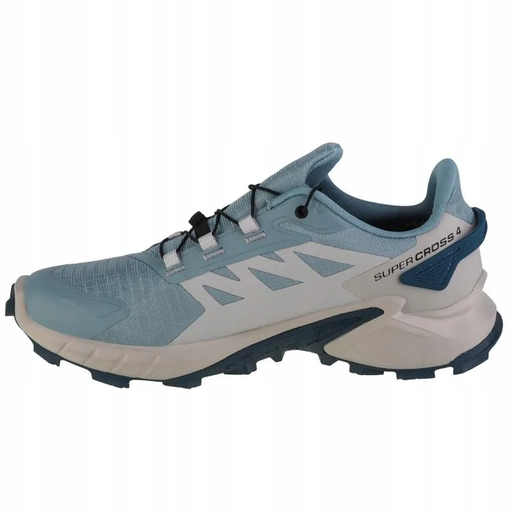
Why it’s a good fit: For women who enjoy unpaved trails, wet grass and walking routes with changing terrain.
According to the product information, this shoe is intended for challenging trails. For asphalt-only use, its tread may be unnecessarily aggressive.
Gore-Tex membrane and a rubber outsole with deep tread, according to the product description.
Explore our current selection of sneakers with practical features such as grip, cushioning and a construction tailored to your intended use.
That depends on usage, body weight, surface, care and the type of shoe. Everyday sneakers can wear out more quickly when they are also used for running. Replace a pair when the outsole becomes visibly smooth or unevenly worn, the heel no longer provides support or the midsole remains permanently compressed.
You can, but it is not always the most practical choice. Running shoes are designed around movement and cushioning, while a casual sneaker may offer a firmer, more versatile option for everyday wear. For longer runs, ideally choose a model whose product information specifies the relevant running surface and intended use.
These features serve different purposes. Memory foam is usually found in the insole and mainly affects the initial feeling of comfort. A rubber sole primarily determines contact with the ground, durability and grip. Rather than focusing on a single term, consider the combination of fit, midsole, insole and outsole.
